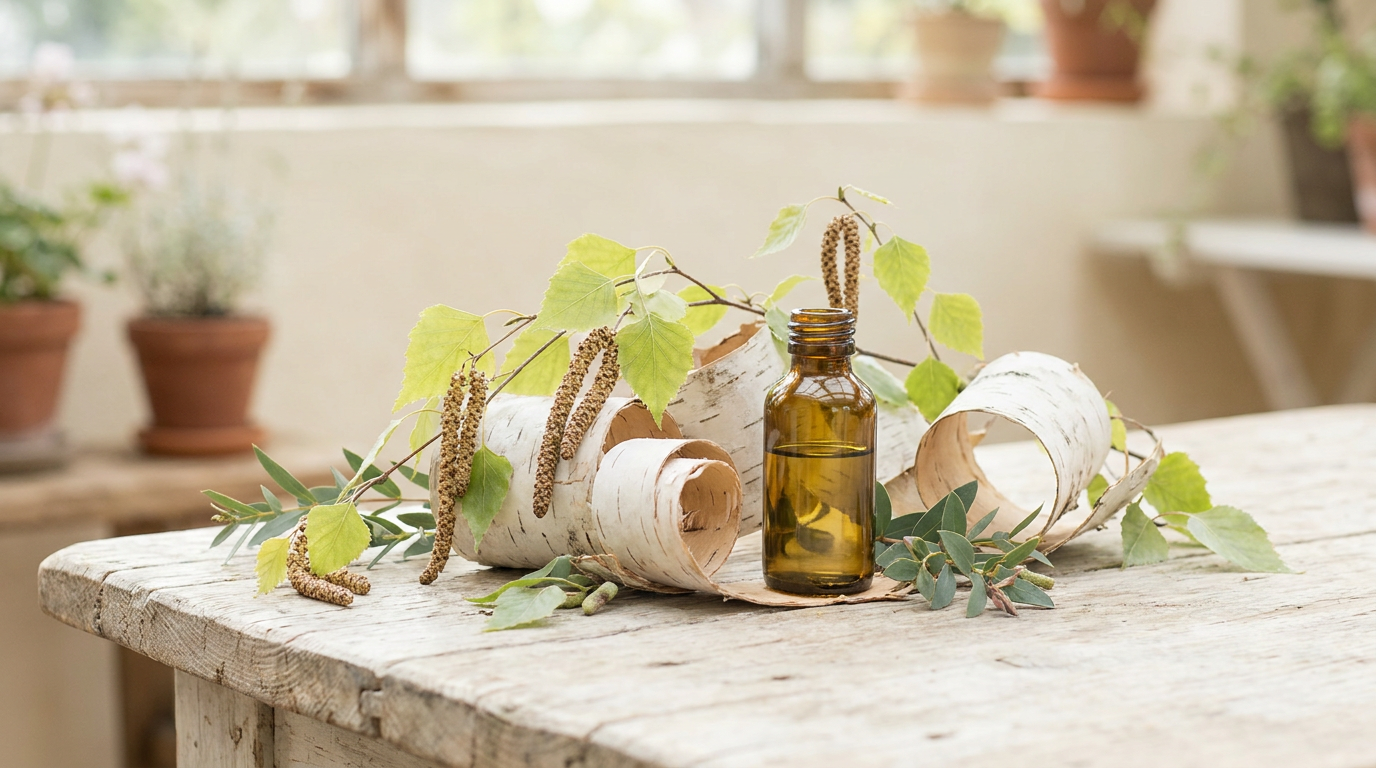
A Buyer's Guide to Birch Essential Oil Sample Sets and Testers
Birch essential oil has a distinctive, almost minty-sweet aroma that surprises a lot of first-time buyers. It's warm, a little medicinal-smelling in the best perfumery sense, and unlike anything else in a typical oil collection. That distinctiveness is exactly why a full-size bottle is the wrong place to start. If you've never smelled birch oil before, or you've only encountered it in a blend, a small birch essential oil sample size is the smarter first purchase. This guide walks through what separates a well-made tester from a forgettable one, what to compare across sellers, and where your money is best spent.
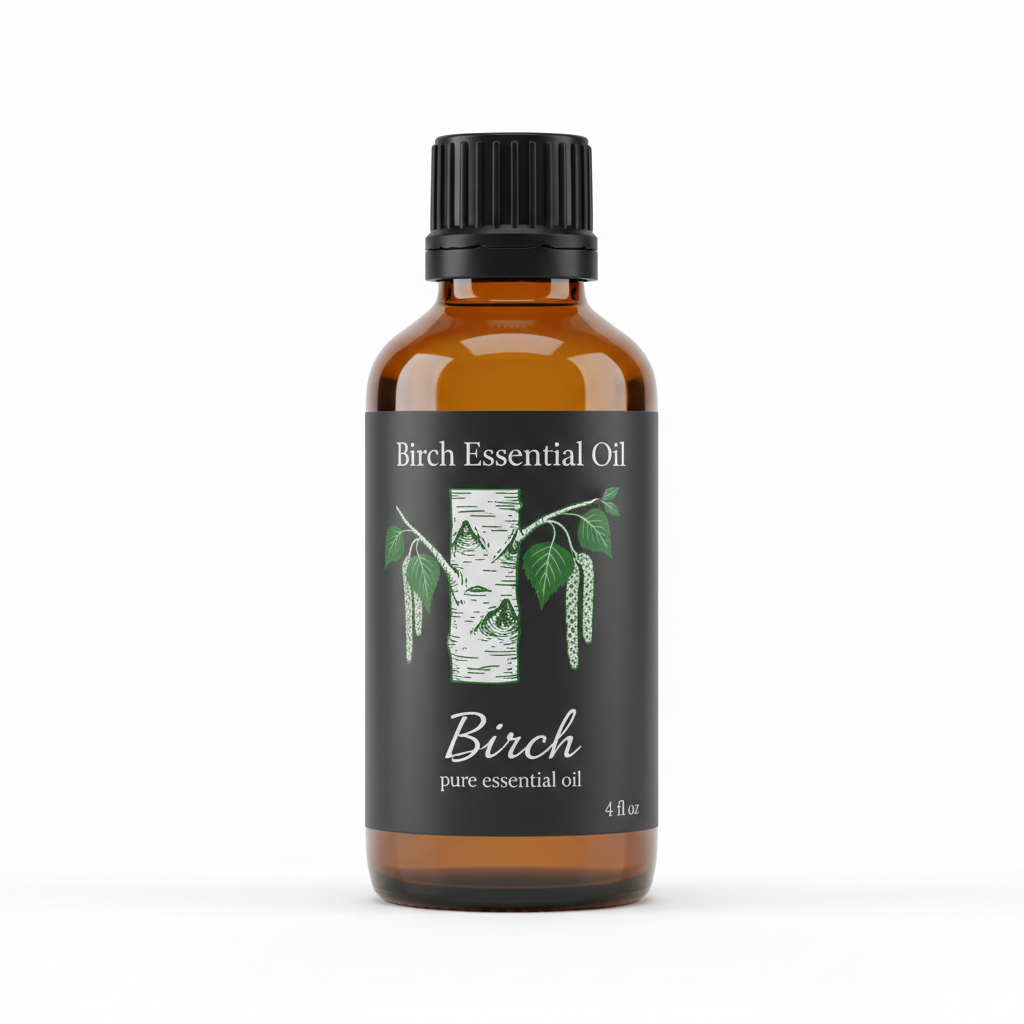
Why Start With a Sample Size
A full bottle of birch essential oil is a real commitment, both financially and in terms of shelf space. Birch oil's scent profile isn't universally loved on first sniff. Some people find it warm and grounding; others find it sharp and want to dilute it further into a blend before deciding how they feel about it. Buying a birch oil tester bottle first lets you live with the scent for a week or two, try it in a diffuser blend or a small cosmetic project, and decide whether it earns a permanent spot on your shelf.
There's also a quality argument for sampling first. Birch oil quality varies a surprising amount between suppliers, partly because of how the oil is produced and partly because of sourcing practices. A sample lets you evaluate a specific supplier's batch before you buy birch essential oil sample set quantities in bulk, or commit to a 4 oz or larger bottle from a brand you haven't tried.
What to Look For: Quality Indicators
Not all birch oil on the market is produced or labeled the same way. Here's what separates a well-sourced sample from one you should pass on.
Botanical Name on the Label
Look for the Latin botanical name, typically Betula lenta (sweet birch) or occasionally Betula alleghaniensis (yellow birch). A label that only says "birch oil" with no species name is a small but real red flag. Reputable sellers list the botanical name as a matter of course, the same way a wine label lists the grape varietal.
Country or Region of Origin
Sweet birch is most commonly distilled in the eastern United States. A seller who can tell you where their birch was harvested and distilled is generally more transparent about their supply chain than one who can't or won't say.
Extraction Method
Birch oil should be steam distilled from the bark. Some lower-cost products on the market are actually synthetic methyl salicylate, which mimics the scent of birch oil convincingly but isn't the same botanical product. If a listing doesn't specify "steam distilled" and doesn't mention bark as the plant part, ask before you buy.
Batch Testing and Documentation
Serious suppliers test each production batch and make that documentation available, usually as a certificate of analysis (COA) or GC/MS report. You don't need to be a chemist to read one. What matters is that it exists, that it's specific to the batch or lot number printed on your bottle (not a generic PDF reused across years), and that the seller is willing to send it before you buy, not just after you ask twice.
Packaging
Birch oil, like most essential oils, degrades faster when exposed to light and heat. Look for dark amber or cobalt glass, never clear glass or plastic. A tester bottle should still have a proper orifice reducer or dropper cap, not a loose-fitting lid that invites spills and evaporation.
Key Features to Compare
Once you've narrowed down a few sellers who pass the quality checks above, compare their sample offerings side by side. The table below covers the features that actually matter when you're evaluating a birch oil tester bottle.
| Feature | What to Check | Why It Matters |
|---|---|---|
| Sample volume | Common sizes run from 2ml to 10ml | Smaller sizes are better for a first try; larger samples make more sense once you already like the scent |
| Price per ml | Divide total price by volume | Sample sizes often carry a premium per ml compared to full bottles; a wide gap can signal the sample is priced to lock you into a bulk purchase |
| Batch documentation | COA or GC/MS report tied to the specific lot | Confirms what's actually in the bottle |
| Bottle material | Amber or cobalt glass with dropper or orifice reducer | Protects the oil and controls how much you dispense |
| Return or satisfaction policy | Some sellers allow exchanges on unopened samples | Useful if a scent isn't what you expected sight unseen |
| Set vs. single tester | Some sellers bundle birch with related woodsy or minty oils | A set can be a good way to compare birch against similar scent families in one order |
Top Picks at Different Price Points
Rather than chase a specific brand name, it helps to know what a good sample looks like at each price tier, since availability shifts often and the best move is judging any given listing against these benchmarks.
Budget Tier (Under $8)
At this price point, expect a single 2ml to 5ml vial with a simple label. That's fine as long as the essentials are covered: correct botanical name, amber glass, and a batch number you can look up or ask about. Skip anything in this range that doesn't list a botanical name at all, since that's often where synthetic or heavily cut oil shows up.
Mid-Range Tier ($8 to $18)
This is usually the sweet spot for a first-time buyer. Sellers in this range typically include a proper dropper cap, a printed or digital COA, and sometimes a small info card describing the oil's traditional and aromatic uses. A mid-range tester is also more likely to come from a seller who sells birch as a specialty item rather than a throwaway add-on, which tends to correlate with fresher stock.
Premium Tier ($18 and Up)
At the top end, you're generally paying for a curated tester set (birch alongside two or three related oils), organic or wildcrafted certification, or a boutique small-batch producer with detailed sourcing notes down to the specific forest or harvest season. This tier makes the most sense if you're already sold on birch oil and want to compare sourcing quality across producers, rather than deciding whether you like the scent at all.
Red Flags to Avoid
A few warning signs are worth walking away from, regardless of price:
- No botanical name anywhere in the listing. This is the single biggest tell of a vague or mislabeled product.
- Claims that sound like drug marketing. Be cautious of listings that lean heavily on dramatic wellness promises rather than describing scent, sourcing, and quality. Reputable sellers talk about aroma, cosmetic use, and sourcing; they don't promise specific health outcomes.
- Suspiciously low pricing for a large sample. Steam-distilled sweet birch bark oil is a real production commodity. A price that's dramatically below the going market rate often means the product is diluted, synthetic, or old stock.
- No lot number or batch tracking. Without this, there's no way to trace a bottle back to a specific testing report if you ever have a question about it.
- Refusal to answer sourcing questions. A quick message to customer service is a good filter. A seller who can't or won't say where the oil came from or how it was tested is telling you something.
- Bottles sold in clear glass. Even for a short-term tester, clear glass suggests the seller isn't thinking about oil stability, which raises questions about how the rest of their process is handled.
Where to Buy
A few channels consistently work well for sourcing a birch oil tester bottle:
Direct From a Specialty Producer
Buying directly from a company that focuses specifically on essential oils, rather than a general wellness retailer carrying hundreds of unrelated products, tends to get you fresher stock and staff who can actually answer sourcing questions. This is usually the best route if you want documentation and a real answer about the harvest.
Established Specialty Retailers
Well-regarded aromatherapy and botanical retailers that have been in business for years and publish their own testing standards are a solid middle path. Look for retailers that publish COAs for every batch on their site rather than only on request.
Marketplaces
Large online marketplaces carry birch oil samples from dozens of unrelated third-party sellers, and quality varies enormously. If you buy here, check the specific seller's reviews (not just the product's overall rating, which can blend multiple sellers), and message them directly to ask for a current COA before ordering. Don't assume a marketplace bestseller badge says anything about oil quality; it usually just reflects order volume.
Local Shops
Independent apothecaries and natural goods shops sometimes carry birch oil in small tester sizes. Buying in person has one real advantage: you can smell the oil before committing, which is hard to replicate online no matter how detailed the listing.
Trying Your Sample Safely
Once your sample arrives, a little care goes a long way. Birch essential oil is potent and should always be diluted before it touches skin. A common starting ratio for cosmetic use is around 1 to 2 drops of birch oil per teaspoon of a carrier oil such as jojoba or sweet almond oil, though exact ratios vary by intended use and it's worth researching dilution guidelines specific to your project. Before using a new sample more broadly, apply a small diluted amount to a patch of skin on your inner forearm and wait 24 to 48 hours to check for any reaction. Keep undiluted oil away from eyes, and store bottles out of reach of children and pets. If you're pregnant, nursing, or managing any ongoing health condition, check with a qualified healthcare provider before introducing a new essential oil into your routine. None of this is meant to be alarmist. It's the same basic caution you'd apply to any concentrated botanical product, and it's especially worth following the first time you try an oil you're not yet familiar with.
Making the Most of a Small Bottle
A sample size goes further than you might expect. A few practical ways to get real value out of a 2ml to 5ml tester:
- Add a drop or two to an unscented lotion or carrier oil to evaluate how the scent develops on skin over a few hours, since birch oil's aroma shifts as it settles.
- Try it in a diffuser blend alongside a citrus or evergreen note to see how it plays with other scents before committing to a solo bottle.
- If you make soap or candles at home, a small sample is enough to test scent throw and fade in a single trial batch before scaling up to a full recipe.
- Keep a simple note of what you tried it in and how it smelled over time. Birch oil samples from different suppliers can smell surprisingly different, and a few weeks from now you won't remember the details unless you write them down.
Final Thoughts
The best way to try birch oil before buying a full bottle is to treat the sampling stage seriously rather than as an afterthought. Check the botanical name, ask about the distillation and batch testing, and choose glass packaging that protects the oil. Whether you land on a budget vial or a boutique tester set, the same quality checks apply across every price point. A little diligence at the sample stage saves you from a shelf full of oil you never ended up using, and it's the surest way to find a supplier worth returning to for a full-size bottle.