Birch Oil Swallowed or on Skin: First-Aid Steps
If someone has swallowed birch oil, or a child may have, call Poison Control at 1-800-222-1222 now (free and open 24 hours) or use the web POISON CONTROL tool at poison.org, and call 911 if the person collapses, has a seizure, has trouble breathing or cannot be awakened (Poison Control). Do not make the person vomit. This page covers swallowed oil, skin, eyes, vapor and pets in that order of urgency, with a card you can tape inside a cupboard.
Swallowed: do these in order
Authentic sweet birch oil is 93.24-99.84% methyl salicylate (Dosoky et al., 2022), so the guidance for swallowed oil of wintergreen is the guidance that applies. Poison Control states that wintergreen oil is "very dangerous if more than a tiny amount is swallowed" (Poison Control).
- Call or go online first. Both routes are free and confidential. Do not wait for symptoms to appear.
- Do not induce vomiting. The poison-center consensus guideline says "Do not induce emesis for ingestions of salicylates" (Chyka et al., 2007). Poison Control adds that aspirating an essential oil can cause pneumonia if some enters the lungs.
- Water or milk only if Poison Control's conditions apply. Their general guidance allows a small amount of water or milk when the swallowed product is burning or irritating, and the person is conscious, not convulsing and able to swallow. The specialist on the line will tell you whether that applies.
- Have the facts ready. Reasoning from how a call is triaged: the specialist needs the product, the amount, the time, and the person's age and weight. Read out the lot reference from the bottle label (ours ties to a batch analysis), and say the product is undiluted sweet birch oil.
- Follow what you are told, including going to an emergency department. Keep the bottle with you.
Why the urgency: a case report from Great Ormond Street Hospital states that one teaspoon (5 mL) of oil of wintergreen is equivalent to roughly 7,000 mg of salicylate, or 21.7 adult 325 mg aspirin tablets (Botma et al., 2001). The consensus guideline says a child under 6 who swallows more than a lick or taste of oil of wintergreen, or a person aged 6 or older who swallows more than 4 mL, should be referred for emergency care (Chyka et al., 2007). A 2007 review found that a teaspoon or less of the oil had been implicated in several well-documented deaths in children under 6 (Davis, 2007).
Symptoms that warrant emergency care in that guideline include vomiting blood, fast or deep breathing, ringing in the ears or hearing loss, lethargy, seizures and confusion. A 1996 review notes that swallowing "poses the threat of severe, rapid-onset salicylate poisoning" because the oil is concentrated and fat-soluble (Chan, 1996). The guideline's referral thresholds are set by the amount swallowed, not by whether symptoms have started.
On skin
- Remove contaminated clothing first.
- Rinse for at least 15 minutes with room-temperature running water. Mild hand soap can remove oil that sticks (Poison Control).
- Wash the area with soap and water. International chemical safety card text reproduced in PubChem reads: "Remove contaminated clothes. Rinse and then wash skin with water and soap" (PubChem).
- Do not cover the area with a dressing. Reasoning from reports: occlusion and damaged skin raised absorption in a documented salicylism case (Bell and Duggin, 2002), and warmth and exercise more than tripled absorption in a small study (Danon et al., 1986). Room-temperature water, not hot, fits that evidence.
- Call Poison Control if the exposure was large, the skin is broken, the person is a child, or any symptom appears. For asymptomatic skin exposures the consensus guideline says to wash thoroughly with soap and water and watch for symptoms at home (Chyka et al., 2007).
A rash after washing is handled the same way: wash off the oil with soap and water. Any allergic reaction that includes difficulty breathing is a medical emergency (Poison Control).
In the eyes
Remove contact lenses, then flush with lots of room-temperature water for at least 15 to 20 minutes. Get an urgent eye exam if irritation, pain, vision problems, redness, swelling or tearing persist an hour after you begin rinsing (Poison Control).
The sources disagree on timing: the chemical safety card says "several minutes," Chyka et al. say 15 minutes, and NOAA's CAMEO text says 20 to 30 minutes and advises hospital transport after flushing even without symptoms (PubChem). We use Poison Control's figure; if you are unsure, call and ask.
Breathed in
Move to fresh air immediately and ventilate the room thoroughly (Poison Control). The chemical safety card adds rest and medical attention. NOAA's datasheet describes vapor mist as irritating to eyes, mucous membranes, upper respiratory tract and skin (CAMEO Chemicals). Persistent coughing or breathing difficulty means calling Poison Control or 911.
Pets
Do not induce vomiting in a pet either; the Merck Veterinary Manual says to avoid emesis because of aspiration risk, and notes that wintergreen and birch oils can produce aspirin toxicosis (Merck Veterinary Manual, 2025). Call a veterinarian, or the ASPCA Animal Poison Control line at (888) 426-4435, which is open 24/7 and may charge a consultation fee (ASPCA). Pet Poison Helpline shows (855) 764-7661 in its site header, but its Essential Oils page body lists 800-213-6680, so confirm the number before you print this card (Pet Poison Helpline). That page says signs usually develop within 6-8 hours. Our page on birch oil and pets goes further.
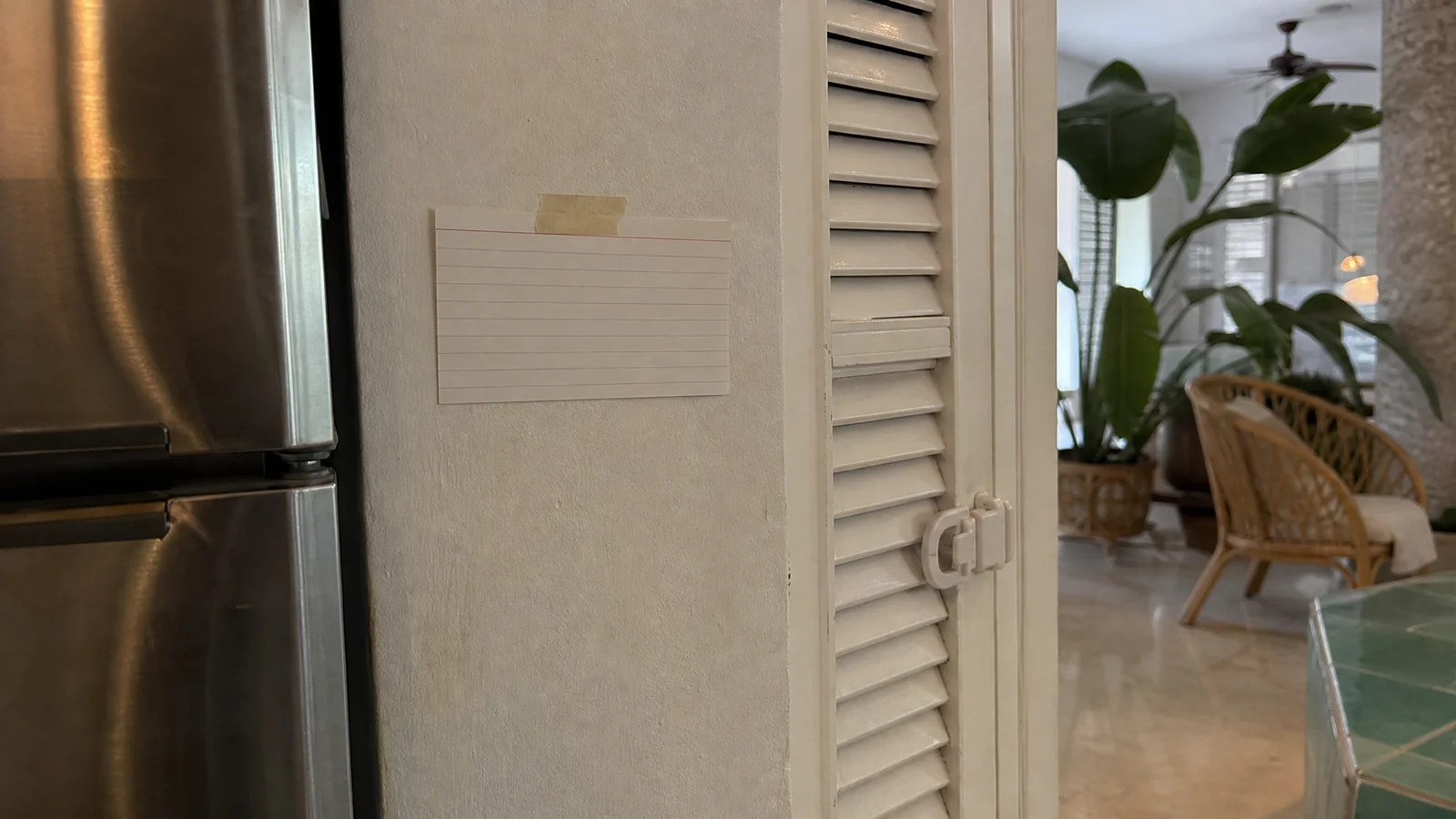
Card to tape inside a cupboard
| Exposure | Do now | Do not | Call |
|---|---|---|---|
| Swallowed | Call or use the online tool before symptoms | Induce vomiting | 1-800-222-1222; 911 if collapse, seizure, trouble breathing |
| Skin | Remove clothing, rinse 15+ minutes, wash with soap | Cover with a dressing; use hot water | 1-800-222-1222 if large, broken skin, a child or symptoms |
| Eyes | Remove lenses, flush 15-20 minutes | Stop rinsing early | 1-800-222-1222; urgent exam if symptoms persist at an hour |
| Vapor | Fresh air, ventilate | Stay in the room | 1-800-222-1222 or 911 for breathing trouble |
| Pet | Call a vet or animal poison line | Induce vomiting | (888) 426-4435 (fee may apply); confirm Pet Poison Helpline number |
Three quick questions
What number do I call if a child swallowed birch oil?
Call Poison Control at 1-800-222-1222, which is free, confidential and open 24 hours, or use the online tool at poison.org. Call 911 instead if the child collapses, has a seizure, has trouble breathing or cannot be awakened. Do not wait for symptoms, and do not induce vomiting (Poison Control).
How much birch oil is dangerous to a child?
No amount is safe to test. The poison-center guideline sets emergency referral at more than a lick or taste of wintergreen-type oil for children under 6, and more than 4 mL for ages 6 and up (Chyka et al., 2007). Birch oil is not named there, but its methyl salicylate share is similar, so treat the thresholds as relevant.
Should I make someone vomit after birch oil is swallowed?
No. The consensus guideline for salicylate poisoning says not to induce emesis (Chyka et al., 2007), and Poison Control warns that oil entering the lungs can cause pneumonia, which is one way vomiting can make things worse. Call 1-800-222-1222 and follow the specialist's instructions instead.
Prevention belongs on the same card
Poison Control advises locking essential oils out of sight and reach of children and pets, and suggests discarding them if you have young children at home (Poison Control). Our written stance says the same: keep the bottle locked away from children. Liquids above 5% methyl salicylate by weight fall under the child-resistant packaging rule in 16 CFR 1700.14(a)(3) (CPSC). More detail sits in the safety guide and the page on pregnancy and children.
This is a sourced explainer by the shop, not individual medical advice, and no clinician has reviewed it. In an emergency, call Poison Control or 911 rather than relying on this page.
Birch Essential Oil
Birch Essential Oil from our own shop, in sizes from 1 oz to bulk.
From $15.99
Shop Now →Sources & Further Reading
- Poison Control (National Capital Poison Center), 2026 page. First aid: Act fast! poison.org
- Dosoky NS, Poudel A, Satyal P, 2022. Authentication and Market Survey of Sweet Birch (Betula lenta L.) Essential Oil. Plants 11(16):2132. pmc.ncbi.nlm.nih.gov
- Poison Control (National Capital Poison Center), accessed 2026. Essential oils: Poisonous when misused. poison.org
- Chyka PA et al., 2007. Salicylate poisoning: an evidence-based consensus guideline for out-of-hospital management. Clin Toxicol 45(2):95-131. pubmed.ncbi.nlm.nih.gov
- Botma M, Colquhoun-Flannery W, Leighton S, 2001. Laryngeal oedema caused by accidental ingestion of Oil of Wintergreen. Int J Pediatr Otorhinolaryngol 58(3):229-232. pubmed.ncbi.nlm.nih.gov
- Davis JE, 2007. Are one or two dangerous? Methyl salicylate exposure in toddlers. J Emerg Med 32(1):63-69. pubmed.ncbi.nlm.nih.gov
- Chan TY, 1996. Potential dangers from topical preparations containing methyl salicylate. Hum Exp Toxicol 15(9):747-750. pubmed.ncbi.nlm.nih.gov
- National Library of Medicine, accessed October 2026. PubChem compound summary: Methyl salicylate (CID 4133), including HSDB and ECHA data. pubchem.ncbi.nlm.nih.gov
- Bell AJ, Duggin G, 2002. Acute methyl salicylate toxicity complicating herbal skin treatment for psoriasis. Emerg Med (Fremantle) 14(2):188-190. pubmed.ncbi.nlm.nih.gov
- Danon A, Ben-Shimon S, Ben-Zvi Z, 1986. Effect of exercise and heat exposure on percutaneous absorption of methyl salicylate. Eur J Clin Pharmacol 31(1):49-52. pubmed.ncbi.nlm.nih.gov
- NOAA CAMEO Chemicals, accessed 2026. Methyl salicylate datasheet. cameochemicals.noaa.gov
- Benson K (Pet Poison Helpline), 2025. Toxicoses From Essential Oils in Animals. Merck Veterinary Manual, March 2025. merckvetmanual.com
- ASPCA. ASPCA Poison Control. aspca.org
- Pet Poison Helpline, 2026. Site header and Essential Oils page. petpoisonhelpline.com
- U.S. CPSC, 16 CFR 1700.14. Substances requiring special packaging. law.cornell.edu