Betula Lenta: The Northern Tree Behind Sweet Birch Oil
Pull the cap off a bottle of genuine sweet birch essential oil and the scent hits you immediately: bright, clean, almost confectionery, with an unmistakable wintergreen character that feels both wild and familiar. That aroma comes from a single tree species, Betula lenta, a hardwood native to the Appalachian highlands and northeastern North America. The tree looks unassuming in the forest, its dark, plated bark nothing like the papery white skin most people picture when they think of birch. But scratch that bark, and you understand everything.
This article takes a close look at the botany, chemistry, and sourcing story behind Betula lenta oil. If you want a broader introduction to the oil itself, the complete sweet birch guide is a good place to start. Here, we are going deeper into what the science actually says, and where it is still forming.
Meet the Tree: Betula Lenta in Its Natural Habitat
Betula lenta goes by several common names: sweet birch, black birch, cherry birch, and mahogany birch. The "lenta" in its Latin name means slow or pliant, a nod to the tree's flexible young branches. It grows best in the cool, moist forests of the eastern United States and southern Canada, thriving at elevations between 2,000 and 6,000 feet in the Appalachians. Pennsylvania, West Virginia, Tennessee, and New York are historically significant source regions.
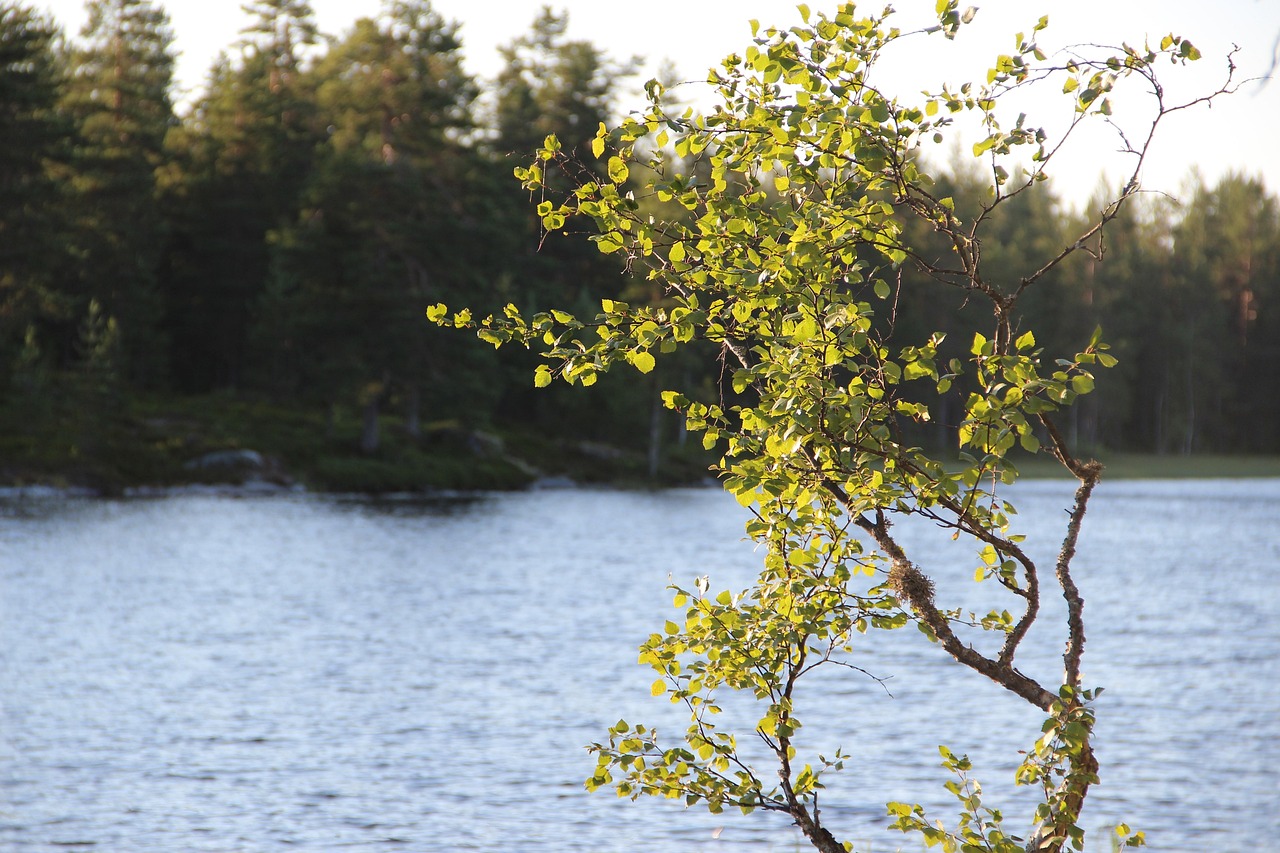
The tree is a mid-sized hardwood, typically reaching 50 to 80 feet at maturity. Young trees have a smooth, reddish-brown bark that resembles cherry wood (hence the name cherry birch), while older specimens develop the deeply furrowed, nearly black bark that distinguishes the species in a mixed hardwood forest. The leaves are oval with finely serrated edges and a bright, almost translucent green in spring.
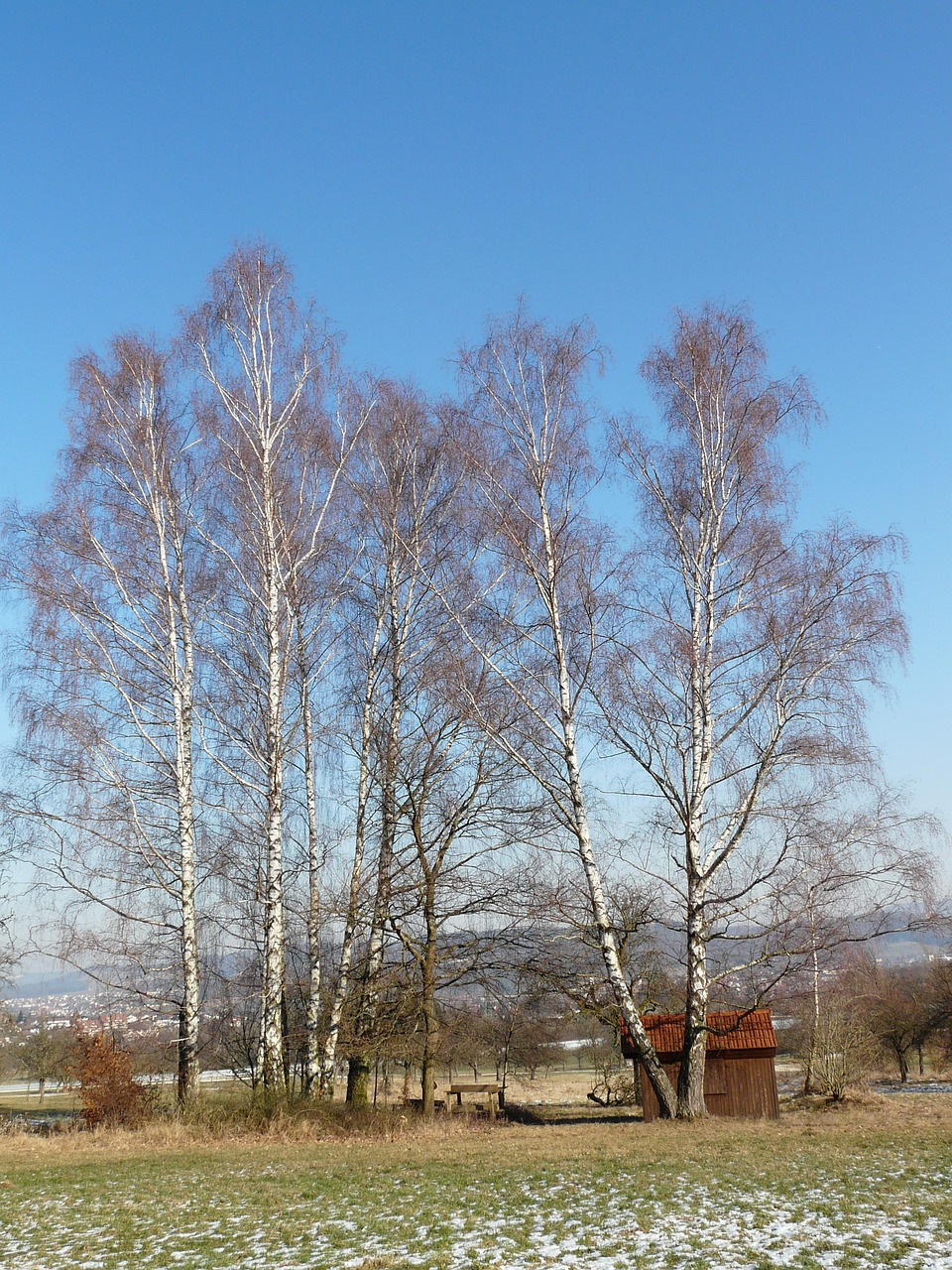
What sets Betula lenta apart from other birch species is its exceptionally high concentration of methyl salicylate in the bark and twigs. That compound is the source of the oil's signature scent, and it is also what makes the species botanically distinct from the more commonly photographed white birch (Betula papyrifera) or silver birch (Betula pendula). Species identification matters enormously in essential oil production, and a Betula lenta oil should always carry that specific Latin name on the label.
Chemical Composition: What Is Actually in Sweet Birch Oil
Sweet birch essential oil has one of the simpler chemical profiles of any commonly used botanical oil. That simplicity is part of what makes it so potent, and also what drives its safety considerations.
Methyl Salicylate: The Dominant Compound
Methyl salicylate typically constitutes between 96 and 99 percent of genuine Betula lenta essential oil. That is an unusually high concentration for a single compound in a steam-distilled oil. Methyl salicylate is an ester, formed from salicylic acid and methanol, and it occurs naturally in the bark and young twigs of the tree as a defense compound and signaling molecule.
This compound is also synthesized industrially and added to a wide range of consumer products: mouthwashes, topical sports gels, and food flavorings. The synthetic version is chemically identical to the natural compound found in birch oil. This is an important point for perfumers and formulators: gas chromatography analysis is the most reliable way to distinguish a genuine steam-distilled Betula lenta oil from one that has been adulterated with synthetic methyl salicylate or blended with wintergreen (Gaultheria procumbens) oil, which contains the same dominant compound.
Minor Constituents
The remaining fraction of authentic sweet birch oil typically contains small amounts of additional compounds, including:
- Betulene and betulenol (sesquiterpene alcohols associated with the birch genus)
- Trace amounts of eugenol (a phenolic compound with a warm, clove-like character)
- Minor salicylate esters
- Small quantities of monoterpene hydrocarbons such as alpha-pinene
These trace constituents do not materially affect the aroma in most formulations, but they are part of what distinguishes a whole, unfractionated distillate from a synthetic reconstruction. High-quality analytical reports from reputable suppliers will show a full GC/MS profile, and buyers are wise to request one.
What Research Suggests About Methyl Salicylate
Because methyl salicylate is such a well-characterized compound, it has attracted significant scientific attention over the decades. Most of the published literature focuses on the isolated compound rather than on the whole essential oil, which is worth keeping in mind when reading any summary of the research.
Some research suggests that methyl salicylate, when applied topically in properly diluted formulations, may support a localized warming or cooling sensation on the skin surface. This is a sensory observation, not a structural or physiological claim. Cosmetic formulators have long used low concentrations of methyl salicylate-rich oils in body care products designed to create that warming sensation during massage or after physical activity.
Research in plant biology has also explored methyl salicylate as a volatile signaling compound. Some studies suggest that plants release it as an airborne signal in response to environmental stress, and that neighboring plants may respond to the compound. This ecological dimension is largely separate from cosmetic applications but adds context to the compound's biological role within the tree itself.
In fragrance research, methyl salicylate occupies a well-established position as a top-to-heart note compound with moderate volatility. It blends naturally with other phenolic and green-herbaceous aromatic compounds, and perfumers have used it in everything from chypre compositions to fresh fougère accords for well over a century.
It is worth stating clearly: the research on methyl salicylate is observational and ongoing. Framing any compound as having proven effects crosses a line that responsible botanical communication should not cross. The science is suggestive, sometimes compelling, and always contextual.
Safety Profile and Contraindications
Sweet birch oil requires careful handling. Its very high methyl salicylate content places it in a special category among essential oils, and responsible use depends on understanding the specific risks involved.
Skin Sensitization and Dilution
The International Fragrance Association (IFRA) and the Research Institute for Fragrance Materials (RIFM) have published safety guidelines that limit methyl salicylate concentrations in leave-on cosmetic products. For most leave-on skin applications, a maximum dilution of 0.6 percent is the commonly cited guideline. Rinse-off products allow somewhat higher concentrations. These limits exist because methyl salicylate can cause sensitization, particularly with repeated high-level exposure.
A practical guideline for home use: never apply sweet birch oil neat (undiluted) to the skin. Even a small amount of undiluted oil represents a significant dermal load of methyl salicylate. A dilution of 0.5 to 1 percent in a carrier oil is appropriate for occasional topical use in adult formulations, staying at or below IFRA guidance for leave-on products.
Patch testing is essential before any new topical formulation is used more broadly. Apply a small amount of the diluted blend to the inner forearm, leave for 24 hours, and observe for redness, itching, or other reactions before proceeding.
Salicylate Sensitivity
Individuals with a known sensitivity to salicylates should exercise particular caution. Methyl salicylate can be absorbed transdermally, and people who are sensitive to salicylate compounds may respond even to topically applied diluted products. Consulting a qualified healthcare provider before use is strongly advisable for this group.
Pregnancy and Children
Sweet birch oil is generally contraindicated during pregnancy due to its high methyl salicylate content. It is also not considered appropriate for use on or near children, particularly infants and toddlers. Many essential oil safety references, including the widely cited work of Robert Tisserand and Rodney Young, specifically flag methyl salicylate-rich oils as requiring extra caution with vulnerable populations.
Drug Interactions
Because methyl salicylate is a salicylate ester, some researchers note that transdermal absorption may be relevant for individuals taking certain medications. Anyone using prescription medications should speak with their healthcare provider before incorporating sweet birch oil into their routine, even in diluted cosmetic applications.
Inhalation and Diffusion
For aromatic use, sweet birch oil is generally considered safe for adults when diffused in well-ventilated spaces and at reasonable concentrations. Due to the potency of its aroma, less is typically more. A few drops in a diffuser is usually sufficient to achieve the desired atmospheric effect. Prolonged, high-concentration inhalation in enclosed spaces is not recommended for any essential oil, and particularly not for one this potent.
Sourcing and Quality Indicators
Sourcing authentic Betula lenta oil requires navigating a market where adulteration is genuinely common. Because synthetic methyl salicylate is inexpensive to produce and chemically identical to the natural compound, unscrupulous suppliers can pass off a diluted or synthetic product as genuine steam-distilled birch oil. Knowing what to look for protects both formulators and end consumers.
Botanical Name and Origin
The label should state Betula lenta as the Latin name. A label that says only "birch oil" or "birch bark oil" without specifying the species is a red flag. Legitimate suppliers will also indicate the country of origin. Authentic sweet birch oil is most commonly distilled in the United States, particularly from Appalachian sources, though some Canadian production also exists. The distillation process is covered in detail in this bark-to-bottle overview of birch oil distillation.
GC/MS Testing
A gas chromatography/mass spectrometry report is the gold standard for verifying essential oil composition. For sweet birch oil, expect to see methyl salicylate as the dominant peak, typically above 96 percent. Reputable suppliers make these reports available on request or post them publicly. If a supplier cannot or will not provide a GC/MS report, that is worth noting.
Aroma Evaluation
Experienced evaluators note that genuine steam-distilled Betula lenta oil has a slightly more rounded, woody-green quality underneath the dominant wintergreen note, compared to pure synthetic methyl salicylate, which reads as sharper and more one-dimensional. This is a subjective distinction that comes with practice, but it is a useful secondary check alongside analytical data.
Sustainable Harvesting
Wild-harvested sweet birch oil comes with ecological considerations. Betula lenta populations in some regions have faced pressure from overharvesting in earlier decades. Responsible sourcing means working with suppliers who can demonstrate sustainable collection practices, ideally with documentation of harvest volumes and regeneration monitoring. Some producers now work from managed woodlots rather than purely wild collection.
Vintage and Storage
Essential oils with a very high ester content, like sweet birch, can undergo hydrolysis over time, particularly if exposed to moisture or fluctuating temperatures. Proper storage in dark glass at cool, stable temperatures extends shelf life significantly. Most quality suppliers indicate a recommended use-by period; two to three years from distillation is a common benchmark for well-stored methyl salicylate-dominant oils.
Betula Lenta in Context: Fragrance, Culture, and Craft
Betula lenta carries a surprisingly rich cultural history for a tree most people walk past without recognizing. Its oil was a core ingredient in traditional root beer flavoring, a chapter in American food history that is easy to overlook but worth knowing. The story of birch and root beer traces that aromatic connection from Appalachian forests to soda fountains.
In perfumery, methyl salicylate has a long and somewhat contradictory reputation. It can read as medicinal at high concentrations but becomes fresh, green, and almost luminous at trace levels. Modern natural perfumers use small amounts of sweet birch oil to lift woody or herbaceous compositions, adding a clean transparency that is hard to replicate with other materials.
For cosmetic formulators, the oil sits in a specialized niche. Its safety parameters require precision and respect. But within those parameters, it contributes a genuinely distinctive aromatic character that connects users to a specific forest, a specific tree, and a specific chemistry that has been part of the northeastern landscape for centuries.
Understanding Betula lenta at this level of detail makes for better formulations and better purchasing decisions. The tree is particular. The oil is potent. The sourcing story is ongoing. All three of those facts deserve attention from anyone working seriously with this material.