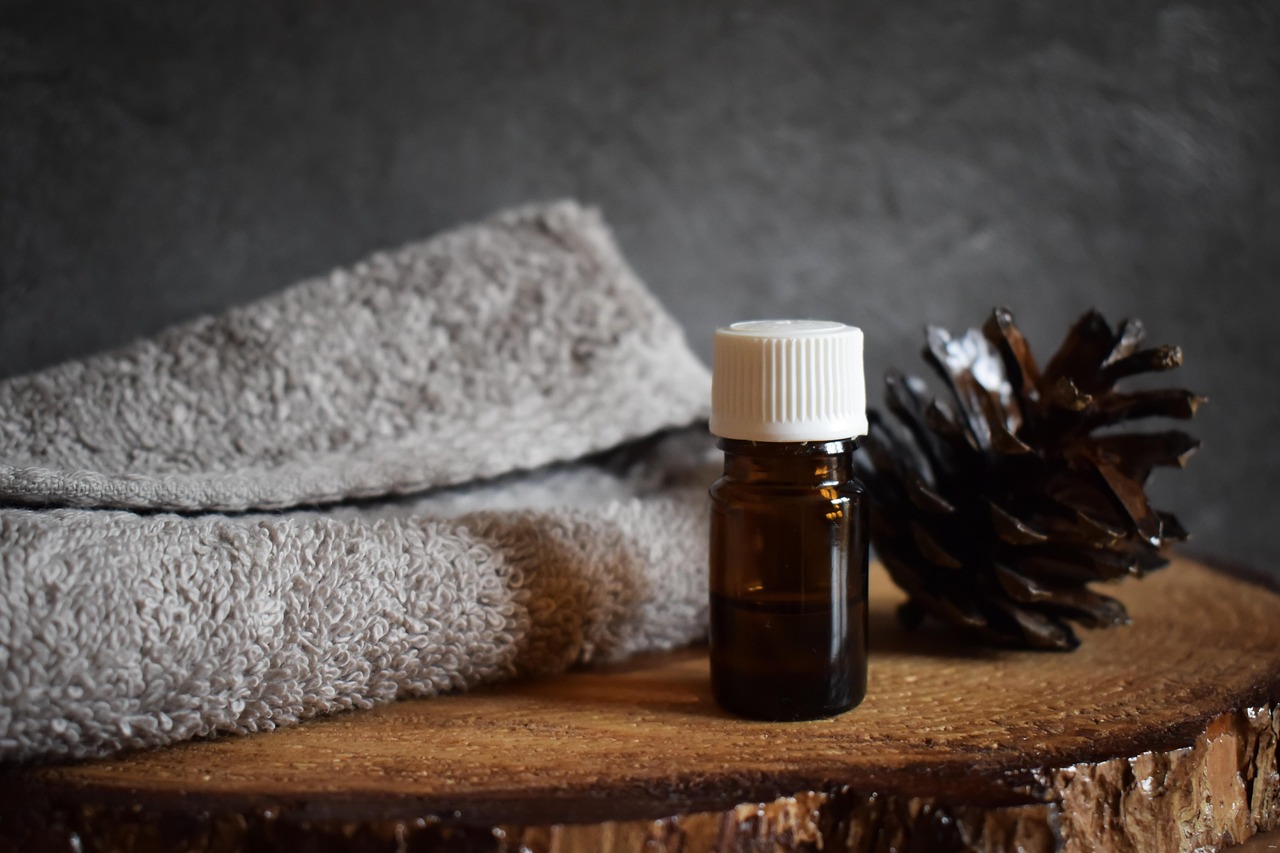
How to Buy Birch Essential Oil: The Complete Quality and Value Guide
Key Takeaways
- Sweet birch (Betula lenta) and birch tar are two distinct oils with different scents, production methods, and price points. Know which one you want before you shop.
- Pure birch oil should contain a high percentage of methyl salicylate. That signature wintergreen-like scent is your first quality indicator.
- Third-party GC/MS (gas chromatography/mass spectrometry) testing is the single most reliable proof of purity. Always ask for it.
- Price matters: very cheap birch oil is almost always adulterated, diluted, or synthetic. Unusually low prices are a red flag, not a bargain.
- Bottle size, supplier reputation, and storage conditions all affect long-term value. A well-sourced small bottle beats a large bottle of questionable oil every time.
Buying birch essential oil sounds simple until you start looking. Open any marketplace and you will find bottles labeled "birch oil" that range from a few dollars to over sixty dollars per ounce, with scents that vary from hauntingly beautiful to suspiciously flat. Some listings call it sweet birch. Others say silver birch, white birch, or just birch. A handful are actually birch tar, which is something else entirely.
This guide cuts through that confusion. It covers every stage of the buying process: understanding what you are actually purchasing, reading labels with a critical eye, verifying purity, choosing a trustworthy supplier, and getting the right bottle size for your needs. By the end, you will know exactly what to look for and what to walk away from.
1. Understanding Birch Oil Types Before You Buy
The most common mistake buyers make is assuming all birch oil is the same. It is not. There are two commercially significant birch essential oils, and they are quite different in character, production, cost, and application.
Sweet Birch Oil (Betula lenta)
Sweet birch essential oil comes from the bark of Betula lenta, a North American species also known as black birch or cherry birch. The oil is steam-distilled from the inner bark and twigs, usually after a brief maceration in warm water. The result is a pale to colorless oil with a fresh, intensely sweet, wintergreen-like scent. That characteristic aroma comes from methyl salicylate, which typically makes up 95 to 99 percent of the oil's composition.
Sweet birch is the variety most commonly used in cosmetics, perfumery, and aromatic diffuser blends. It is what most people picture when they hear "birch essential oil." If you are looking to buy birch sweet essential oil for personal care products or home fragrance, Betula lenta is almost certainly the oil you want.
For a deeper look at how sweet birch and wintergreen compare in terms of scent, chemistry, and sourcing, see our companion article: Is Birch Oil the Same as Wintergreen? Scent Myths Explained.
Birch Tar Oil (Betula pendula / Betula alba)
Birch tar is produced by destructive distillation of birch bark, a process more akin to wood pyrolysis than steam distillation. The resulting oil is dark, viscous, and smoky. Its scent is resinous and leathery rather than sweet. It has a long history in traditional European tanning and leather conditioning, and it shows up in some cosmetic formulations and niche perfumes.
Birch tar is sold at different grades, and its price structure differs considerably from sweet birch. If you are sourcing it for craft or cosmetic work, our detailed breakdown is worth reading: Buying Birch Tar Essential Oil: Grades, Uses, and Price Guide.
Other Species and Mislabeling
Silver birch (Betula pendula) and white birch (Betula papyrifera) bark can also be distilled, but their essential oil yields are lower and the resulting oils have a different chemical profile. They are less common in the essential oil trade. When a bottle just says "birch oil" without specifying the Latin name, that is a problem. Legitimate suppliers always list the botanical name. If it is missing, ask.
2. Reading the Label: What Every Bottle Should Tell You
A high-quality essential oil label is a small document. It communicates botanical identity, sourcing, and processing at a glance. Learning to read it well saves you from expensive mistakes.
Required Information on a Reputable Label
| Label Element | What to Look For | Red Flag |
|---|---|---|
| Common name | Sweet Birch, Black Birch, or Cherry Birch | Just "Birch Oil" with no further description |
| Latin (botanical) name | Betula lenta | Missing entirely |
| Plant part used | Bark or bark and twigs | "Whole plant" or no mention |
| Extraction method | Steam distillation | "Cold pressed" (not appropriate for bark oil) |
| Country of origin | USA, Canada (primary sources for Betula lenta) | No origin listed |
| Batch or lot number | Present and traceable | Absent |
| GC/MS report | Available on request or via QR code | "Certified pure" with no documentation |
| Concentration | 100% pure essential oil (undiluted) | "Birch oil blend" or "fragrance oil" |
The "100% Pure" Problem
Nearly every bottle on the market claims to be 100% pure. The phrase has been so overused that it has lost most of its meaning. What actually backs up purity is documentation: a batch-specific GC/MS report from an independent laboratory. Without that, "100% pure" is marketing language, not a guarantee. We cover this in much more detail in the next section.
Fragrance Oil vs. Essential Oil
Some of the cheapest birch-scented products are not essential oils at all. They are synthetic fragrance oils designed to smell like birch or wintergreen. These may work fine for candle making or non-skin applications, but they should be labeled as fragrance oils, not essential oils. If the price seems impossibly low, check for fine print indicating "fragrance" or "perfume oil" rather than "essential oil."
3. Quality Markers: How to Assess Pure Birch Oil
Knowing what genuine, high-quality birch essential oil looks, smells, and tests like gives you a framework for evaluation that no amount of marketing copy can replicate.
Appearance
Pure sweet birch oil (Betula lenta) is typically colorless to very pale yellow. It is thin and free-flowing at room temperature. Any cloudiness, visible particulates, or golden-brown color should prompt closer investigation. Cloudiness can indicate water contamination or oxidation. Discoloration sometimes points to an adulterated product.
Aroma Profile
The scent of pure sweet birch is the first and most immediate quality check available to you. It should be bright, sweet, and distinctly wintergreen-like, with clean top notes and a fresh, slightly woody undertone. The aroma should feel alive and penetrating. A flat, faintly sweet, or oddly chemical smell often indicates adulteration with synthetic methyl salicylate or dilution with a carrier oil.
Pure birch oil evaporates cleanly from a scent strip within 20 to 30 minutes, leaving little residue. If your test strip feels oily or greasy after drying, the product has likely been diluted with a fixed oil.
GC/MS Testing: The Gold Standard
Gas chromatography/mass spectrometry testing separates an oil into its chemical components and identifies each one. For sweet birch, you should expect to see methyl salicylate listed at 95% or above, often as high as 99%. The presence of expected minor constituents (small amounts of betulene, betulenol, and other trace compounds) helps confirm the oil is genuinely distilled from bark rather than constructed synthetically.
Reputable suppliers publish GC/MS reports by batch. You should be able to match the lot number on your bottle to a specific report. If a company cannot provide this, or offers only a generic report with no lot number, consider it a significant quality concern.
For a practical guide to using these quality checks before you purchase, see: How to Spot Real Sweet Birch Oil: Quality Checks Before You Buy.
Specific Gravity and Refractive Index
Advanced buyers and formulators sometimes verify quality using physical constants. Pure sweet birch oil has a specific gravity of approximately 1.176 to 1.182 at 25°C and a refractive index of roughly 1.535 to 1.538. These numbers fall outside the range of most carrier oils and differ from synthetic methyl salicylate, which provides another layer of verification. Your supplier should be able to provide these values for each batch.
Certifications Worth Noting
Organic certification (USDA or EU equivalent) indicates that the source material was grown or wildcrafted according to defined standards for pesticide use and land management. It does not guarantee superior aroma, but it matters for formulators making certified organic products. Look for certification bodies you recognize and can verify independently.
ISO, AFNOR, and similar standards organizations publish quality benchmarks for essential oils. Not all suppliers reference these, but adherence to these standards is a positive signal. Aromatherapy-industry membership bodies (such as NAHA or AIA) also maintain sourcing and quality guidelines that member suppliers agree to follow.
4. Where to Buy Birch Essential Oil and What to Avoid
The channel through which you purchase birch oil matters as much as the label on the bottle. Different retail environments carry different risks and advantages.
Specialty Essential Oil Suppliers
Companies that focus specifically on essential oils are generally the most reliable source. They have established supplier relationships, conduct or commission third-party testing, and publish documentation. They also tend to employ staff who can answer sourcing questions knowledgeably. Examples include small-to-mid-size botanical suppliers who have been in business for at least a decade and maintain transparent testing policies.
When evaluating a specialty supplier, look for: batch-specific GC/MS reports available on the website or on request; a clear returns or quality guarantee policy; named country of origin for each product; and genuine contact information (phone number, physical address). A company that is difficult to reach is one you should think twice about.
Large Retail Platforms
Marketplaces like Amazon carry both reputable brands and low-quality products side by side. You can find excellent birch oil there, but you need to apply the same scrutiny you would apply anywhere. Check that the product is fulfilled directly by the brand rather than by a third-party reseller, since counterfeit and repackaged products are a genuine concern on open marketplaces. Read recent reviews critically, especially negative ones that mention scent inconsistency or watery texture.
Health Food Stores and Natural Retailers
Physical retail stores offer the advantage of staff knowledge and, occasionally, the ability to smell a tester before buying. Many carry established essential oil brands with solid reputations. The trade-off is limited selection and often higher per-ounce prices compared to buying directly from a supplier.
What to Avoid
- Sellers with no documentation: If GC/MS reports are not available, move on.
- Generic private-label products with no traceability: A bottle with a clean label but no batch number, no botanical name, and no origin information is impossible to verify.
- "Birch fragrance oil" sold as essential oil: Read the fine print. Some listings use birch in the name for search visibility while selling a synthetic product.
- Multi-level marketing (MLM) brands that discourage comparison shopping: Some MLM companies sell decent essential oils, but their pricing structure often inflates cost significantly, and independent quality verification is harder to obtain.
- Prices that seem too good: More on this below.
Buying in Bulk
If you are formulating for soap, candles, or cosmetic production, buying in larger quantities from a wholesale supplier makes economic sense. The quality considerations are identical to retail purchases, but documentation becomes even more important at volume. Our dedicated resource covers this well: Wholesale Birch Oil: A Bulk Buying Guide for Soap and Candle Makers.
5. Price and Value: What You Should Expect to Pay
Birch essential oil pricing confuses buyers because the range is genuinely wide. Understanding why helps you make smarter decisions.
Why Birch Oil Commands a Premium
Betula lenta grows primarily in the northeastern United States and southeastern Canada. It is not a heavily cultivated crop. Sustainable harvesting from wild populations requires careful management, and the oil yield from bark distillation is relatively modest. Added to this are the costs of quality testing, proper storage, and documentation. A reputable supplier has real overhead that cheap alternatives simply ignore.
Current Price Benchmarks
Prices shift with harvests and supply chains, but the following ranges reflect realistic market conditions for genuine pure birch oil at the time of writing. These are approximate retail reference points, not guarantees.
| Volume | Typical Retail Price Range | Notes |
|---|---|---|
| 5 ml (approx. 0.17 oz) | $8 to $16 | Common entry-size for personal use |
| 10 ml (approx. 0.35 oz) | $14 to $28 | Most popular retail bottle size |
| 1 oz (approx. 30 ml) | $28 to $55 | Better per-ml value for regular users |
| 4 oz (approx. 120 ml) | $80 to $140 | Entry-level bulk for formulators |
| 1 lb (approx. 454 ml) | $200 to $380 | Wholesale / craft production range |
For a more granular breakdown of pricing factors, batch quality effects on cost, and how to compare value across suppliers, see our full price guide: How Much Does Birch Essential Oil Cost? Price and Value Explained.
The Low-Price Warning
If you encounter sweet birch oil priced at, say, $4 for 10 ml from an unknown seller, something is wrong. At that price point, the economics of genuine distillation, testing, and quality storage simply do not work. The product is either synthetic fragrance oil mislabeled as essential oil, a heavily diluted blend, or an adulterated mixture with synthetic methyl salicylate added to a base. None of these are worth buying for quality formulation work.
Organic Premium
Certified organic birch oil commands a price premium of roughly 20 to 40 percent over conventionally sourced oil, depending on the supplier. For personal care products where you want to use organic-certified ingredients throughout a formula, this premium is often worth it. For diffuser use where certification is less relevant to your end product, conventional but fully tested oil is a reasonable and more economical choice.
Seasonal and Supply Variability
Like most botanical products, birch oil prices can shift with harvest quality, regional weather events affecting tree health, and broader supply chain dynamics. Buying slightly more than you immediately need during a period of good pricing and availability is a sensible strategy, provided you store the oil correctly.
6. Bottle Size, Format, and Storage
Choosing the right volume is a purchasing decision with real consequences. Too small and you run out quickly, paying more per milliliter than you should. Too large and you risk the oil oxidizing before you use it all.
Choosing the Right Starting Size
If you are buying birch essential oil for the first time, a 10 ml bottle is the sensible starting point. It is enough to genuinely evaluate the scent, test it in a diffuser blend, or use in a small batch of a cosmetic formula. It does not represent a large financial commitment. Once you know you like the supplier and the oil, moving to a 1 oz or larger bottle makes economic sense.
For a full discussion of how to choose between available bottle sizes based on your intended use, visit: Birch Essential Oil Bottle Sizes: Which One to Order First.
Bottle Material
Essential oils, including birch, should be stored in dark glass (amber or cobalt blue) or in aluminum bottles. Clear glass allows light to degrade the oil. Plastic is generally unsuitable for undiluted essential oils because the methyl salicylate in birch can leach compounds from certain plastics and degrade over time in others. If a supplier ships birch oil in clear plastic, that is a quality red flag for storage practices.
Closure Type
The best retail bottles include an orifice reducer (the small plastic insert in the neck that controls flow) plus a cap. This combination limits air exposure with each use and helps prevent accidental spills. Bottles that only have a dropper cap with no reducer are fine but require more care. Large wholesale containers (4 oz and above) typically use disc tops or pour spouts rather than droppers.
Storage Conditions for Longevity
Sweet birch oil is relatively stable compared to citrus or conifer oils, but it still benefits from proper storage.
- Store in a cool, dark location. A cabinet away from windows and heat sources is ideal. Refrigeration is fine for longer-term storage.
- Keep lids tightly closed between uses. Oxidation from air exposure degrades the aroma over time.
- Avoid temperature fluctuations. Repeated warming and cooling can cause condensation inside the bottle.
- Label your bottles with purchase date. Most pure essential oils have a shelf life of two to three years when stored properly. Birch oil, with its high methyl salicylate content, often maintains quality well within this window.
7. Buying for Specific Uses: Cosmetics, Diffusion, and Craft Making
Your intended application shapes which grade and quantity of birch oil makes the most sense to purchase. Here is how to think through the most common use cases.
Cosmetic Formulation (Lotions, Serums, Scrubs)
When you are adding birch oil to leave-on or rinse-off cosmetic products, purity and documentation matter most. You need a GC/MS-verified, batch-traceable oil so that you can document your formula accurately. Organic certification may be important depending on your product's positioning.
Dilution is critical for skin applications. Birch oil, due to its high methyl salicylate content, requires careful formulation within established safe-use guidelines. The industry standard for cosmetic use is a maximum of 2.5% in leave-on products, though many formulas use far less. Always conduct a patch evaluation before any broader use, and note that this oil is not appropriate for young children or during certain life stages. Consult a qualified formulator or dermatologist if you are uncertain about appropriate usage levels for your specific product.
For cosmetic use, buying in 1 oz to 4 oz quantities from a supplier who provides full documentation gives you the best balance of quality assurance and cost efficiency.
Aromatic Diffusion and Blending
For diffuser blends and perfumery, sensory quality comes first. You want an oil with excellent aroma depth, clean evaporation, and consistency across batches. A supplier who maintains batch-to-batch consistency is worth paying a premium for, since your blend ratios and notes will shift if the oil profile changes significantly.
For diffuser use, a 10 ml to 1 oz bottle offers a good working supply without committing to a large volume. Birch is a powerful top note. A little goes a long way in blending work, so smaller bottles may last longer than expected.
Soap Making
In cold-process or hot-process soap, birch oil behaves well. Its scent can partially survive the saponification process, though some brightness does fade. Because soap recipes require larger volumes of fragrance than a diffuser blend, buying in 4 oz or bulk quantities makes economic sense for regular soap makers.
Note that in rinse-off products like soap, the final concentration of methyl salicylate is diluted significantly in the finished bar, which is one of the reasons soap is a well-established application for this oil.
Candle Making
Birch essential oil can be used in candles, though its performance varies by wax type. Soy and coconut waxes tend to hold this oil's scent reasonably well. The high methyl salicylate content can affect flash point calculations, so always check flash point data from your supplier before formulating. Never leave candles burning unattended, and follow all standard candle safety practices.
For candle making at any meaningful production scale, wholesale purchasing is almost always the economical choice. See the bulk buying guide linked above for full guidance on that process.
Blending Partners for Birch Oil
Understanding birch oil's place in a blend helps you buy the right amount and know whether a scent is performing as expected. Birch pairs naturally with:
- Cedarwood and sandalwood (adds warmth and depth beneath the bright top note)
- Peppermint (amplifies the crisp, cooling character)
- Lemon and bergamot (brightens and lifts the overall blend)
- Lavender (softens and rounds birch's sharpness)
- Eucalyptus (creates a forest-fresh, cool accord)
8. Your Pre-Purchase Checklist
Before you complete any order for birch essential oil, run through these questions. They cover everything that matters in a single review.
About the Product
- Does the label state Betula lenta as the botanical name?
- Is steam distillation listed as the extraction method?
- Is the country of origin clearly stated (preferably USA or Canada for sweet birch)?
- Does the bottle specify 100% pure, undiluted essential oil rather than a blend or fragrance oil?
- Is the bottle dark glass or aluminum?
About the Supplier
- Is a batch-specific GC/MS report available, ideally with a matching lot number?
- Does the supplier have a traceable contact address and phone number?
- Is the supplier willing to answer sourcing questions by email or phone?
- Does the company have a clear returns or quality dispute policy?
- Are customer reviews consistent about scent quality and packaging integrity?
About the Price
- Does the price fall within a realistic range for genuine distilled birch oil (see the table in Section 5)?
- If the price is unusually low, have you investigated whether the product might be synthetic or diluted?
- Have you compared per-milliliter cost across two or three reputable suppliers before deciding?
About Your Own Use
- Have you chosen the right bottle size for your actual intended use and consumption rate?
- If using on skin in any form, are you aware of appropriate dilution levels and the importance of patch evaluation?
- Have you confirmed that birch oil is appropriate for your specific application (age of users, any relevant sensitivities in your household, type of product you are making)?
- Do you have a suitable storage location ready: cool, dark, away from heat sources?
A note on safety: Birch essential oil is potent. It should always be diluted before skin contact. Keep it away from children. If you have questions about appropriate use in your specific situation, consult a qualified healthcare provider or a certified aromatherapy professional before proceeding. This guide is educational in nature and does not constitute professional formulation or medical advice.
Putting It All Together
Buying the best birch essential oil for your needs comes down to knowing your product, verifying your supplier, and paying a price that reflects genuine quality. The extra ten minutes you spend checking a GC/MS report or comparing botanical names across two listings will pay off every time you open that bottle and experience exactly the forest-sweet, crystalline scent that makes this oil worth seeking out.
Sweet birch is not an oil that hides its quality. A genuinely pure, well-sourced bottle has an aroma that stops you in your tracks. A synthetic or adulterated one falls just a little flat. Once you know the difference, you will not settle for less.
For everything related to birch oil content on this site, use the articles linked throughout this guide as your ongoing reference. They are written to complement one another, so reading across them builds a complete and practical picture of how to source, evaluate, and use this remarkable botanical oil.