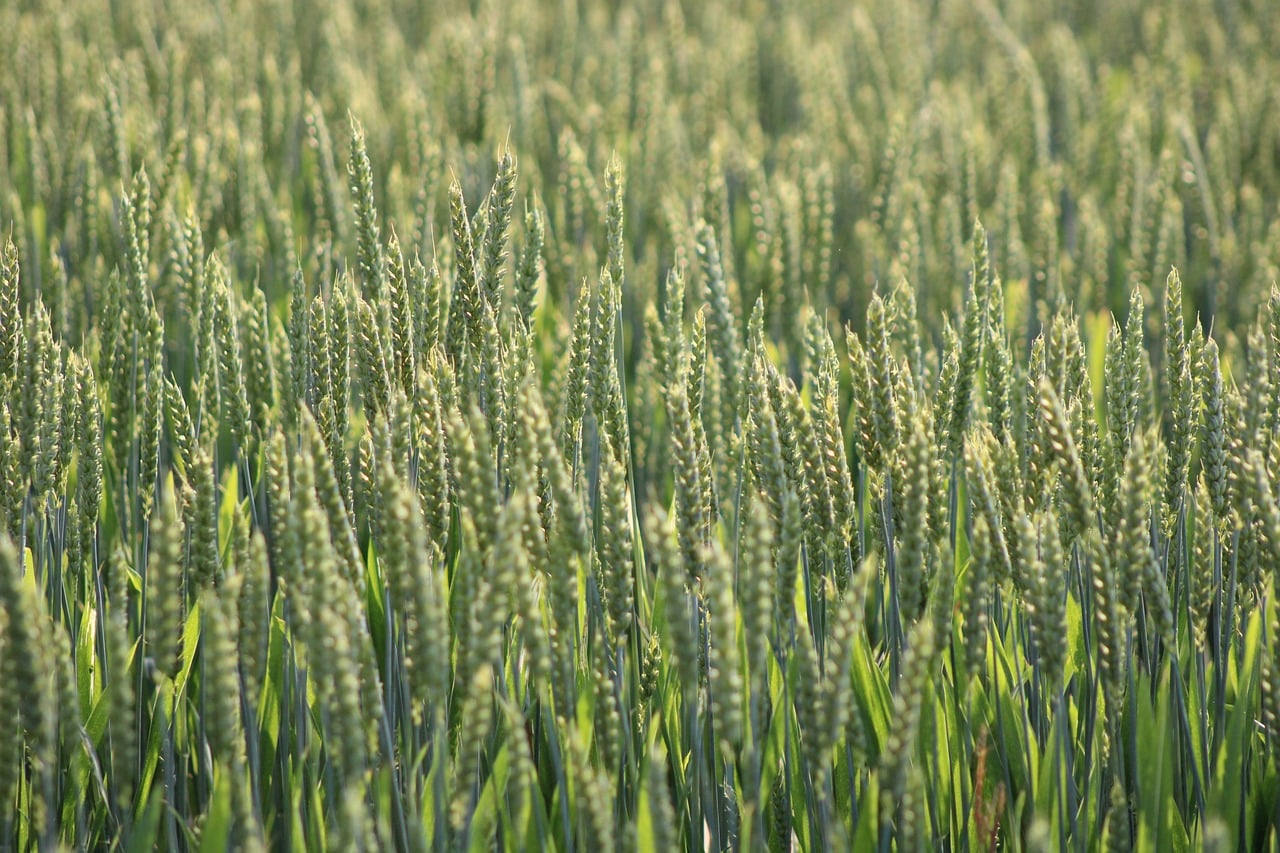
Sustainable Birch Harvesting: Sourcing from Northern Forests
Birch essential oil carries something genuinely difficult to manufacture: a sense of place. That clean, camphoraceous sweetness in every bottle comes directly from the northern boreal forests of Scandinavia, Russia, Canada, and the Baltic states, where birch trees grow in dense, snow-tolerant stands across millions of acres of temperate woodland. The oil's character is inseparable from its geography, which is exactly why sourcing and sustainability deserve serious attention before you ever unscrew a cap.
This deep dive covers the chemistry behind birch oil's distinctive profile, what current research observations tell us about its key compounds, how responsible harvesting actually works in practice, and what quality indicators you should look for when evaluating a supplier. If you want the short version of what to look for at the point of purchase, our guide on how to buy birch essential oil covers the essentials. But for the full picture, read on.

The Birch Tree: Species, Range, and Why It Matters for Sourcing
Not all birch oil comes from the same species. The two most commercially significant sources are Betula lenta (sweet birch, native to eastern North America) and Betula pendula and Betula pubescens (silver and downy birch, dominant across Europe and northern Asia). Each yields oil with a broadly similar chemical character, but the specific compound ratios can differ depending on species, elevation, soil mineral content, and the part of the tree used.
Bark-distilled birch oil from Betula lenta and tar-derived birch oils represent two very different product categories. For cosmetic and aromatic applications, the steam-distilled bark oil is the standard. Birch tar oil, produced through destructive dry distillation, has a much smokier, heavier profile and distinct chemical differences. When evaluating what size bottle to order, it's worth confirming which type you're actually purchasing.
Chemical Composition: What's Actually in the Bottle
The dominant compound in steam-distilled sweet birch (Betula lenta) oil is methyl salicylate, which typically constitutes 96 to 99 percent of the total composition. This ester is responsible for the oil's recognizable wintergreen-adjacent scent, its characteristic cooling sensation on the skin, and much of what makes it interesting from a cosmetic formulation standpoint.
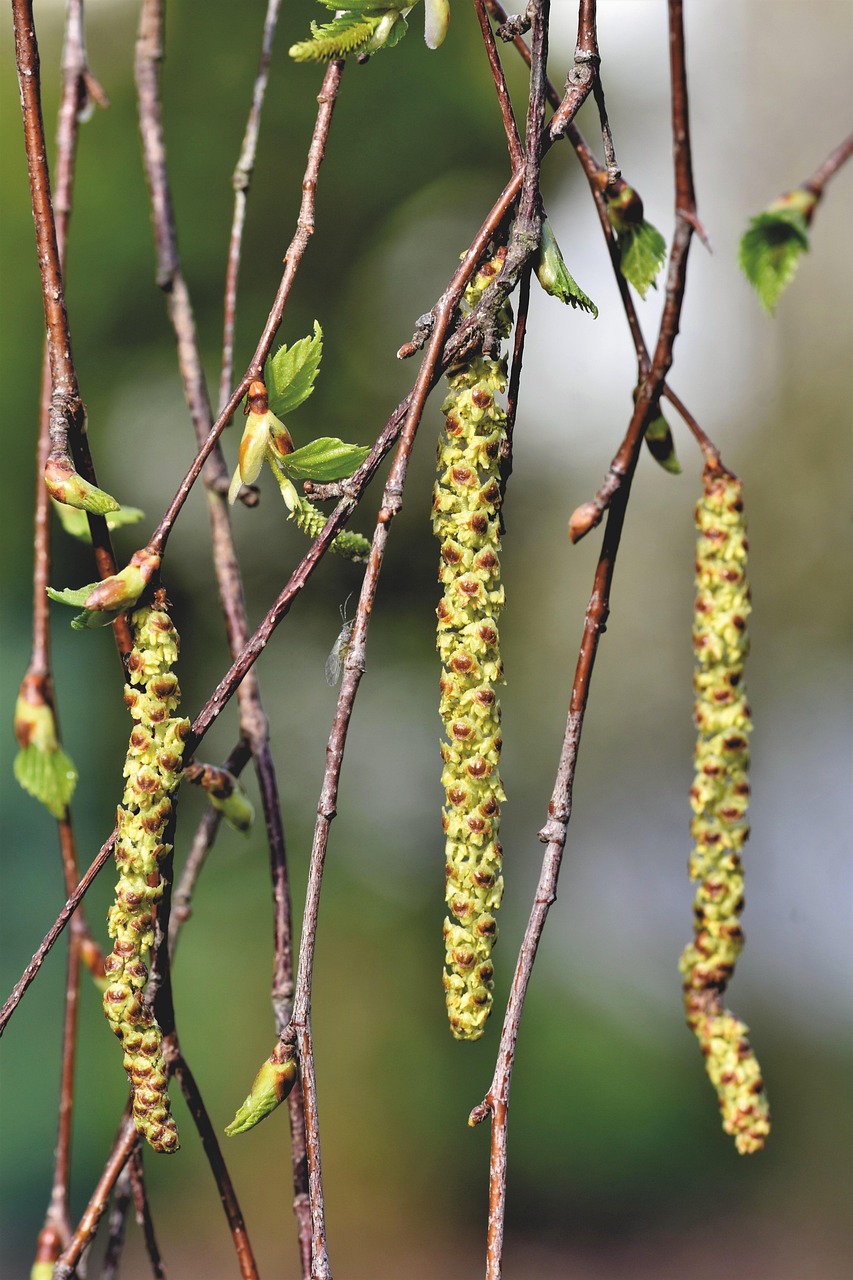
Birch bark oils from European species carry a broader range of compounds. Research observations on Betula pendula bark extracts have identified betulin, betulinic acid, lupeol, and various triterpene compounds as significant constituents. These are present in the bark itself and in some solvent-extracted preparations, though they appear in much lower concentrations in standard steam-distilled essential oil.
A summary of key constituents found across birch oil types:
| Compound | Primary Source Species | Typical Concentration (Steam-Distilled) | Notes |
|---|---|---|---|
| Methyl salicylate | Betula lenta | 96 to 99% | Responsible for characteristic scent |
| Betulene | Betula pendula | Trace to low | Sesquiterpene; varies by extraction method |
| Creosol and guaiacol | Birch tar (dry distillation) | Variable | Phenolic; characteristic of tar-derived oil only |
| Betulin / betulinic acid | Betula pendula bark | Minimal in steam-distilled; higher in extracts | Triterpenoid; more relevant to bark extracts |
The high methyl salicylate content in Betula lenta oil is chemically identical to the compound found in wintergreen oil (Gaultheria procumbens). Gas chromatography analysis is the standard method for distinguishing between the two, since adulteration of one with the other is a documented industry issue.
What Research Suggests About Key Compounds
Betulinic acid has attracted considerable scientific interest over the past two decades. Published research observations suggest it interacts with certain cellular processes in ways researchers continue to study. It's important to frame this accurately: these are laboratory and preliminary observations, not conclusions about what birch oil does in a cosmetic product applied to skin. The concentration of betulinic acid in a standard steam-distilled essential oil is not comparable to the purified compound concentrations used in research settings.
Methyl salicylate has a well-documented sensory profile. Research into salicylate compounds broadly suggests they may interact with skin receptors in ways associated with cooling and aromatic perception. Some research suggests methyl salicylate absorbs readily through skin, which is precisely why dilution guidelines for birch oil are stricter than for many other essential oils.
Betulin, the white crystalline compound responsible for birch bark's characteristic color, has been studied for its structural and chemical properties. Some cosmetic researchers have noted its potential relevance as a natural ingredient, though the body of work remains in early observational stages.
Safety Profile and Contraindications

Birch oil requires careful handling. Its high methyl salicylate content places it in a category that demands respect.
Important: Individuals with sensitivities to salicylates should avoid birch oil entirely. This includes those who follow salicylate-restricted diets or have documented sensitivities. Always consult a qualified healthcare provider before incorporating birch oil into any personal care routine, particularly if you take any medications or have existing health considerations.
General safety guidelines for cosmetic and aromatic use:
- Dilution: The International Fragrance Association (IFRA) and organizations like the Tisserand and Young reference framework recommend dilution rates well below 1% for leave-on skin applications. Some formulation guides suggest 0.6% or lower as a starting point for leave-on products. Always confirm current guidelines before formulating.
- Patch testing: Apply a small amount of your diluted blend to the inner forearm, leave for 24 hours, and observe before broader use.
- Avoid during pregnancy and nursing: Methyl salicylate is generally considered contraindicated during pregnancy. Do not use without explicit guidance from a healthcare provider.
- Keep away from children: Methyl salicylate presents significant risks in concentrated form around children. Store securely.
- Avoid on broken or compromised skin: Enhanced absorption through compromised skin increases potential for irritation.
- Not for internal use: Birch essential oil is for external and aromatic applications only.
Aromatherapy diffusion at standard room concentrations is generally considered the lower-risk application method, though adequate ventilation remains advisable.
Sustainable Birch Harvesting: How It Works in Practice
Birch is one of the more naturally abundant hardwood species across the northern hemisphere. Betula pendula is a pioneer species, meaning it colonizes disturbed land quickly and supports forest regeneration. This ecological role actually makes birch a relatively low-impact harvest target when compared to slower-growing or less-abundant species. That said, scale matters. The global demand for birch-derived products creates harvesting pressure that responsible sourcing practices need to address directly.
The most widely respected approach to sustainable birch oil sourcing involves several overlapping principles:
Certified Forest Management
Forest Stewardship Council (FSC) certification and similar regional programs (PEFC in Europe, for example) require documented harvesting limits, regeneration protocols, and third-party auditing. Birch oil sourced from FSC-certified operations provides meaningful assurance that harvest volumes fall within sustainable yield limits. When evaluating a supplier, asking for their forest certification documentation is a reasonable step.
Byproduct and Integrated Harvesting
Some of the most genuinely sustainable birch oil production comes from operations where distillation uses byproduct material: wood chips, bark offcuts, or pruning waste from timber operations that would otherwise be discarded. This integrated approach extracts value from material already removed from the forest, without requiring additional harvest pressure. Suppliers who can describe their feedstock source clearly and honestly are worth noting.
Wild-Harvested vs. Cultivated Sources
Wild-harvested birch oil from well-managed northern forests is common and can be fully sustainable when harvest volumes are regulated. Some producers in the Baltic states and Scandinavia operate on a rotational basis, harvesting from different stands in multi-year cycles that allow populations to regenerate. Cultivated or plantation-grown birch is less common for oil production but exists and offers additional traceability.
Geographic Traceability
Ethical essential oil sourcing includes knowing where the raw material came from. Country of origin is a starting point, but region-level traceability is more meaningful. A supplier who can tell you that their oil comes from, for example, sustainably managed forests in a specific Finnish region provides more verifiable information than one who lists only "Europe" on the label.
Quality Indicators: What to Look For
Evaluating birch oil quality involves several layers. Scent assessment alone is insufficient, since synthetic methyl salicylate is inexpensive and difficult to distinguish by smell alone.
Gas Chromatography / Mass Spectrometry (GC/MS) Reports
A reputable supplier will provide, or make available on request, a GC/MS analysis report for each batch. This report identifies and quantifies the compounds present, allowing you to confirm methyl salicylate concentration, check for adulterants, and verify species authenticity. Reviewing GC/MS reports becomes standard practice once you source oils regularly.
Species Specification
The product listing should clearly state the Latin botanical name. Betula lenta, Betula pendula, or Betula alba each produce oils with distinct profiles. A listing that says only "birch oil" without botanical specification is a yellow flag worth clarifying before purchasing.
Extraction Method
Steam-distilled bark oil is the standard for cosmetic and aromatic applications. If a product is listed as birch tar oil or as a solvent extract, its composition and appropriate applications differ considerably. Clarity on extraction method should appear on the product label or in the supplier's technical documentation.
Packaging and Storage
Methyl salicylate can interact with certain plastic formulations over time. Dark amber or cobalt glass bottles provide appropriate UV protection. If you purchase larger quantities, our wholesale and bulk buying guide covers storage and handling considerations for soap and candle makers working at volume.
Putting Sourcing and Chemistry Together
The connection between where birch oil comes from and what ends up in the bottle is more direct than it might seem. Soil mineral content, climate, and harvesting season all influence the final chemical profile, which is why batch-to-batch GC/MS comparison from the same supplier can be genuinely informative over time. A supplier committed to consistent, traceable sourcing will tend to produce more consistent chemistry.
Sustainable birch oil sourcing is not a niche concern for specialists. It's the foundation of product quality. Forests that are well-managed produce healthier trees with more consistent bark composition. Ethical supply chains produce more reliable documentation. And reliable documentation produces better purchasing decisions, whether you're a home aromatherapist filling a single diffuser or a small-batch candle maker working through regular stock.
The birch forests of the northern hemisphere are genuinely extraordinary ecosystems, and the oil they yield carries that character in every note. Sourcing it responsibly is simply the right way to bring that character to your work.