Birch Oil Benefits for Home and Fragrance: A Cosmetic Perspective
Pull the cap from a bottle of birch essential oil and the scent is immediately arresting: cool, slightly sweet, with that unmistakable forest-floor character that no synthetic fragrance has ever quite captured. It smells like the inside of a birch grove after rain. For those of us who work with aromatic botanicals, that opening note alone is reason enough to keep a bottle on the shelf.
But the birch oil benefits extend well beyond a single beautiful impression. Sourced primarily from Betula lenta (sweet birch) or Betula alba (white birch), this oil has carved out a genuine place in home fragrance, cosmetic formulation, and personal care rituals. This guide walks through eight of the most compelling uses, grounded in what the oil actually does at a sensory and cosmetic level, with practical guidance on how to bring it into your own routines safely.
1. A Signature Forest Scent for the Home
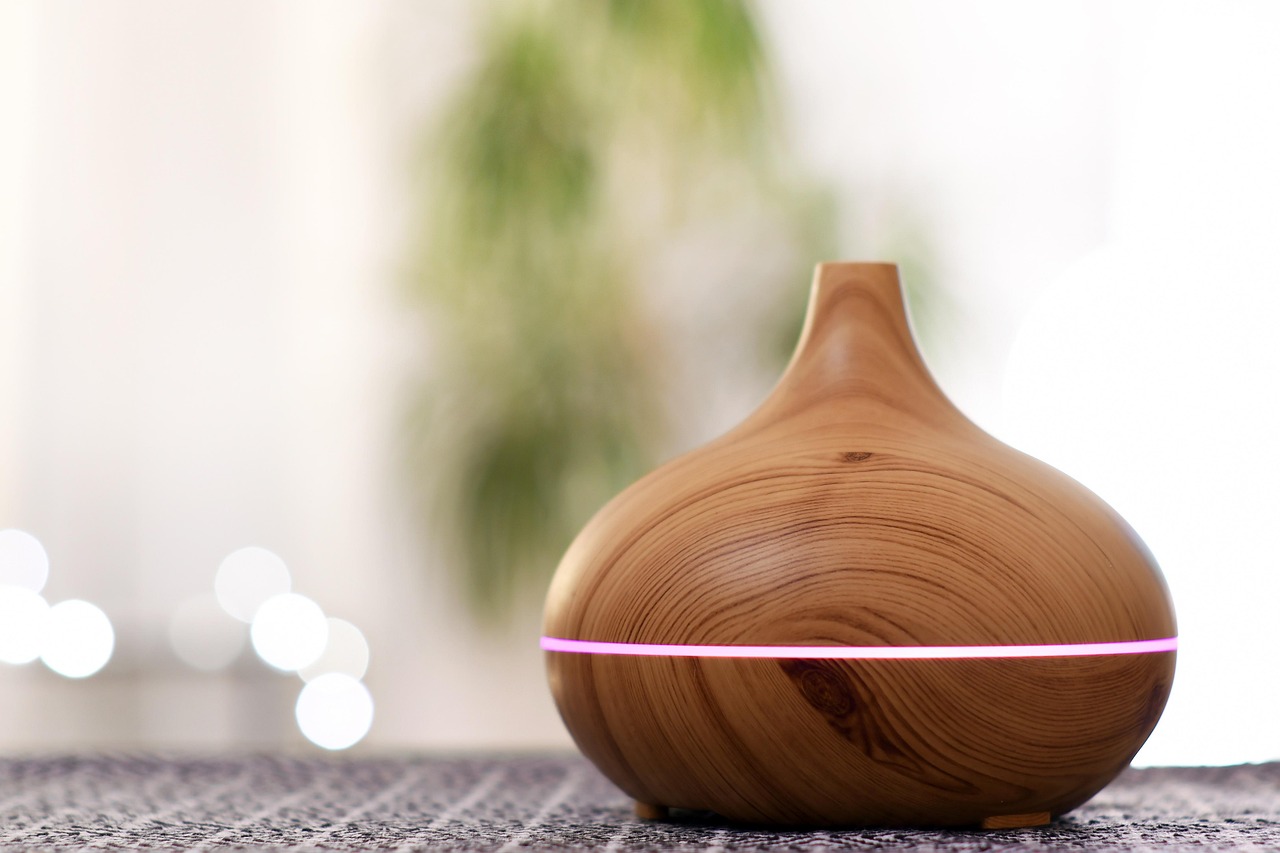
One of the standout birch essential oil benefits is deceptively simple: it smells extraordinary in a diffuser. The high methyl salicylate content in sweet birch delivers a crisp, slightly medicinal-sweet aroma that reads as clean without ever feeling sterile. It fills a room the way good woodsmoke fills a cabin, with presence and warmth, but without heaviness.
For home fragrance purposes, birch works particularly well in the cooler months. A diffuser blend of birch, cedarwood, and a single drop of black spruce creates an atmosphere that most people describe as "northern forest in a room." The oil's volatility means it disperses quickly and evenly, making it efficient for larger living spaces.
Birch also layers beautifully with citrus oils. Try pairing it with bergamot or grapefruit for a morning blend that feels bright but grounded. The citrus top notes fade first, leaving the birch to carry the scent through the afternoon.
Practical takeaway: Start with 3 to 4 drops in a 100ml ultrasonic diffuser. Because birch is potent, less is genuinely more. Build up only if the scent feels too subtle in your specific space.
2. A Natural Addition to Cosmetic Formulations
Formulators have long valued the benefits of birch essential oil as a fragrance ingredient in cosmetic products. Its scent profile sits in an interesting space between medicinal and sweet, which makes it useful for positioning products as "natural" or "outdoor-inspired" without leaning into overtly floral or resinous territory. A small percentage added to a body lotion or hair rinse can anchor an entire fragrance story.
Beyond scent, birch tar oil (a related but distinct product derived from bark distillation) has a long tradition of use in hair and scalp preparations. Sweet birch essential oil, used at appropriate cosmetic dilutions, lends a familiar botanical character to shampoos and conditioners that people associate with scalp care products. This is partly historical association and partly the fact that the aroma itself signals cleanliness and freshness.
For leave-in products, dilution is critical. The recommended cosmetic dilution for birch essential oil in leave-on skin products is typically 0.5% or lower, in line with IFRA guidelines. Always check current guidance for your specific product category and application area.
Practical takeaway: If you are formulating a hair care product, consider birch as part of a blended fragrance rather than a solo note. It plays well with juniper, rosemary, and pine needle oils in that context.
3. An Anchor Note for DIY Perfumery
In DIY fragrance work, finding oils that serve as reliable anchor notes is half the battle. Birch essential oil earns its place in the middle-to-base register of a blend, providing a consistent backbone that stops lighter oils from disappearing too quickly. The benefits of birch oil in this context are about structural contribution as much as scent character.
Perfumers working in the "chypre" tradition will recognize birch's kinship with the mossy, woody, slightly earthy accords that define that genre. A simple 10ml roll-on perfume built around birch, vetiver, and bergamot has all the hallmarks of a sophisticated woodsy fragrance at a fraction of the cost of commercial options. The birch provides the sweetness that keeps vetiver from reading as too austere.
One note of caution: birch essential oil can overpower a blend quickly. At 5% of a total blend, it tends to dominate. Most experienced blenders keep it at 2 to 3% and let the other materials breathe around it.
Practical takeaway: When building a birch-forward perfume blend, mix your other components first, then add birch drop by drop. Smell after each addition. You will find the right balance faster than if you add everything at once.
4. Seasonal Candle and Wax Melt Formulation
The candle and wax melt market has seen a surge of interest in forest and botanical fragrance profiles, and birch oil is increasingly showing up as a featured note. Its high natural methyl salicylate content gives it excellent scent throw in soy and coconut wax blends, which tend to carry delicate essential oils less effectively than paraffin. Birch cuts through this challenge well.
For candle makers, birch oil pairs memorably with beeswax. The wax contributes a faint honey-warmth that sits underneath the birch's coolness, producing a scent that many people find deeply nostalgic, like old wooden cabins or forest walks in autumn. It is a combination worth experimenting with in small test batches before committing to a full pour.
A standard starting point for essential oil candles is a fragrance load of 6 to 10% by weight. Within that load, birch might represent 20 to 30% of the total fragrance blend, with complementary woodsy or earthy oils filling the rest. Always verify flash point safety for your specific wax type before use.
Practical takeaway: Birch oil performs best in candles when the wick is appropriate for the wax diameter. A candle that burns too hot will volatilize the delicate top notes before you ever smell them properly.
5. Scalp and Hair Ritual Enhancement
Birch has centuries of documented use in Scandinavian and Eastern European hair care traditions. Finnish sauna culture, for example, incorporated birch whisk bundles (called vihta or vasta) not just for the sensory experience but as a ritualistic part of skin and scalp care. The birch essential oil benefits in a modern hair ritual context draw on this same botanical heritage, applied through contemporary formulations.
Adding birch essential oil to a scalp massage oil blend (at a dilution of no more than 1% in a carrier oil such as jojoba or fractionated coconut oil) creates a scalp ritual that is both aromatic and tactile. People who use this kind of blend before shampooing often report that it makes the overall hair-washing experience feel more intentional and grounding. The scent lingers faintly even after rinsing.
For a pre-shampoo scalp oil, combine 1 drop of birch essential oil with 5ml of jojoba oil. Massage gently into the scalp for 2 to 3 minutes, then leave for 10 to 15 minutes before washing as normal. This is a simple ritual that costs almost nothing and elevates an ordinary routine considerably.
Practical takeaway: Perform a patch test before any new topical application. Apply the diluted blend to a small area of skin, wait 24 hours, and check for any irritation before wider use. This applies to every new essential oil you introduce to your routine.
6. Aromatherapy for Atmosphere and Evening Wind-Down
There is growing personal and anecdotal interest in using birch oil as part of a deliberate evening wind-down routine. The forest-fresh quality of the scent seems to encourage a mental shift away from screens and schedules, toward something quieter. People report that diffusing birch alongside lavender or frankincense in the hour before bed helps establish a consistent sensory cue for the transition to rest.
This kind of scent-as-ritual approach is well-supported by the broader aromatherapy literature on olfactory conditioning. When the same scent is used consistently in the same context, it can become a reliable environmental signal. Birch is particularly well-suited to this role because its scent is distinctive enough to be memorable without being overwhelming.
Some people prefer a more subtle approach: placing a drop of birch oil on a wooden diffuser bead or a clay pendant rather than running a full diffuser. This produces a gentler, more personal scent radius that works well for bedrooms or small reading spaces.
Practical takeaway: If you are building an evening ritual around scent, consistency matters more than volume. A single drop used every evening will do more for atmosphere than ten drops used occasionally.
7. Body Care Products with a Botanical Edge
Among the most practical benefits of birch essential oil in a cosmetic context is its ability to elevate basic body care products into something that feels genuinely crafted. A simple sugar scrub, for example, transforms when birch is added to the fragrance blend. The combination of physical exfoliation and a cool, foresty scent creates a multi-sensory experience that generic body washes rarely achieve.
Body lotions and butter formulations also benefit from a touch of birch. At cosmetic concentrations (typically 0.5% or below for leave-on products), birch adds complexity without overwhelming. It pairs particularly well with shea butter's natural nuttiness and with the faint floral quality of rose hip oil. The result is a body moisturizer that smells like it came from a small-batch botanical studio.
For rinse-off products like body wash or scrubs, slightly higher concentrations are generally considered acceptable under current IFRA guidance, given that the product does not remain on skin. Always reference current guidelines for your specific product type, and ensure any recipe you share publicly carries appropriate safety disclosures and dilution information.
Practical takeaway: When adding birch to a body scrub, blend the oil into the carrier oil component first before mixing with the exfoliant. This ensures even distribution throughout the product rather than pockets of concentrated oil.
8. Linen Sprays and Room Mists
A linen spray with birch as a featured note is one of the most underrated home fragrance applications for this oil. The scent transfers well onto fabric, where it softens and becomes rounder than it does in open-air diffusion. Pillowcases, linen closets, and even clothing stored seasonally benefit from the cool, clean quality that birch brings.
A basic linen mist formula combines distilled water, a small amount of high-proof grain alcohol (to disperse the oils and act as a preservative), and a fragrance blend at roughly 1 to 2% total. For a birch-forward room mist, consider pairing birch with a small amount of eucalyptus radiata and cedarwood Himalayan. The eucalyptus adds brightness; the cedarwood adds depth. The birch holds everything together.
Room mists are also a low-commitment way to explore birch oil if you are new to it. They require minimal equipment, use small amounts of oil, and give you immediate feedback on how the scent behaves in your specific space. Before committing to a larger bottle size, making a small linen spray batch is an excellent way to get to know the oil's character.
Practical takeaway: Always shake a water-based linen mist before each use. Essential oils and water do not stay blended without an emulsifier, and even with alcohol as a dispersant, some settling is normal.
Sourcing and Quality: The Foundation of Everything
All of the applications above depend on one thing: starting with a quality oil. The birch oil benefits described in this guide assume you are working with genuine, properly distilled essential oil from a reputable supplier. Adulterated or synthetically extended birch oils are common in the market, and they perform differently in formulations and on the nose.
When evaluating a new supplier, look for batch-specific GC/MS testing (gas chromatography and mass spectrometry), clear species identification (is it Betula lenta or Betula alba?), and transparent information about country of origin. Our complete guide to buying birch essential oil walks through exactly what to look for on a certificate of analysis.
It is also worth understanding where your oil comes from at a landscape level. Responsible sourcing matters for the long-term availability of wild-harvested botanicals. You can read more about sustainable birch harvesting practices in northern forests to understand how ethical sourcing decisions affect both quality and ecosystem health.
A Note on Safety
Before we close, a few safety reminders that apply across all uses of birch essential oil:
- Always dilute before skin application. Neat (undiluted) essential oil on skin is not recommended for any of the applications described here.
- Patch test every new blend. Apply a small amount of your diluted preparation to the inside of your wrist or elbow, wait 24 hours, and check for any reaction before broader use.
- Keep out of reach of children and pets. Essential oils are highly concentrated botanical extracts. Storage matters.
- Consult a qualified healthcare provider before using any essential oil if you are pregnant, nursing, or managing any health condition. This article is for cosmetic and aromatic education only.
- Birch essential oil contains high levels of methyl salicylate. People with known sensitivities to salicylates should exercise particular caution and seek professional advice before use.
Birch is a generous oil. Used thoughtfully, it brings a quality of forest-sourced authenticity to home fragrance, personal care, and DIY formulation that is genuinely difficult to replicate with anything else. The eight applications above are starting points. The best discoveries tend to come from experimentation, one small batch at a time.