How to Read a Birch Oil Certificate of Analysis
A certificate of analysis feels like proof, and for birch oil it is worth knowing exactly what kind of proof it is. Ours is a short document, and reading it well is the quickest way to understand how any birch oil paperwork works.
What our certificate says
The Certificate of Analysis we publish covers one batch, number BIRFBCUNUSC002A, and names the plant as Betula lenta, the sweet birch of eastern North American forests. It reports a relative density of 1.183 at 20 C, a refractive index of 1.537 and an optical rotation of "optically inactive", along with appearance and smell lines that read "complies". Each result sits inside the range printed beside it.
| Line | Our batch | Standard on the certificate |
|---|---|---|
| Relative density, 20 C | 1.183 | 1.180 to 1.185 |
| Refractive index, 20 C | 1.537 | 1.535 to 1.538 |
| Optical rotation, 20 C | optically inactive | optically inactive |
Why these three numbers are really a fingerprint of one molecule
Sweet birch oil is almost entirely methyl salicylate. In a 2022 survey of authentic sweet birch oils it made up between 93% and 99.8% of the oil (Dosoky et al., Plants, 2022). So when a lab measures density and refractive index, it is mostly measuring methyl salicylate, and the reference ranges compiled for the pure compound (density 1.176 to 1.185, refractive index 1.534 to 1.538) line up with the ones on our certificate (PubChem).
That is useful. A bottle stretched with a light carrier oil would read a lower density, so these lines are a sensible identity check on the liquid. The "optically inactive" line makes sense for the same reason: pine and citrus oils twist polarised light because their molecules are handed, while methyl salicylate has no handedness to measure, so the survey authors could not run chiral analysis on it.
What these numbers cannot say
Here is the interesting part. Wintergreen oil and factory-made methyl salicylate are the same molecule, so they land in the same ranges. A density, refractive index and rotation certificate tells you the liquid is methyl salicylate. It cannot tell you whether a birch tree, a wintergreen shrub or a chemical plant made it. Our certificate does not give a methyl salicylate percentage or a compound list either, so if you need those for a formulation, ask us in writing through the contact page and request the report for your lot before you rely on it.
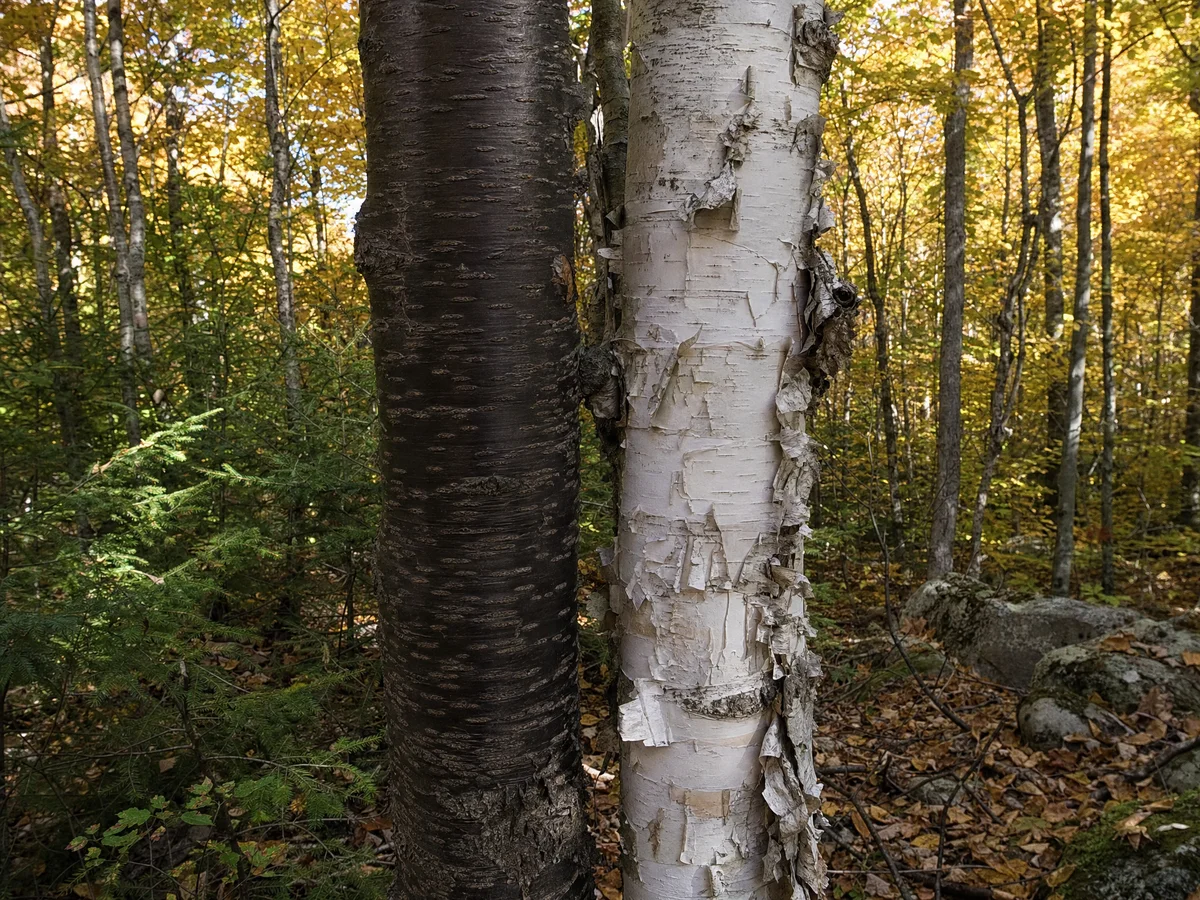
What does tell the sources apart is the trace chemistry. The 2022 survey found that genuine sweet birch oil carries small amounts of compounds such as o-guaiacol and veratrole, and that none of the 27 commercial "sweet birch" oils it bought had them. Some of those commercial samples carried markers of wintergreen oil or of synthetic methyl salicylate instead. The takeaway is that a full GC-MS report, read by someone who knows birch, is the document that answers the origin question. A single headline figure, even a flattering one like 99%, does not, because the authentic range already runs that high.
Keeping your paperwork in order
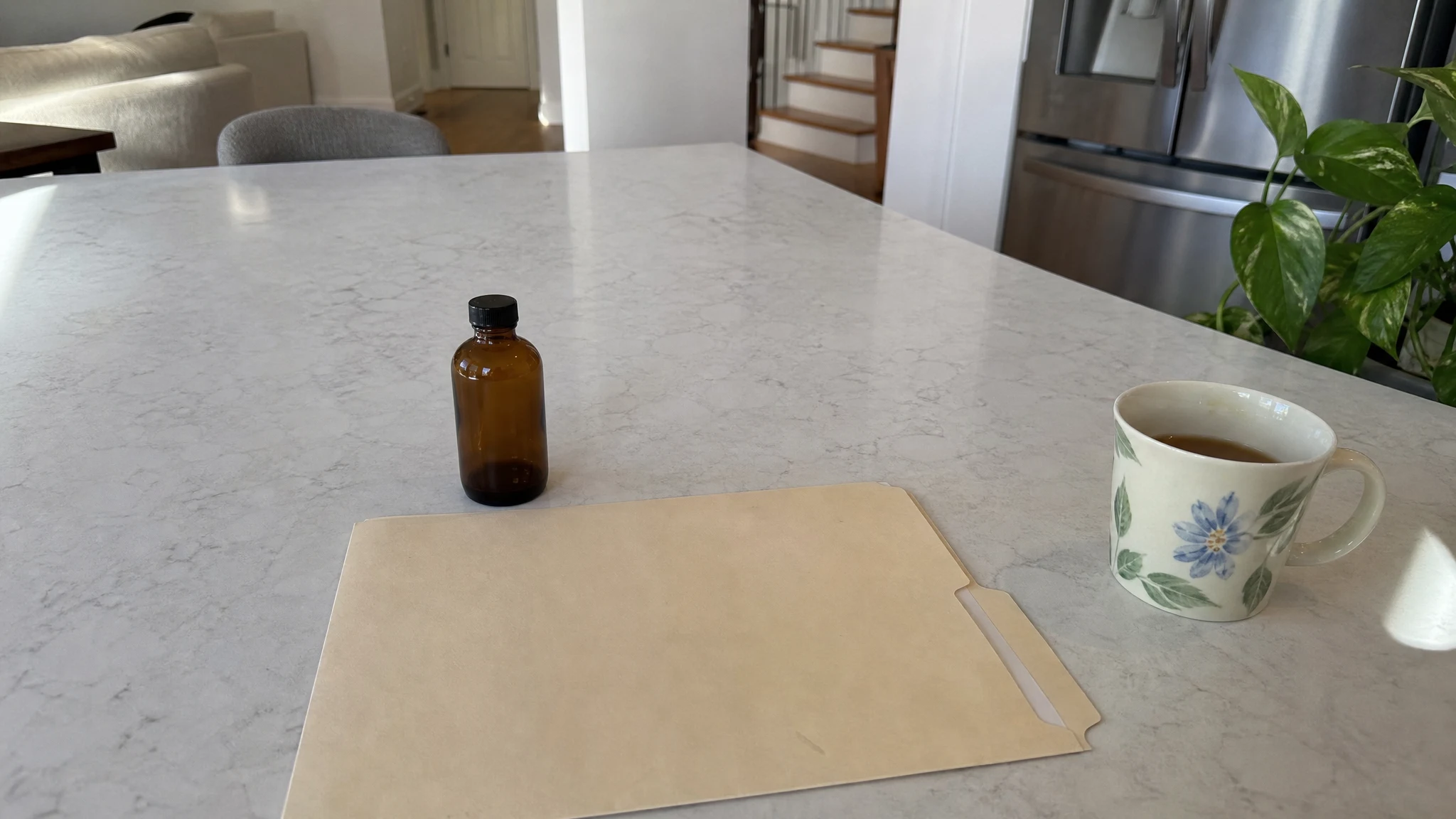
A certificate is only useful if you can find it again. A simple habit: write the batch number on the label of the bottle you are using, and keep a folder, paper or digital, with the certificate, the date you received the oil and any answers you got from the seller. If you ever need to explain what is in your product, you will be glad you did. It is dull work, and it is the kind that makes a small business trustworthy.
Using a certificate well
- Match the batch number on the document to the number on your bottle. A certificate covers a batch, not a brand.
- Ask what each line was measured with, and who measured it.
- If origin matters to your product, ask for GC-MS with the full compound list and ask whether a natural-versus-synthetic test was run.
- Read the safety data sheet too. Our guide to reading a birch oil SDS walks through it.
None of this changes how carefully birch oil is handled. Natural or not, methyl salicylate is the same compound on skin and in the mouth, and the MSD Manual notes that under 5 mL of oil of wintergreen carries roughly 7,000 mg of aspirin-equivalent (MSD Manual). Keep it away from children, pets, pregnancy and anyone on blood thinners or sensitive to aspirin, and see our note on aspirin sensitivity.
If a line on any certificate puzzles you, please ask. We would rather answer a question than have you guess, and the same goes for any seller you are comparing us with.
Our own approach is simple: use a certificate to rule things out, ask for the trace profile to rule things in, and keep going through our buying checklist when you compare sellers.
Birch Essential Oil
Birch Essential Oil from our own shop, in sizes from 1 oz to bulk.
From $17.99
Shop Now →Sources & Further Reading
- Dosoky NS, Poudel A, Satyal P, 2022. Authentication and Market Survey of Sweet Birch (Betula lenta L.) Essential Oil. Plants 11(16):2132. pmc.ncbi.nlm.nih.gov/PMC9412571
- PubChem, Methyl salicylate (CID 4133), experimental properties. pubchem.ncbi.nlm.nih.gov/compound/4133
- MSD Manual Professional Edition, April 2025. Aspirin and Other Salicylate Poisoning. msdmanuals.com