Why Does Birch Oil Smell Like Root Beer?
Open a bottle of sweet birch oil and the first thing many people say is "root beer." They are not imagining it, though root beer's classic flavor was sassafras rather than birch. The resemblance comes down to one molecule, and the history around it is more interesting than the usual nostalgia story.
The molecule in the middle
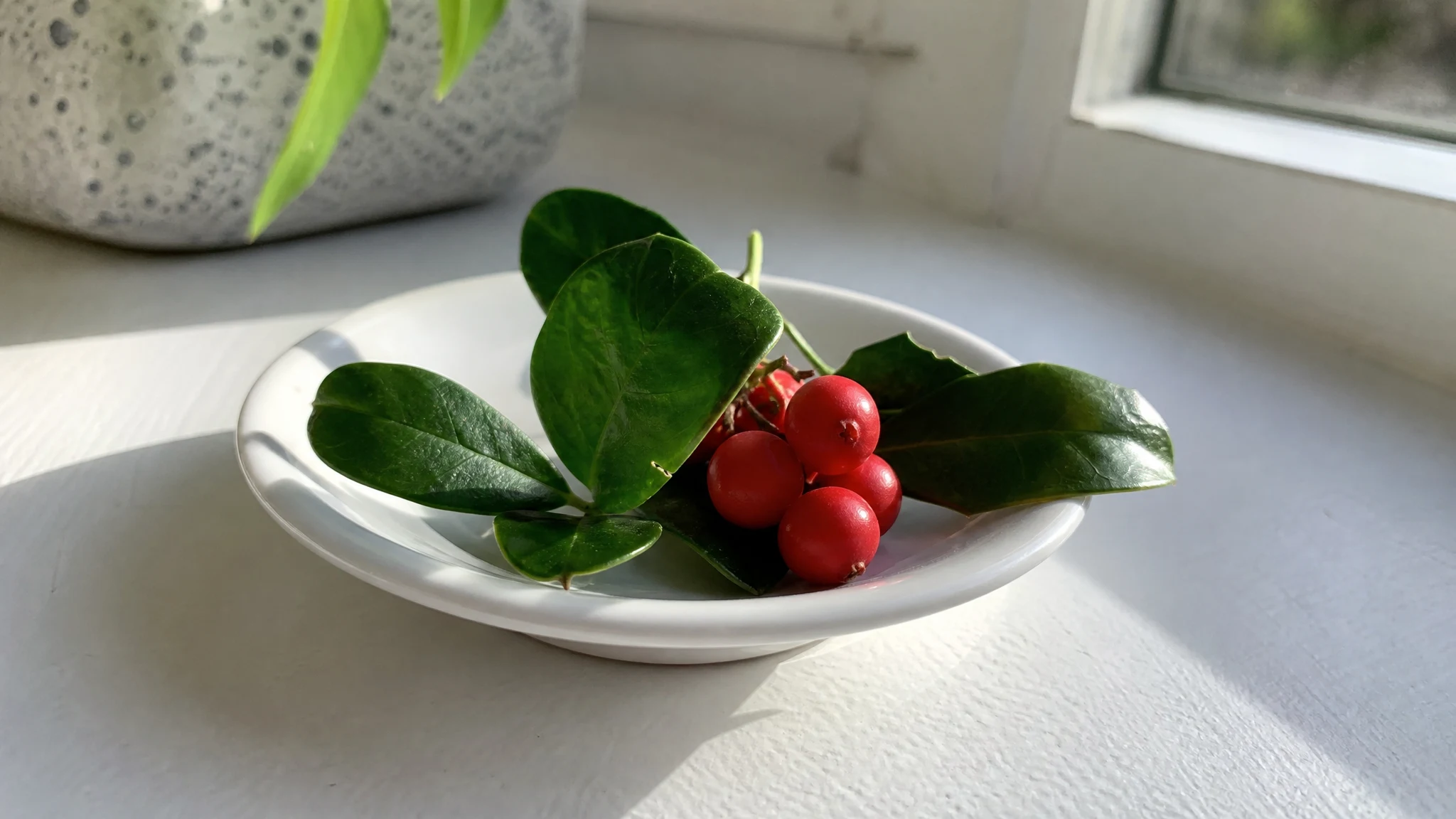
Methyl salicylate was first isolated from wintergreen (Gaultheria procumbens) by Cahours in 1843. Commercial supplies once came from distilling sweet birch and wintergreen twigs, and most today is made synthetically (Wikipedia, Methyl salicylate). Perfumers and flavorists describe its aroma as wintergreen, minty, sweet and, yes, root beer. Authentic sweet birch oil is almost all of it, 93% to 99.8% in a 2022 analysis of authentic sweet birch oils. We describe our own oil as "winter woods and old-fashioned root beer at once," and that is the molecule talking.
What your nose does with it
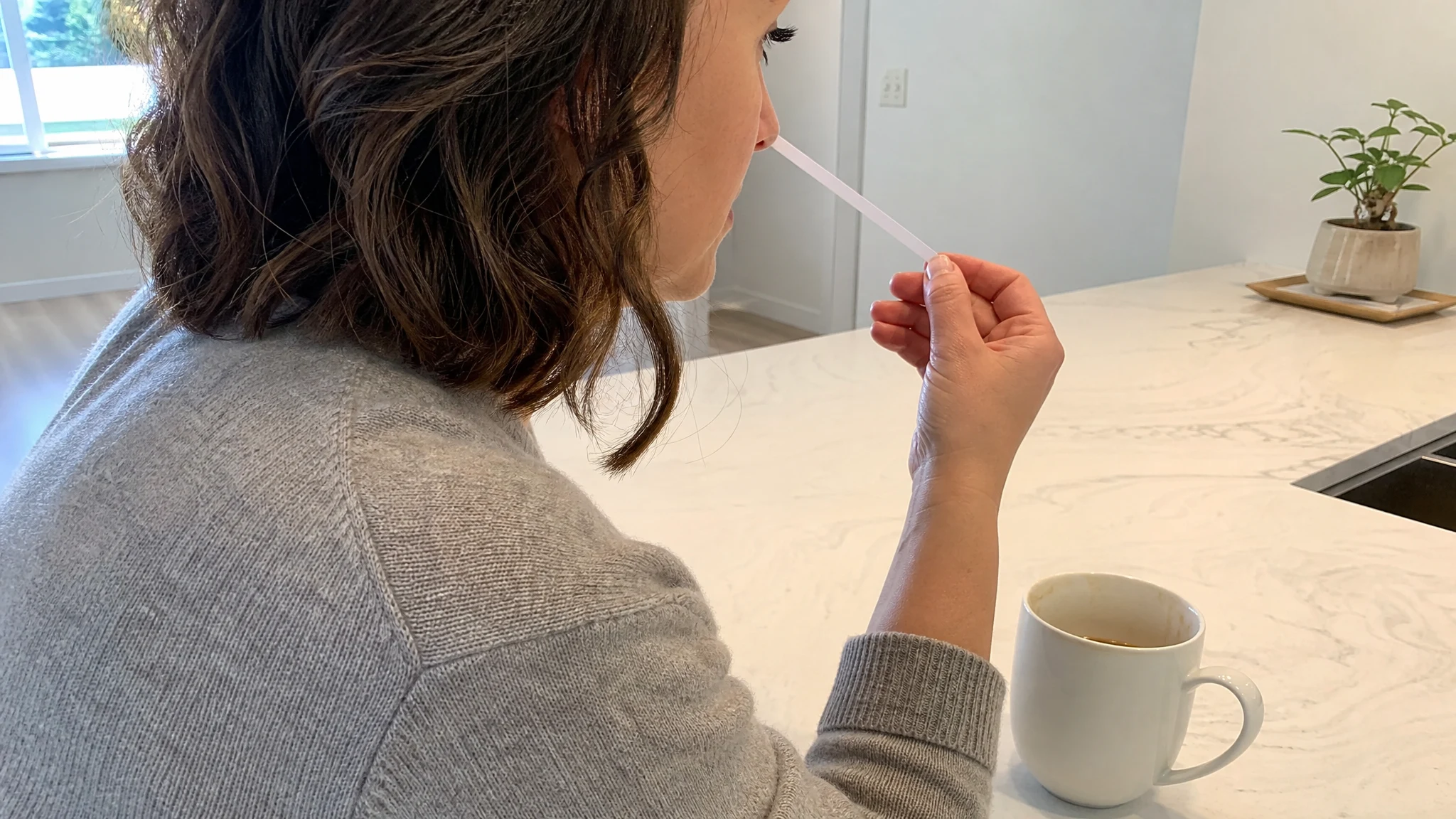
Try this when you open a bottle. Hold it near, take one gentle sniff and say the first word that comes to mind. For a lot of people it is "root beer", for others "wintergreen gum", "candy cane" or "old-fashioned soda fountain". All of those are the same sweet, cool smell wearing different memories. Then wait a minute, let your nose reset, and sniff again. You may notice a drier, woody edge behind the sweetness that you missed the first time.
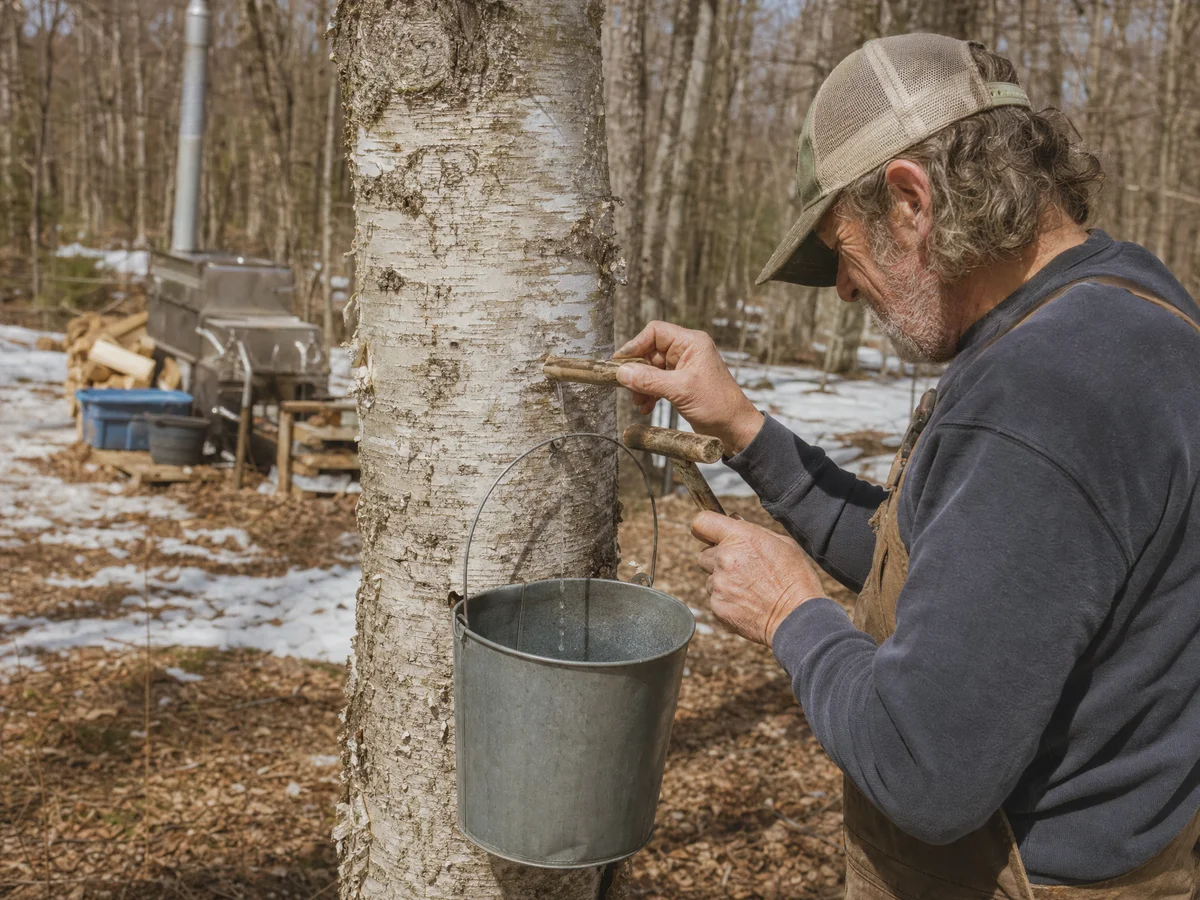
That is worth knowing, because the first impression is mostly sugar and the second is mostly bark. A scent that changes between sniff one and sniff three is a pleasure on a blotter strip and a good reason to judge a blend at several moments instead of one.
Birch beer: sap first, then bark
Birch had its own drinking life long before anyone bottled root beer. The earliest recipe the birch beer record points to is John Worlidge's 1676 Vinetum Britannicum, which ferments birch sap with sugar and spices into what he called "a most delicate brisk Wine" (Wikipedia, Birch beer). That is an English sap wine, not a soda and not an oil.
The modern soft drink is usually carbonated and flavored with distilled bark extract or artificial flavorings, and black (sweet) birch is the most common source of the extract in the northeastern United States. Even the color is regional: clear birch beer is more common in New England and dark red in the Mid-Atlantic. In parts of Pennsylvania, a vanilla ice cream float made with it is a birch beer float.
Root beer and the sassafras story
Written root beer recipes turn up in the 1830s. Pharmacist Charles Elmer Hires is credited with a sassafras "root tea" in 1875 and a commercial version at the 1876 Philadelphia Centennial Exposition, though historians dispute parts of that tale. In 1960 the FDA banned safrole, the troublesome component of sassafras, from commercially mass-produced foods and drugs (Wikipedia, Root beer).
The same article notes that traditional recipes paired sassafras with wintergreen, that early root beers also used birch bark, and that wintergreen and sweet birch remain common flavorings today. Putting the dates together suggests that once sassafras was out, the wintergreen side of the flavor carried more of the load. That is our inference, not something the sources state.
Where root beer scent feels at home
Because the smell is so tied to old-fashioned soda counters, it works best in rooms and projects with a bit of warmth and play in them: a cabin shelf, a workshop, a candle on a porch table in autumn. It can feel out of place in a bathroom or a formal living room, where people expect florals or fresh linen. Picture the setting first and the scent second, and you will make better choices than if you start from the oil.
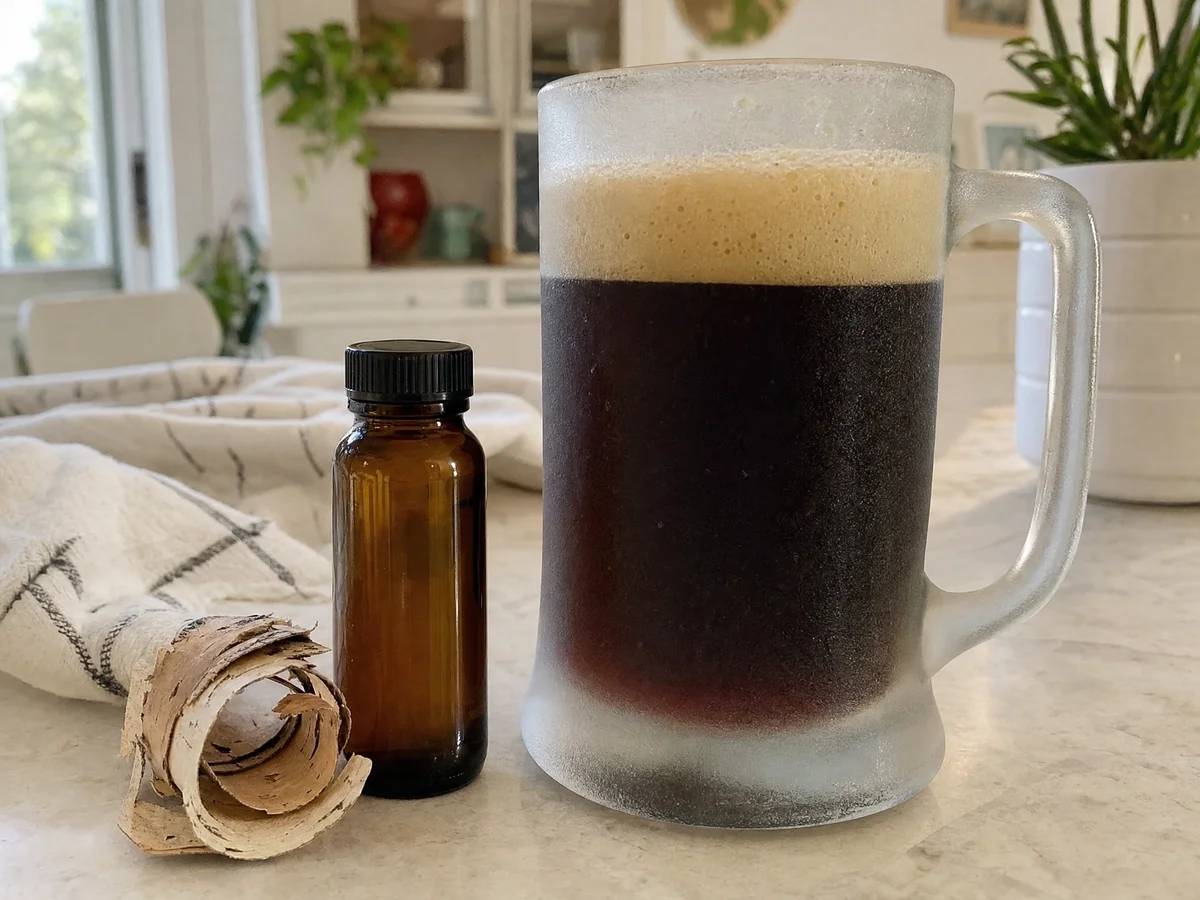
Pair it with things that suit the story. A little vanilla makes it rounder and more like a float, and a woody partner such as cedarwood takes the sugar down a notch and makes it more like a cabin. You will find both of those at a craft or aromatherapy supplier, since we sell only the birch.
Keep the nostalgia in the room, not the glass
Because birch beer and root beer exist, people ask whether the oil can go in a drink. It cannot. Food flavorings use methyl salicylate at trace levels inside a regulated industry, while our oil is sold undiluted as a fragrance and craft material and is not for internal use. Sweet birch oil has caused serious poisoning, including deaths in children who swallowed it, and the Tisserand Institute, citing Essential Oil Safety, advises against it in children of any age, in pregnancy and with blood thinners (Tisserand Institute). Swallowing questions belong with a physician or poison center.
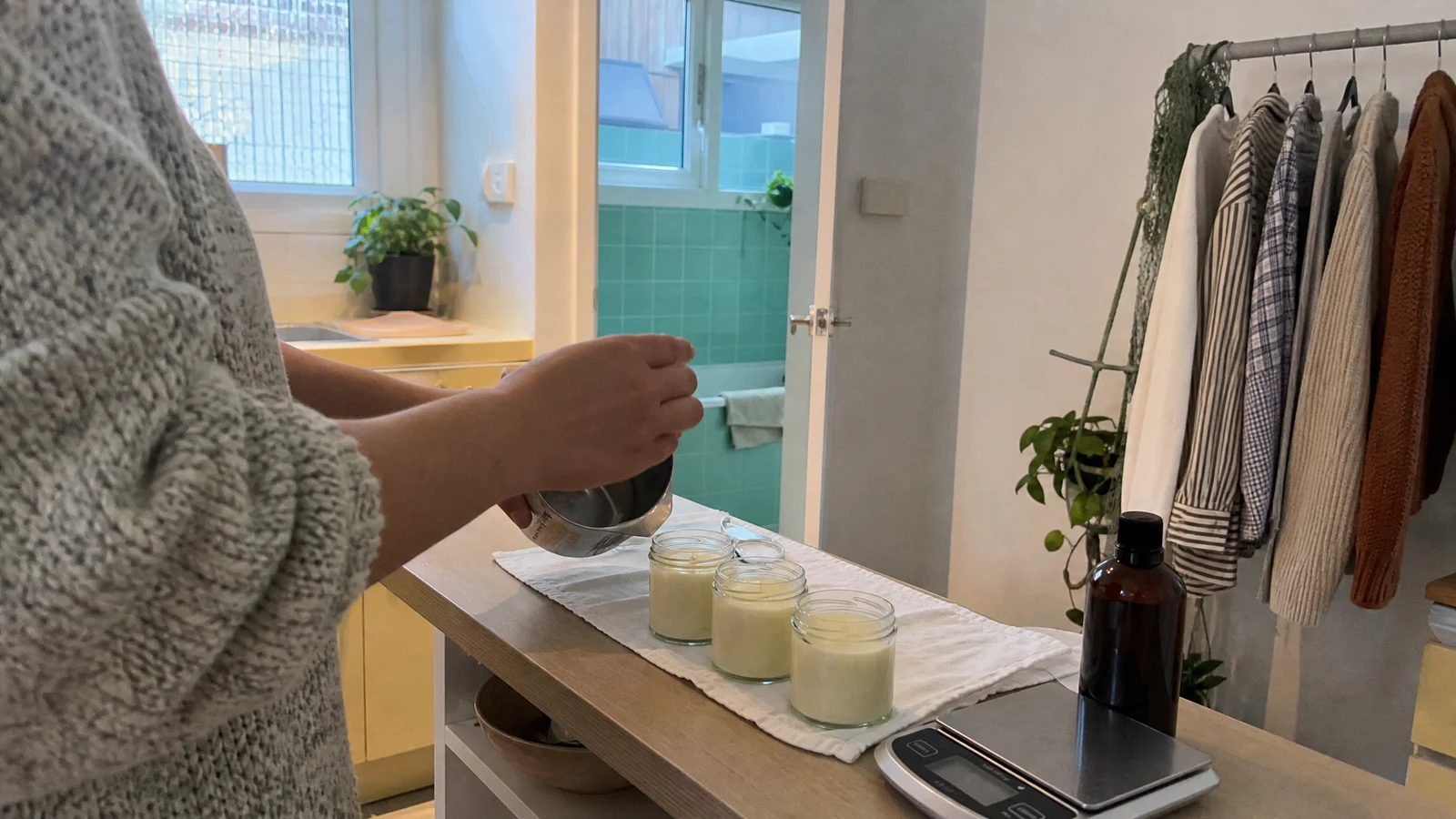
Wax, on the other hand, is a happy home for that cozy, candy-sweet note. Our root beer candle formulation keeps the oil in the candle where it belongs, and our post on what birch oil smells like unpacks the rest of the scent.
If the root beer story made you curious, the best next step is the simplest: put one drop on a blotter strip, label it, and smell it again the next morning. That slow change is half the fun.
Birch Essential Oil
Birch Essential Oil from our own shop, in sizes from 1 oz to bulk.
From $17.99
Shop Now →