Birch Oil Benefits: What It Really Does for Scent
Search for "birch oil benefits" and you will find a lot of big promises. Here is the honest version from people who love the oil: its real gift is its aroma, a bright, sweet, cool, wintergreen-like scent with a woody, candy-shop edge, and it needs only a trace to make itself known. We sell it as a fragrance material and make no health or skin claims for it, which leaves plenty to say about what it does well.
The benefit is the scent
One molecule explains why birch smells the way it does. In a 2022 analysis of 21 authentic sweet birch oils, methyl salicylate made up between 93% and 99.8% of each (Dosoky et al., 2022). Perfumers class it as a heart note, and ScenTree says a very low dilution is enough to notice its impact (ScenTree). The practical lesson is that birch behaves like a seasoning rather than a main ingredient. Used at the level of a main ingredient, a blend will read as wintergreen and little else; used in a trace over a wood, it adds a cold sparkle that is hard to find elsewhere. Our dilution ladder shows how to find that level, and the smell guide describes the aroma in more detail. Words like "clean" and "fresh" are impressions of a room, not measurements, so we keep them to scent.
Where birch shines
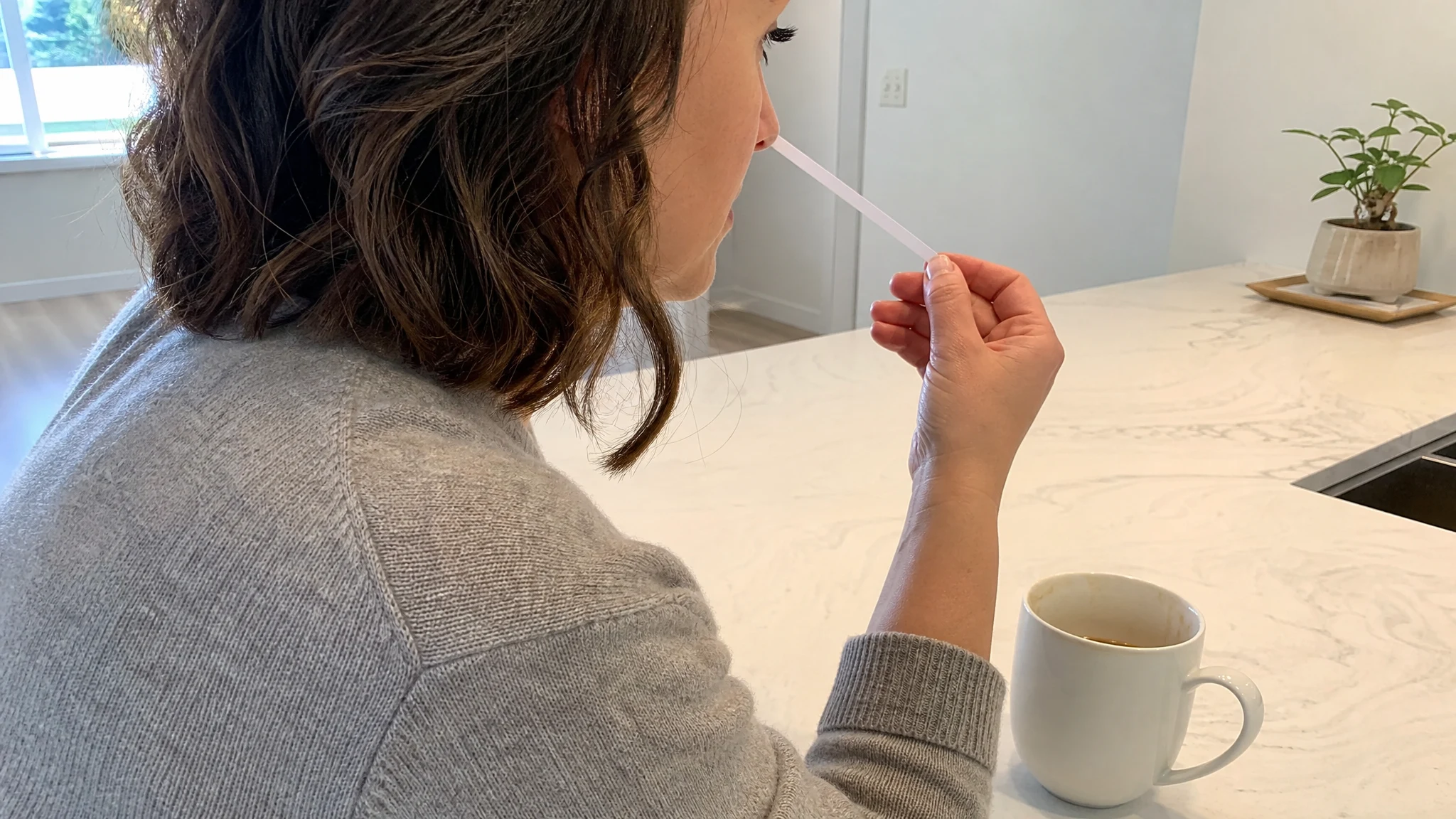
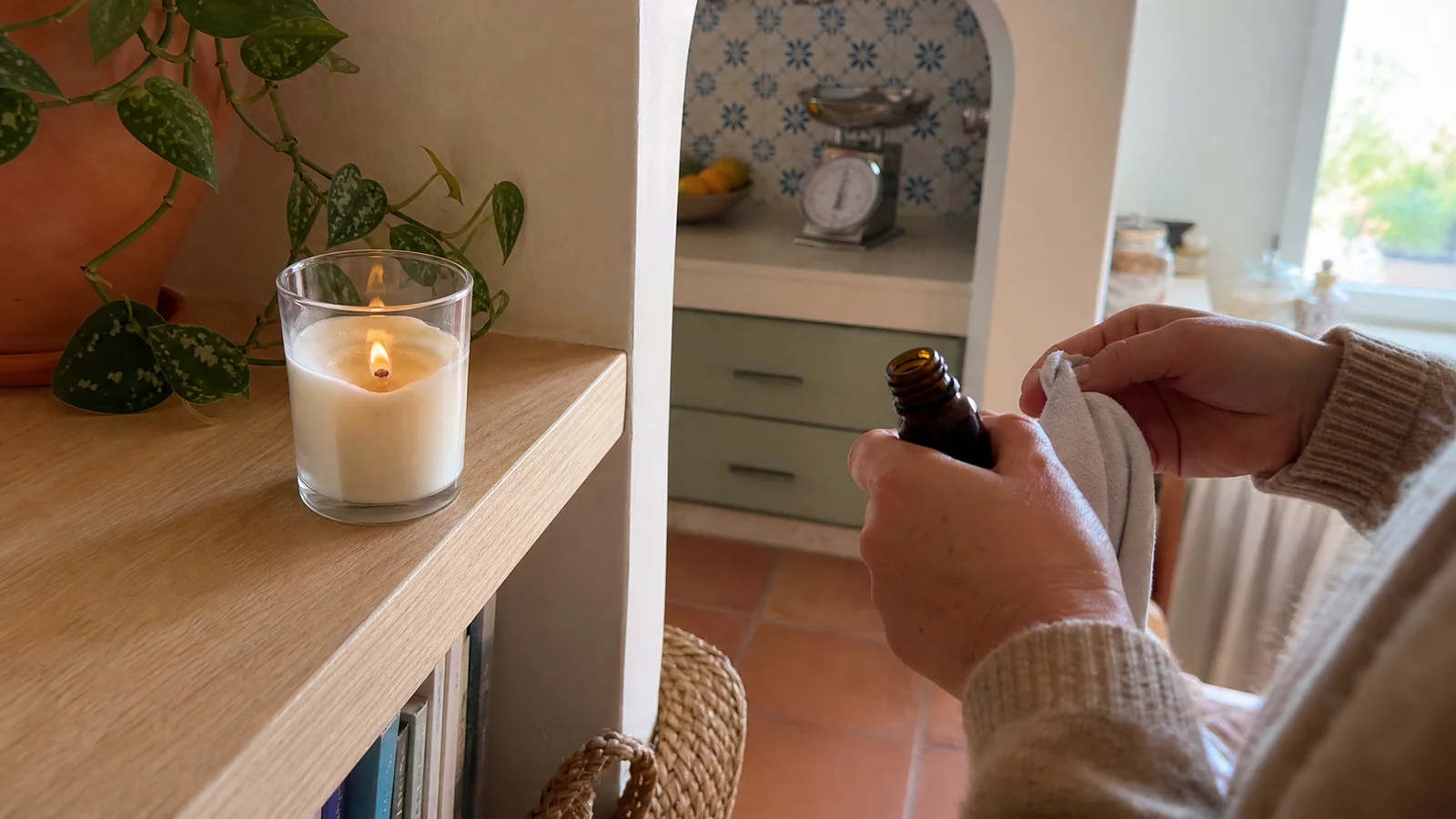
Ask us what we like best about this oil and the answer is always about the first moment. You open the bottle, and the room suddenly smells like a snowy trail and a candy shop. It is a surprising, happy smell, and it is very good at making a small space feel like a particular place. A single drop in the right blend makes people lean in and ask what it is.
What a fragrance product can say
The US FDA separates cosmetics from drugs by intended use. Cosmetics are things applied to the body to cleanse, beautify or promote attractiveness. A product is a drug if it is meant for the diagnosis, cure, mitigation, treatment or prevention of disease, and FDA says labeling, advertising and online content can all establish that intent. Its own example is that a fragrance marketed with a claim that the scent will help you sleep meets the definition of a drug (FDA). FDA also notes there is no regulatory definition of "essential oil" and that fragrance ingredients can be listed simply as "Fragrance" (FDA, Fragrances in Cosmetics).
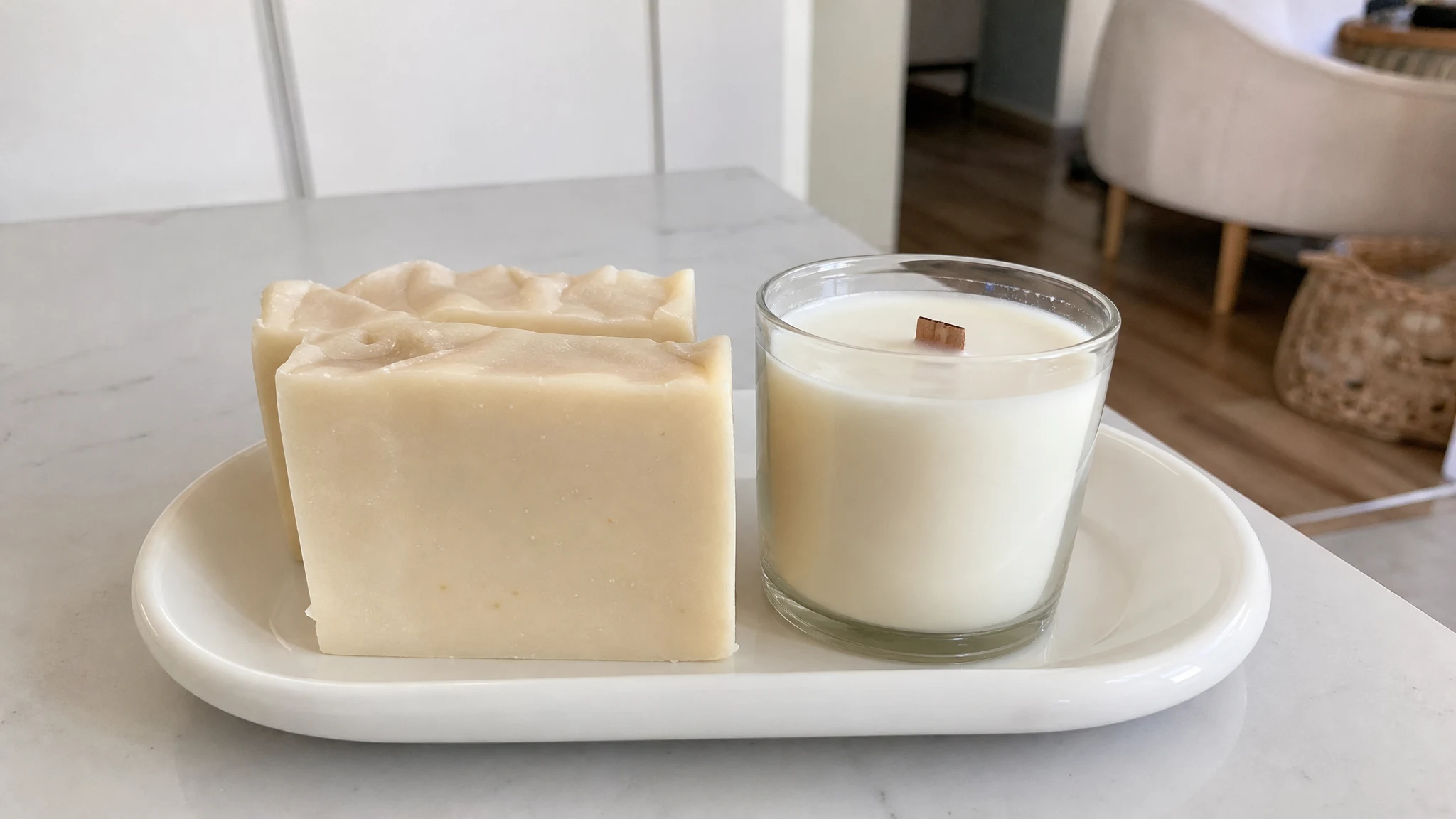
So a birch candle, soap or room spray can say what it smells like. Once copy starts to promise relief, calm or muscle comfort, it enters drug territory. Birch has a traditional association with rubs, and we leave that argument alone. We would rather sell you a reliable aroma than a promise.
Three numbers worth knowing
Because sweet birch oil is almost all methyl salicylate, limits written for the compound apply to it almost directly. They differ a lot. EU Regulation 2023/1545 allows methyl salicylate at 0.06% in leave-on skin products and rinse-off products other than hand wash, 0.6% in hand wash and hydroalcoholic fragrances, and 0.03% in lip products, and bars it from products for children under 6 (text of the regulation). The Tisserand Institute lists a topical maximum of 2.5% for sweet birch, along with advice to avoid it in children, in pregnancy and with blood thinners (Tisserand Institute). Our own general skin guidance is 0.5% to 2% in a carrier with a patch test.
These are three different kinds of rule, a regulatory cap for products sold in the EU, a professional maximum and a crafter's guide, and they cannot be averaged. We recommend following the stricter one whenever a product touches skin. Some arithmetic makes the gap concrete. A drop of about 0.05 ml of our certificate batch (density 1.183) weighs roughly 59 mg, so at 0.06% a 100 g lotion holds about one drop, while at 0.5% it holds eight or nine. A recipe calling for "10 drops in a jar of body butter" deserves a second look. Our dilution chart has the full batch math.
Who should sit this one out
The sources agree on the people for whom birch is not the right oil: children, anyone pregnant or nursing, and anyone on blood thinners or sensitive to aspirin. Poison Control notes that swallowing wintergreen oil is roughly equivalent to swallowing a large number of adult aspirin tablets (Poison Control); its page does not name birch, but sweet birch is similarly rich in methyl salicylate. In the US, liquids with more than 5% methyl salicylate by weight need child-resistant packaging (16 CFR 1700.14). Our pregnancy and children post and the aspirin sensitivity post go into the details, and a physician or pharmacist can answer personal questions.
Knowing what is in the bottle
A benefit sentence only means something if the bottle is birch oil. The same study found that 27 commercial US online products had methyl salicylate from 56.71% to 99.9%, and none contained the four markers all the authentic samples shared. Our buying guide explains how to ask. The Certificate of Analysis we publish covers one batch (BIRFBCUNUSC002A, Betula lenta) with a relative density of 1.183, a refractive index of 1.537 and optical inactivity. If you need the methyl salicylate percentage or GC-MS for your lot, ask us in writing through the contact page before ordering.
The short version: a striking wintergreen-led aroma, used in traces, in a handful of well-suited projects.
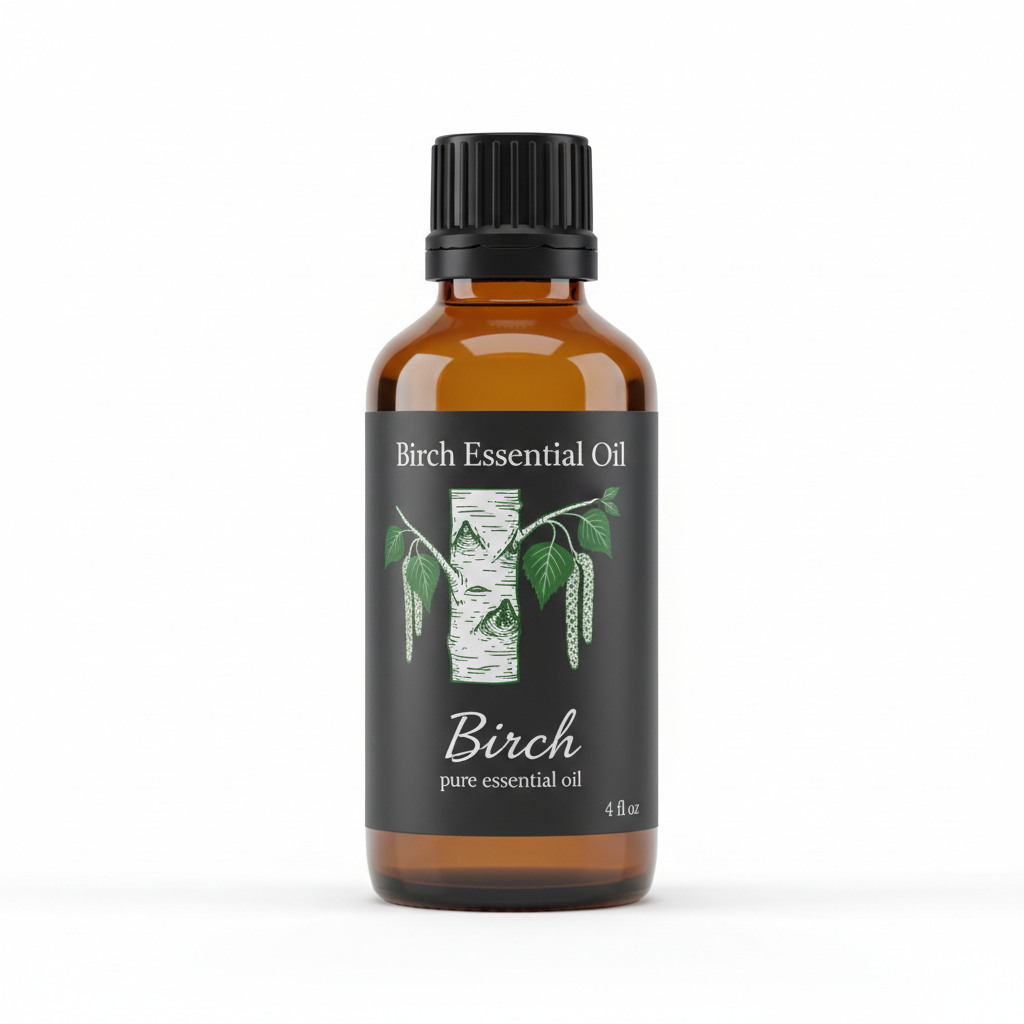
Birch Essential Oil
Birch Essential Oil from our own shop, in sizes from 1 oz to bulk.
From $17.99
Shop Now →Sources & Further Reading
- Dosoky NS, Poudel A, Satyal P, 2022. Plants 11(16):2132. pmc.ncbi.nlm.nih.gov
- ScenTree, Methyl salicylate. scentree.co
- FDA, Is It a Cosmetic, a Drug, or Both? fda.gov
- FDA, Fragrances in Cosmetics. fda.gov
- Regulation (EU) 2023/1545, Annex III entry 324. lawplayer.com
- Tisserand Institute, Methyl Salicylate (Part 5). tisserandinstitute.org
- Poison Control, Essential Oils. poison.org
- 16 CFR 1700.14. law.cornell.edu