Birch Oil Uses at Home: Where It Fits, Where It Doesn't
Sweet birch oil is mostly methyl salicylate, and that one fact sorts its home uses better than any long list. Some uses keep the oil locked in wax, glass or fabric, where it simply scents a room, and birch shines there. Others put it on skin, where the numbers get tight. A few are better left alone. Here is how we would sort them, and where we would start.
The idea behind the sorting
Methyl salicylate is absorbed through skin, and the Tisserand Institute advises against sweet birch and wintergreen in children of any age, in pregnancy and with blood thinners such as aspirin or warfarin, with a recommended topical maximum of 2.5% for sweet birch (Tisserand Institute). Our own guidance is 0.5% to 2% in a carrier with a patch test, and many crafters keep the oil for candles and room scenting. So the further a use keeps birch from skin and from small hands, the better it fits. Scale matters too: a trace is plenty, and a fragrance database rates the odor as strong enough to judge at 10% or less (Perflavory). Whatever you make, begin with less than you think you need.
Where birch is at home: scenting objects and rooms
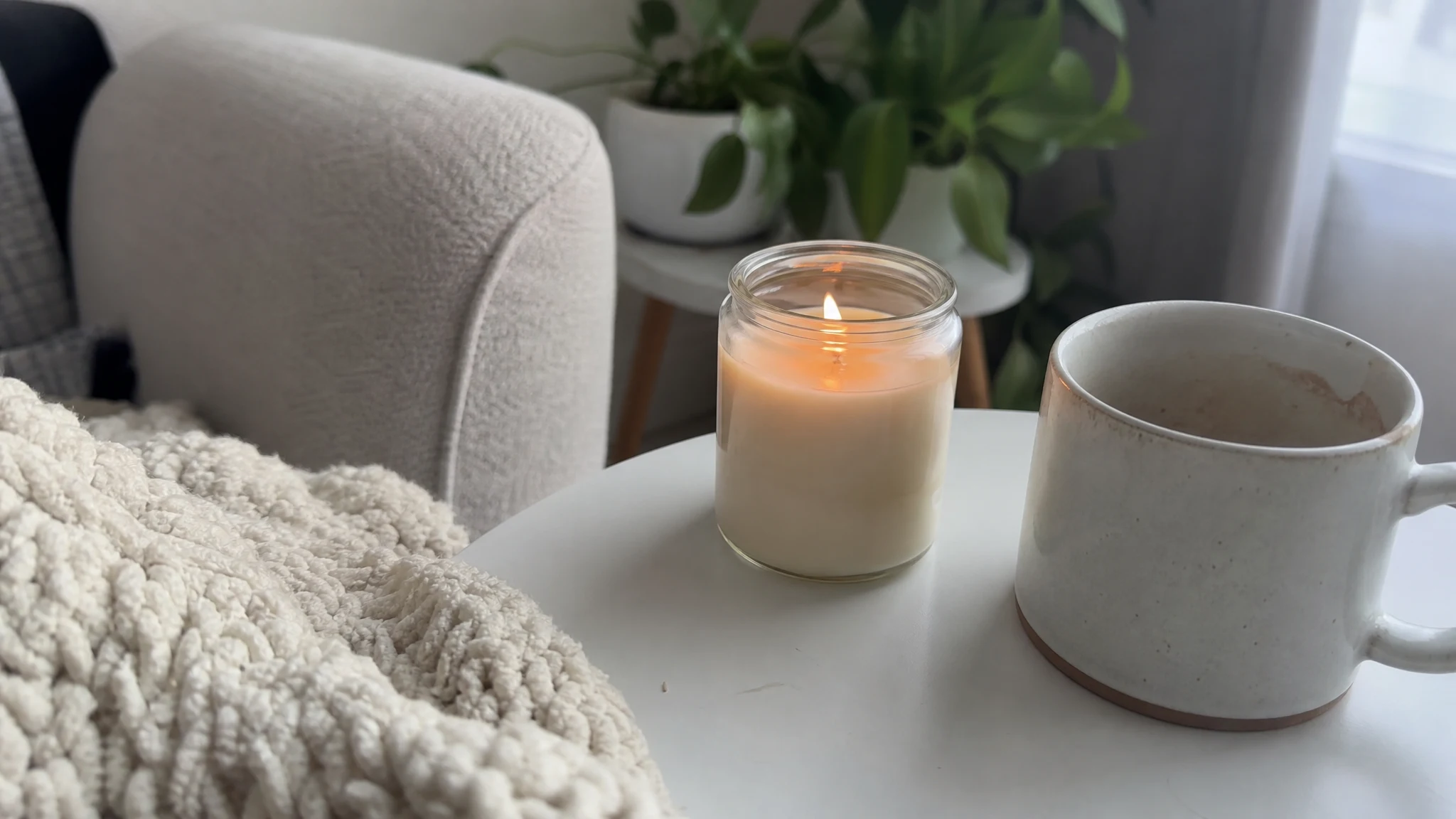
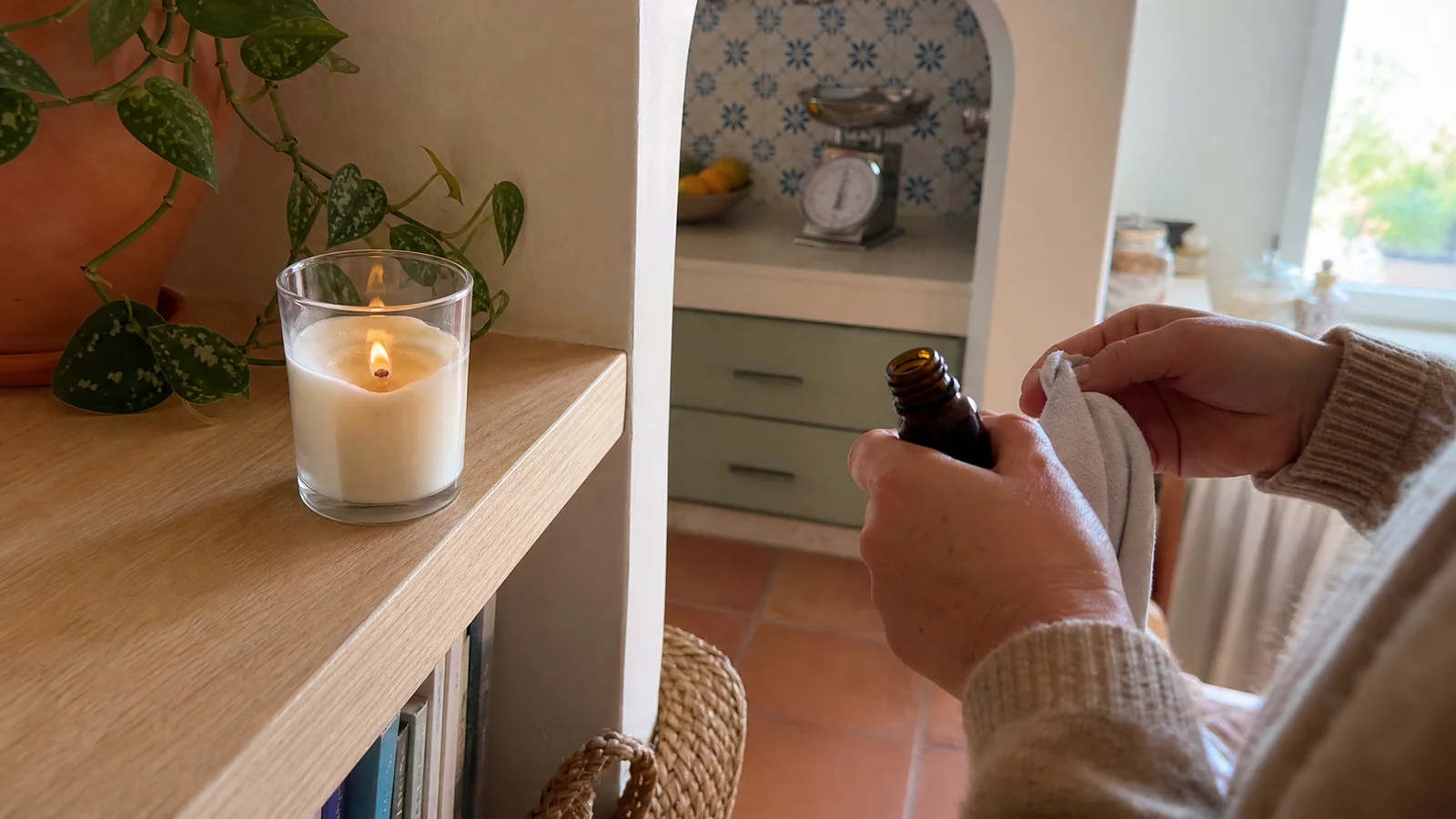
- Candles. The classic use. Wax, load and wick matter more than the oil, so go to our candle guide for numbers.
- Reed diffusers. Flameless and unheated, with the oil wicked slowly from a base. See the reed diffuser post.
- Room and linen sprays. The oil will not dissolve in water, so you need an alcohol base or a solubilizer; the room spray recipe has the ratios. Keep sprays off skin and off fabric worn for hours.
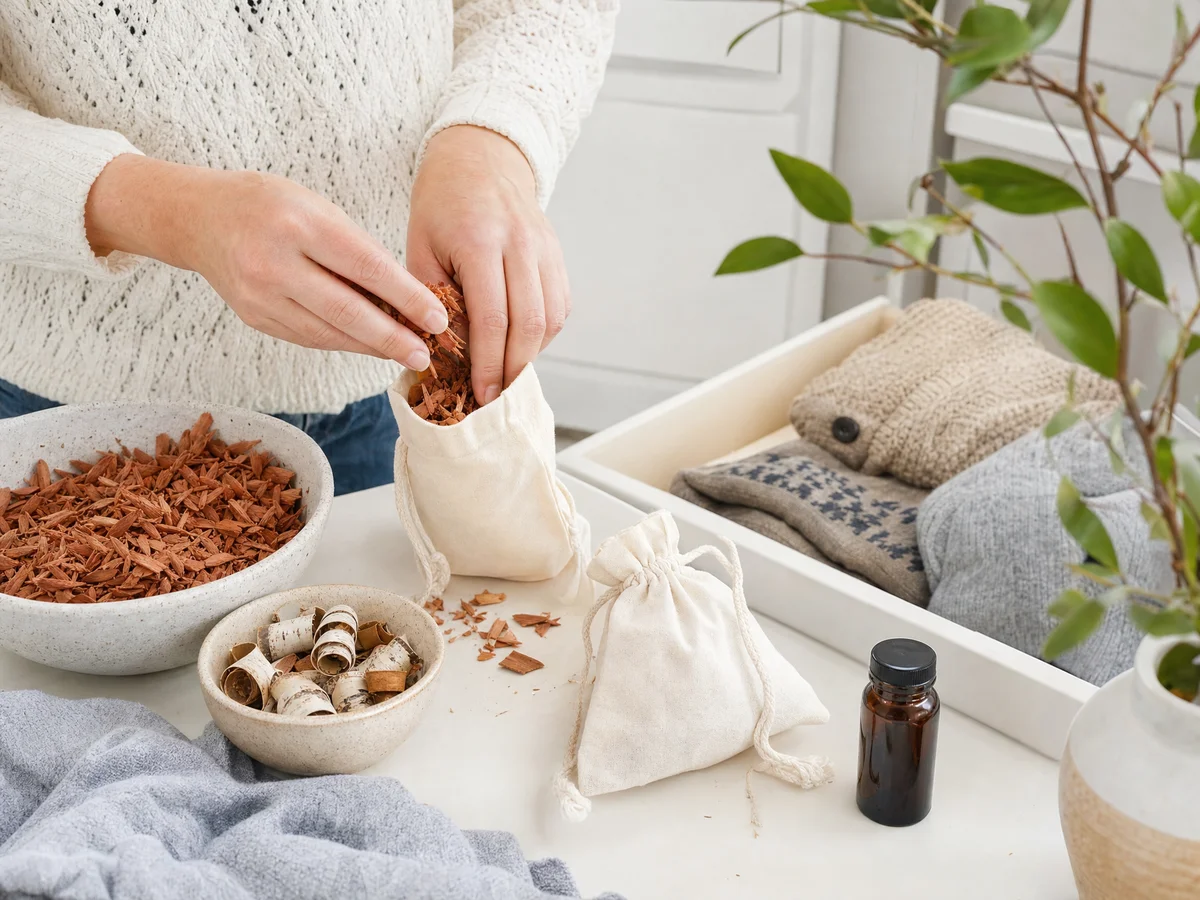
- Sachets and closets. A drop on an inert carrier, sealed and kept out of reach (see sachets for closets and gym bags). A sachet is a small package of concentrated oil, so it belongs on a high shelf.
Picture a candle on a dark afternoon, or a jar of reeds by a window: that cool, sweet, woody note drifting through a room is what birch does best. It pairs well with fir, cedarwood, vanilla, pine, spruce and sandalwood, and a trace is enough to flavor a whole blend, so let the other oils carry the body of the scent and let birch be the glint on top.
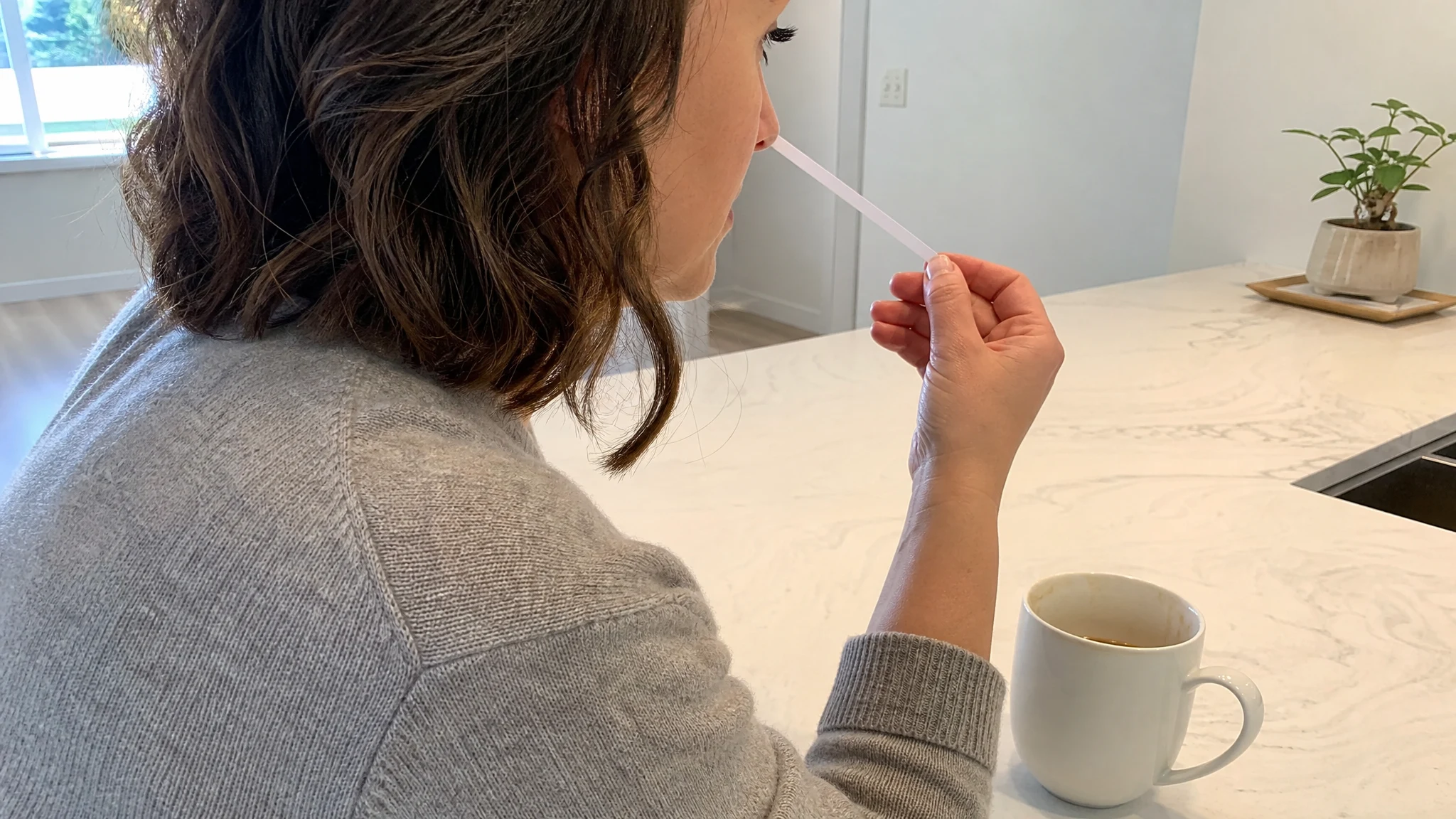
The nicest way to learn what a trace looks like is to start with a single drop on a paper strip, wave it gently and note what you smell at the start, after a minute and after ten. The scent changes as it sits, and knowing that before you plan a project saves a lot of guessing later.
Where the numbers tighten: skin contact
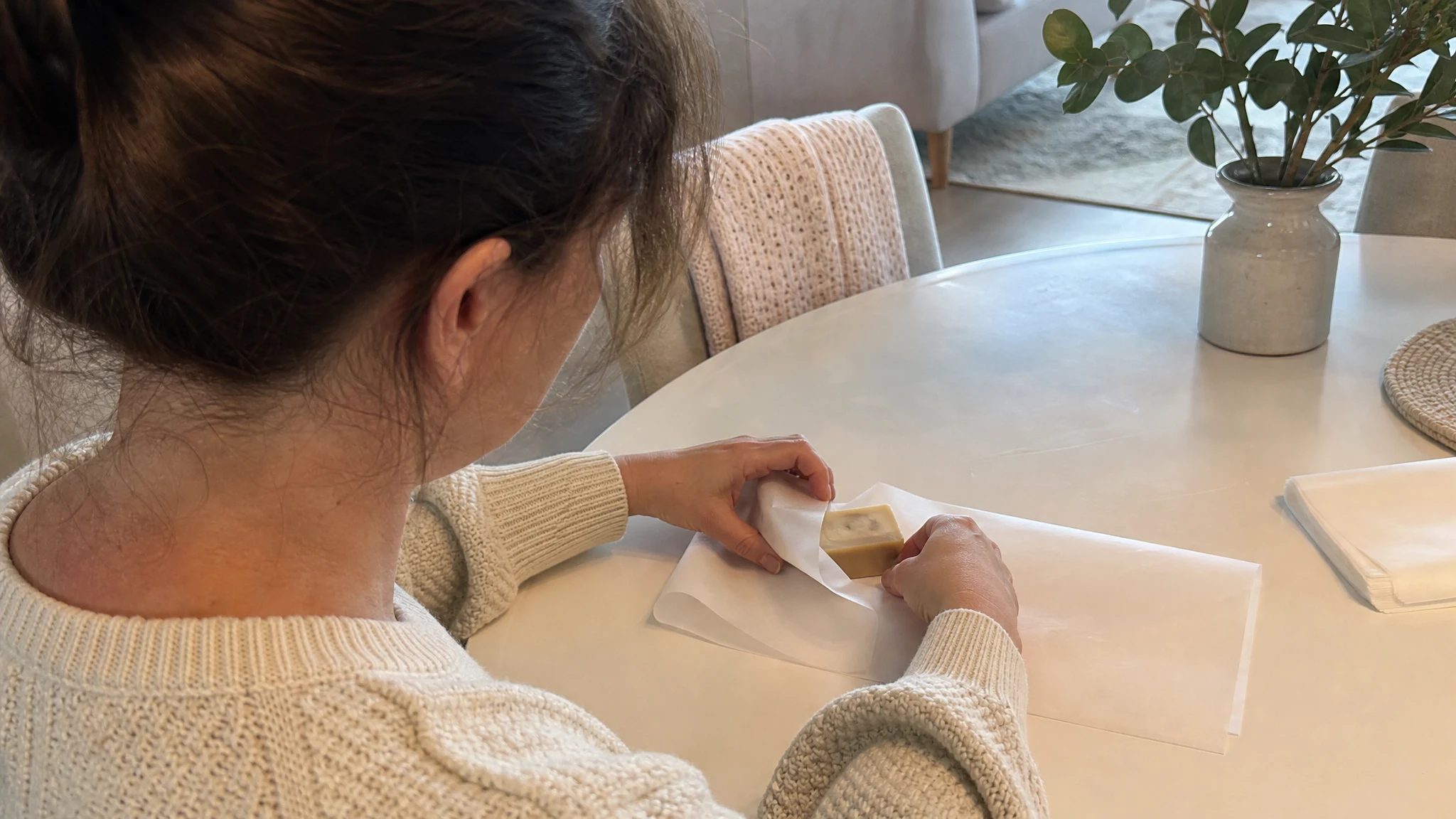
Soap and solid perfume are popular requests. Soap is rinse-off, so contact is shorter, and our melt and pour recipe is scaled to a legal limit; anything you sell carries labelling and IFRA duties beyond this post. Solid perfume sits on skin for hours, and the solid perfume recipe shows how small the dose has to be. As a sense of scale, at 2% a 100 g balm carries 2 g of oil, which is about 1.7 ml of the batch on our certificate (relative density 1.183), or roughly 34 drops at the usual figure of 20 drops to the milliliter. That is few enough drops that a freehand pour can overshoot without you noticing. If you cannot be sure who will wear or touch what you make, a candle is the kinder choice than a skin product.

Uses we would pass on
- Anything swallowed or tasted. Birch has a history as a flavor, and modern root beer uses methyl salicylate at about 0.04% and under (Wikipedia), but that is a food-industry formulation, not a kitchen trick. Our oil is not a food and should never be swallowed.
- Simmer pots. Heating neat oil in a pot that also cooks food puts a concentrated material in the kitchen. See why we skip it.
- Muscle rubs. Birch has a traditional association with them, but we make no medical claim for our oil. For muscle or joint complaints, a physician or pharmacist is the right call.
- Around pets. Keep the oil away from animals, and ask a veterinarian about anything more.
- Broken skin or under a dressing. Never.
Picking your first project
Three questions settle it. Who lives in or visits the space: if that includes children, a pregnant person or someone on blood thinners, the sources point away from bringing birch into the home. Does the finished piece touch skin: if so, you are in the second group, with its ceiling and patch test. And how much will you actually use: one ounce is about 29.6 ml, or roughly 35 g of our certificate batch, far more than a candle or reed diffuser needs, so the smallest size is the sensible first order.
Storing what is left
US rules (16 CFR 1700.14) require child-resistant packaging for liquid preparations containing more than 5% methyl salicylate by weight, with pressurized sprays exempt (16 CFR 1700.14). Neat birch oil sits above that line, so keep it capped, cool, dark and high, as our shelf-life guidance of typically 2 to 3 years assumes. If you decant a working amount, label it clearly.
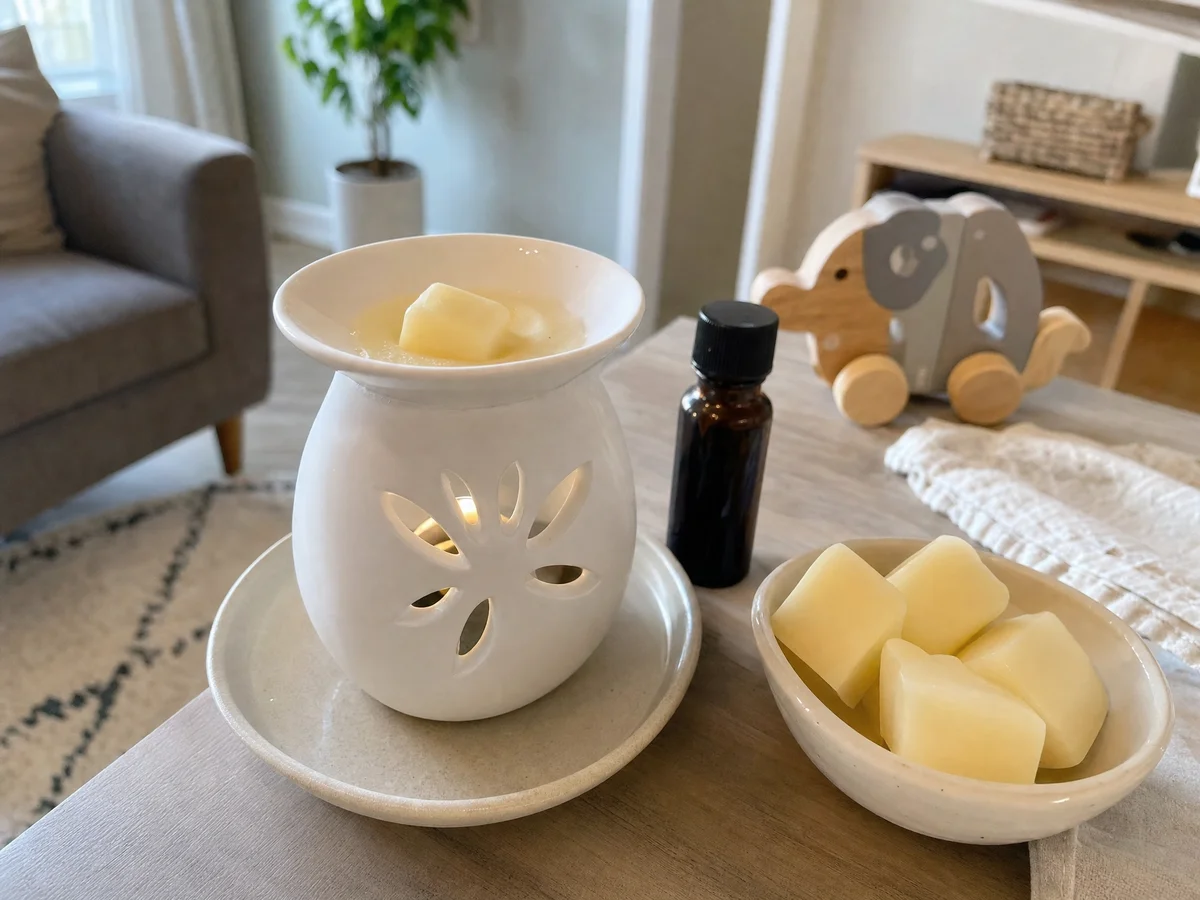
For most households the answer fits in a sentence: a candle, a reed diffuser or a sealed sachet, a small pinch of oil, and a high shelf.
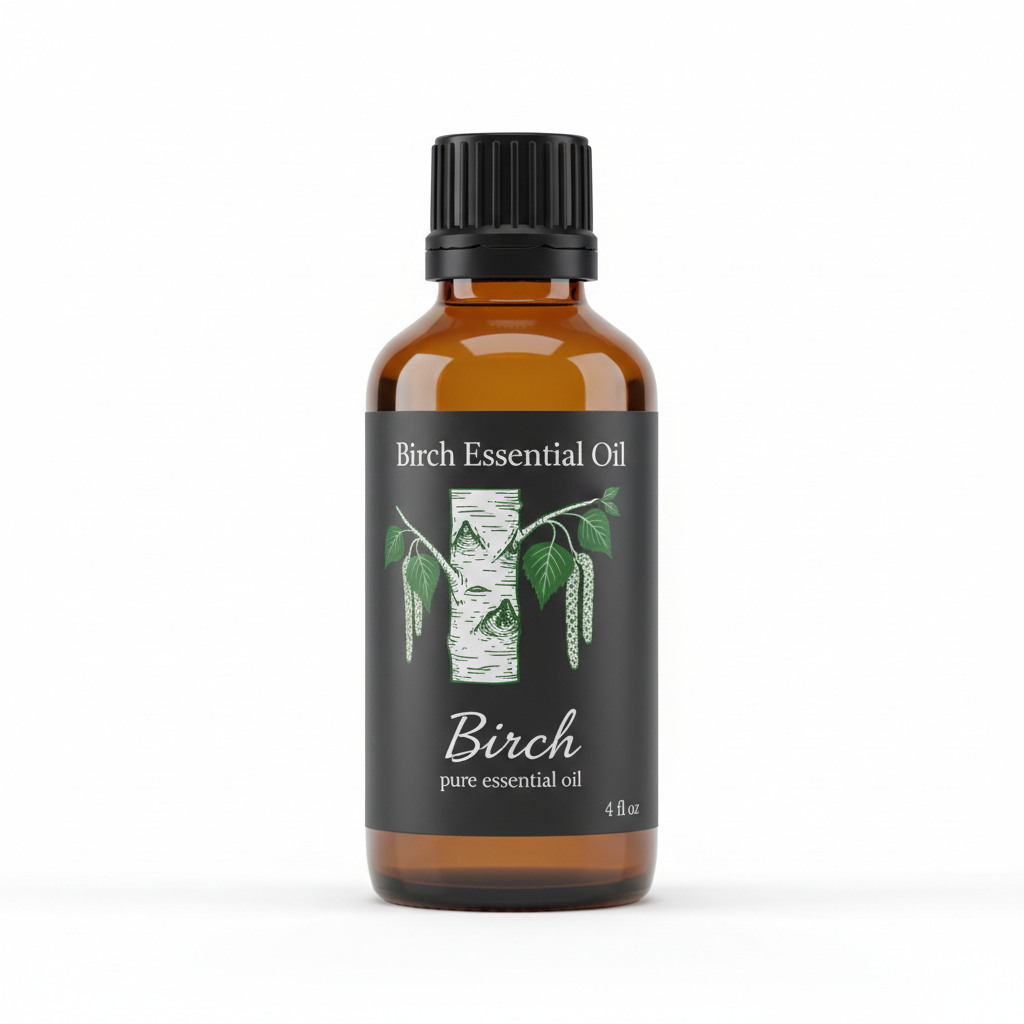
Birch Essential Oil
Birch Essential Oil from our own shop, in sizes from 1 oz to bulk.
From $17.99
Shop Now →Sources & Further Reading
- Tisserand Institute, Methyl Salicylate (Part 5). tisserandinstitute.org
- Perflavory, Betula lenta bark oil. perflavory.com
- Wikipedia, Methyl salicylate. en.wikipedia.org
- 16 CFR 1700.14, Substances requiring special packaging. law.cornell.edu