Birch Tar Leather Perfume: Where the Smoke Comes From
If you want a perfume that smells like old Russian leather, the smoky, tarry heart of that style comes from birch tar, a product of burning rather than steam, and not from the sweet birch oil we sell. The two share a tree genus and little else. Knowing where the smoke comes from makes it much easier to decide what to build.
Where the leather association comes from
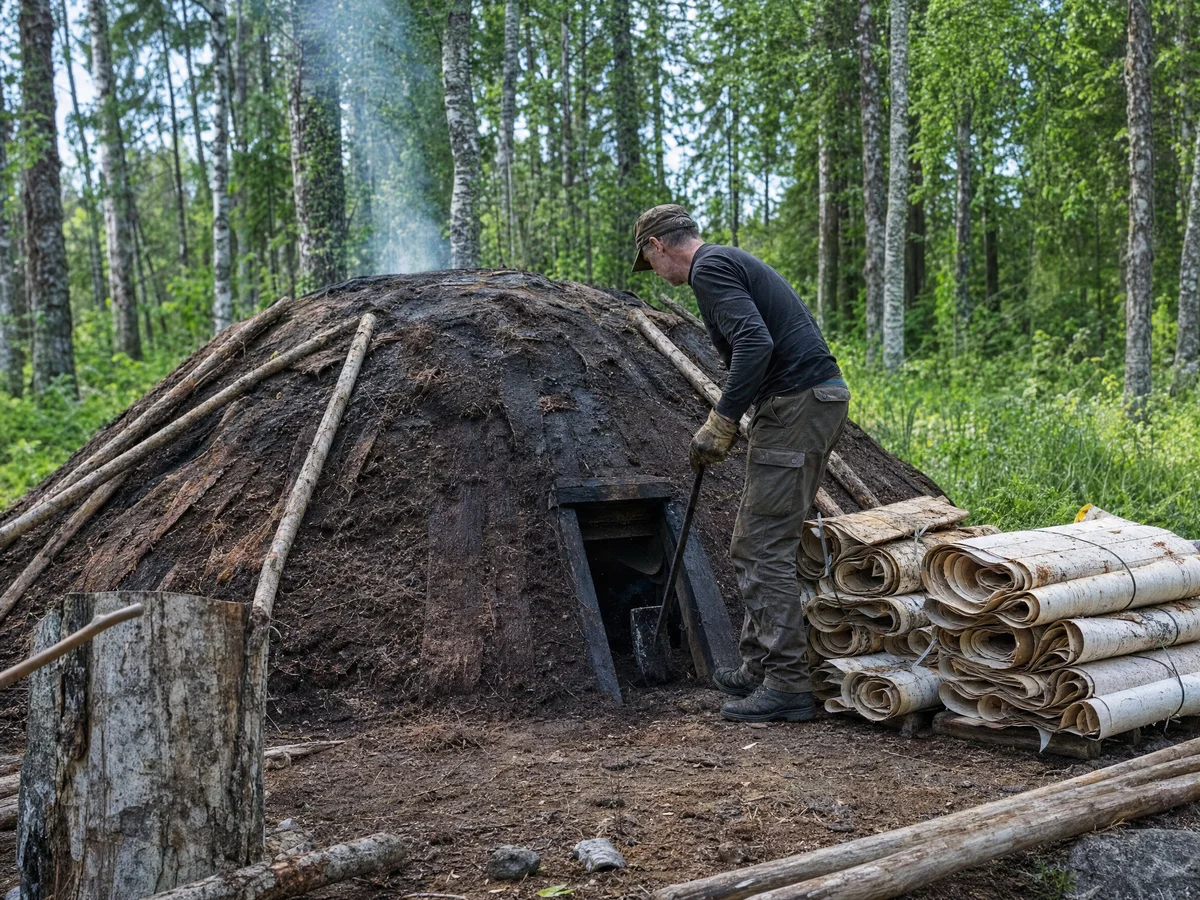
Birch tar is made by dry distillation of birch bark or wood. The 1911 British Pharmaceutical Codex describes it as prepared in Russia by the destructive distillation of the wood and bark of Betula alba, lists guaiacol, cresol and pyrocatechol among its constituents, and notes a rectified oil made by steam distilling the crude tar (British Pharmaceutical Codex, 1911). Phenols like these are smoky and medicinal, which is a long way from the cool, sweet character of sweet birch.
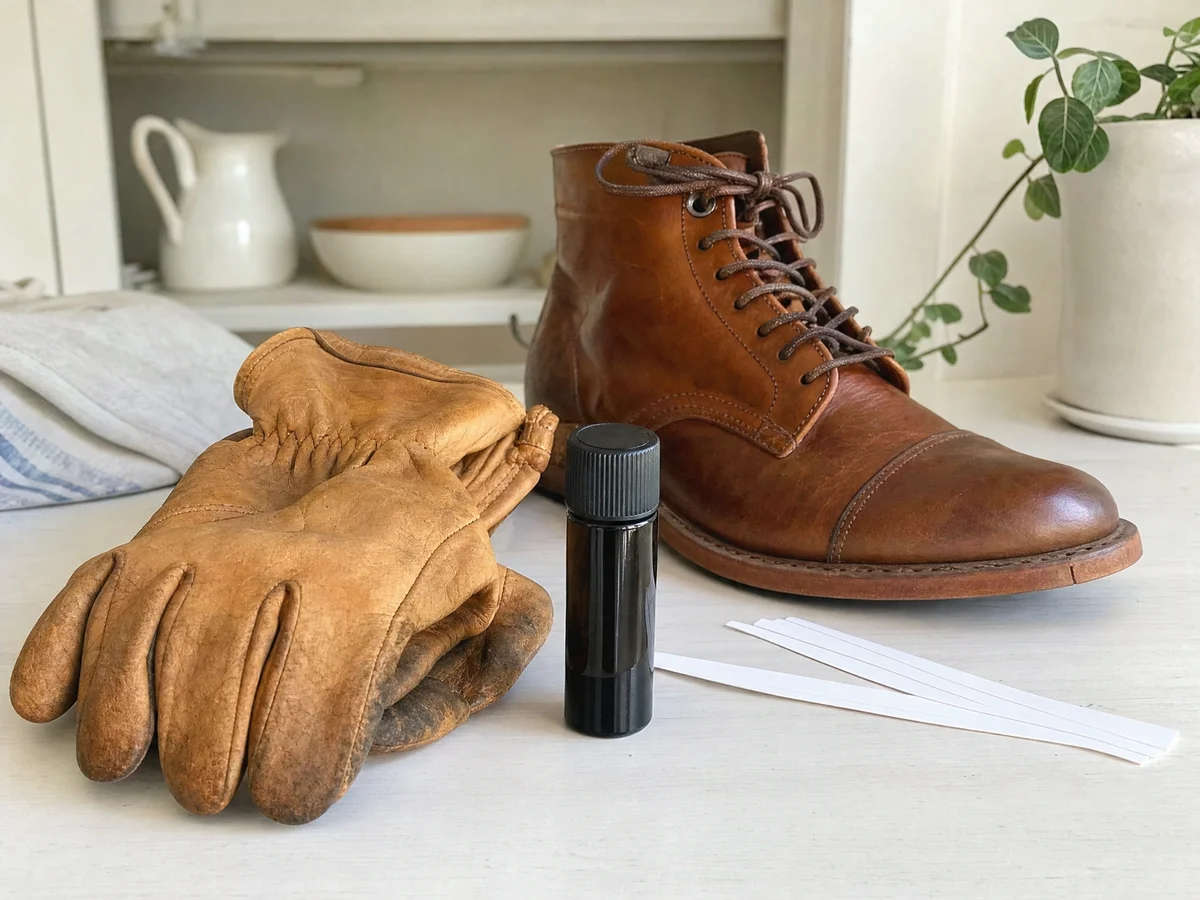
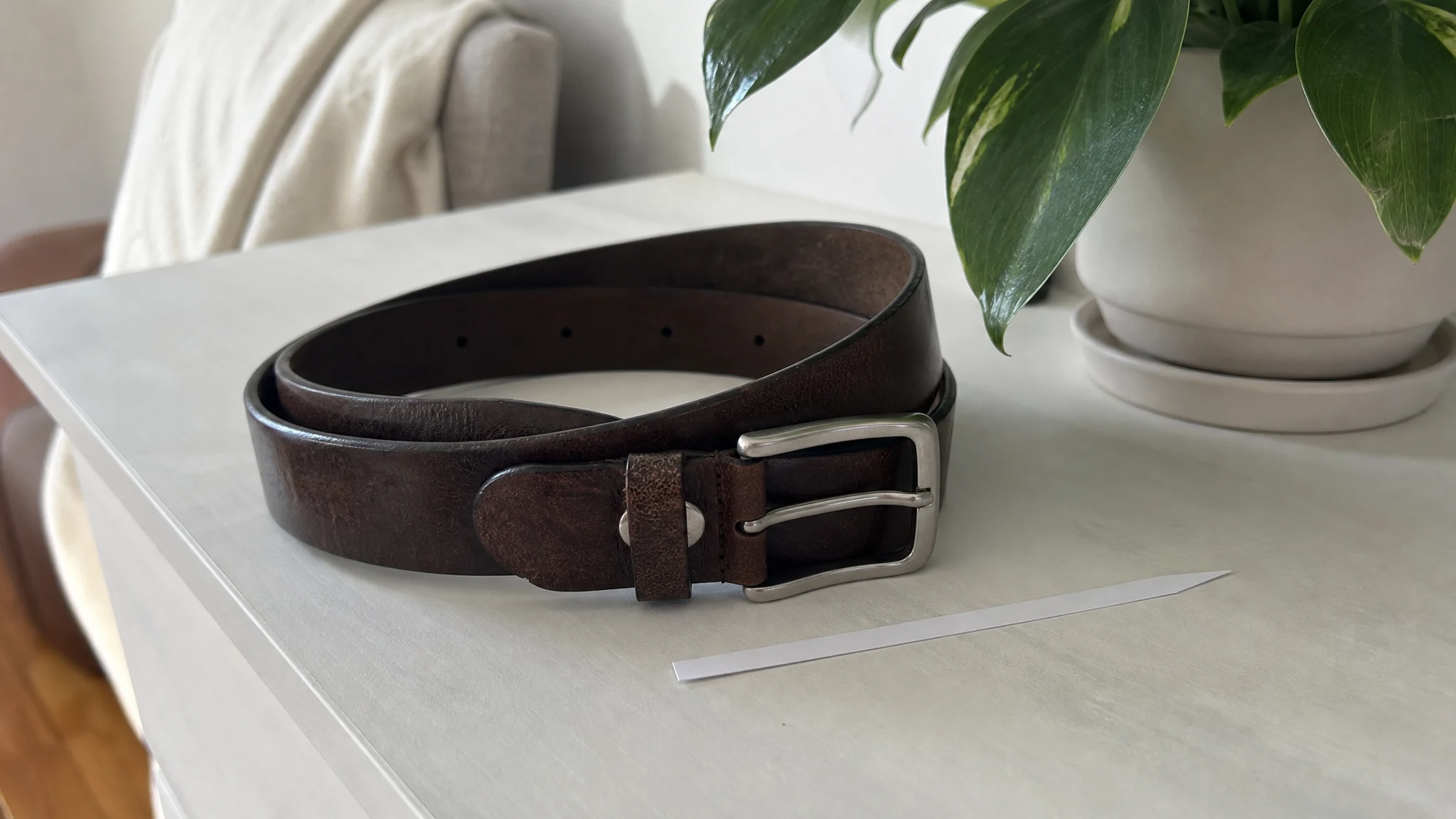
The leather link is historical. Russia leather was tanned and oiled with birch bark oil, which made it water resistant and gave it a distinctive smell, and it was a major Russian export in the 17th and 18th centuries (Wikipedia, Birch bark tar). That smell gave its name to the perfume family cuir de Russie. Chanel's Cuir de Russie, created with Ernest Beaux and dated to 1927 in that article, was described as evoking boots tanned with birch bark, and its listed ingredients read like a bouquet of frankincense, juniper wood, citrus and flowers rather than a bottle of tar (Wikipedia, Cuir de Russie). The name points to a tanning smell, and whether a given leather perfume contains birch tar is not something the name can tell you.
Is sweet birch a stand-in?
No, and we would steer you away from using it that way. Sweet birch oil is 93.24% to 99.84% methyl salicylate in authentic samples (Dosoky, Poudel and Satyal, 2022), an ester that smells sweet and cool, while tar is a phenolic mixture. Adding more sweet birch in pursuit of smoke only adds methyl salicylate, which brings its own limits. The Tisserand Institute gives a topical maximum of 2.5% for sweet birch and advises against it for children, in pregnancy and with blood thinners (Tisserand Institute). Our own dilution guidance for skin is 0.5% to 2%, and for perfume we would follow the lower end.
What sweet birch does well in a woody perfume
Where sweet birch earns its place is as a cool, sweet trace in a dry woody or fougere frame, the way a hint of frost sits on a pine bench. Our barbershop and fougere accords and birch in perfumery posts explore that territory, and solid perfume shows the arithmetic for a leave-on product. Those are formulations worked out from cited guidance and arithmetic.
Chasing the mood of leather
It helps to think about what you really want from a leather perfume. Usually it is a feeling: a worn saddle, a dim library, a coat that has hung by a wood stove. Smoke is only one road to that feeling. Dry woods, a little resin and a dark, slightly bitter edge can suggest the same room without any tar at all, and that is the kind of material to ask a perfumery supplier about.
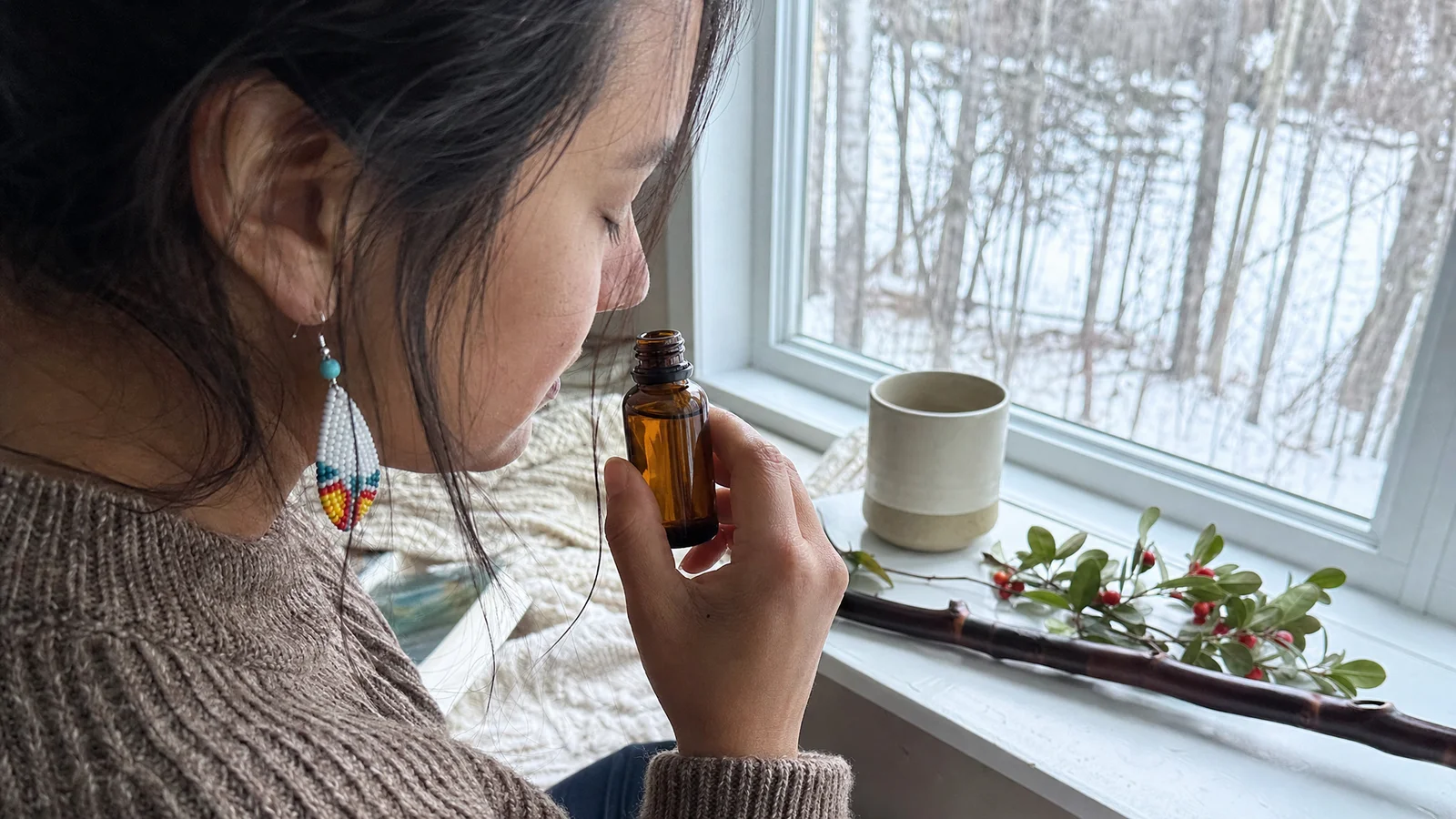
When you do add a trace of sweet birch to a frame like that, smell it on its own first. Put one small dilution on a blotter and notice what you get: something cool, sweet and bright, nothing smoky. That tells you exactly what job it can do, which is to be the glint of cold air over the warm, dark wood, not the leather itself.
If you are shopping for birch tar
Tar is a restricted-material conversation, and perfumery has standards that govern birch tar materials. These questions, put to any supplier, will tell you most of what you need:
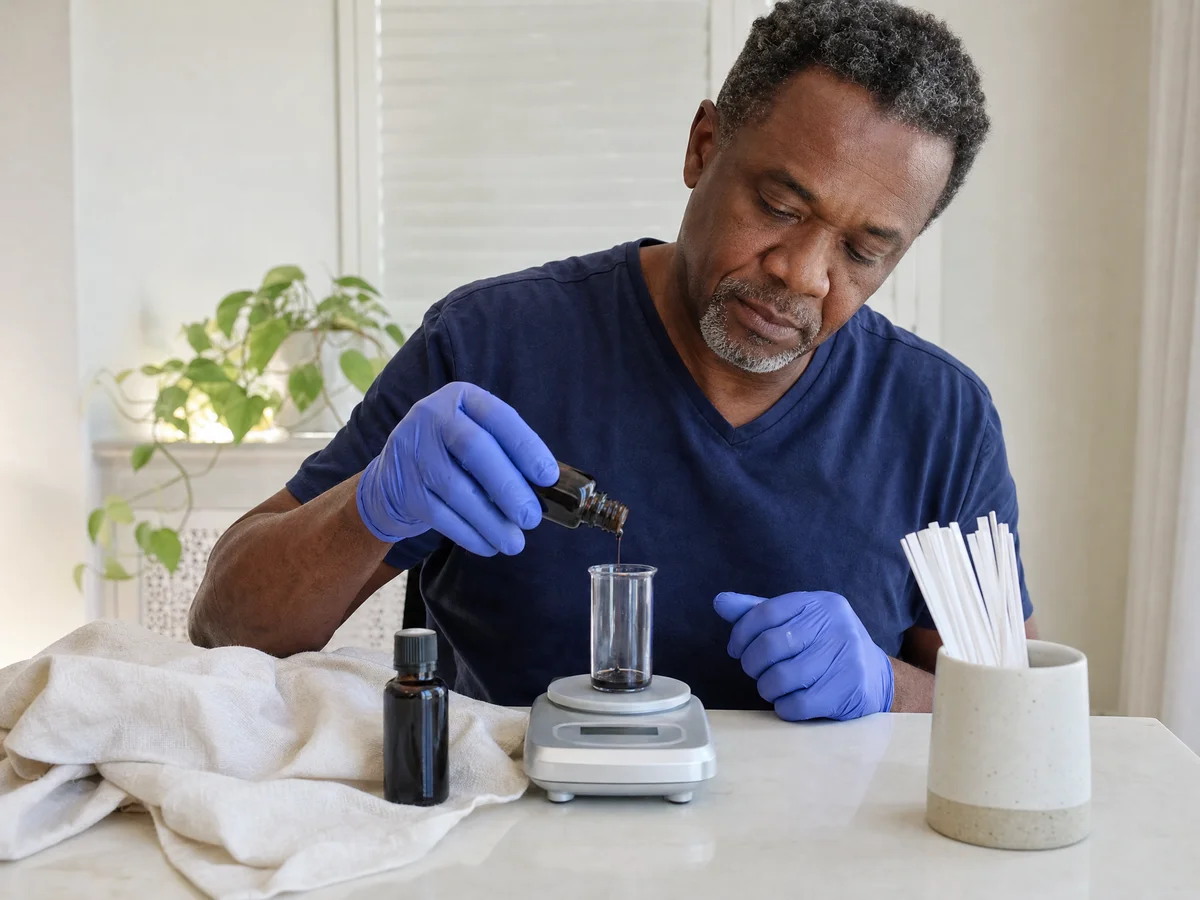
- Which species and which part? The Codex names Betula alba wood and bark, while modern suppliers vary, so a common name alone is not enough.
- Crude or rectified? The Codex distinguishes the two. The grade decides which rules apply, so get it in writing.
- Is there an IFRA conformity certificate? It should cover your product category and name the amendment. A certificate for candles does not cover a leave-on perfume.
- Is there a lot report? Pyrolysis products can contain polycyclic aromatic hydrocarbons, and a lot analysis is better evidence than an adjective on a product page.
One practical habit: label every bottle on your bench by material, not by the word "birch". A bottle marked "birch" could be either of two very different things, and a mix-up is the kind of mistake you only make once.
If you plan to sell the perfume, a cosmetic chemist or regulatory consultant is the right person for labeling and limits. If you are pregnant, making something for a child or have fragrance-sensitive skin, a physician or dermatologist should weigh in first.
We sell sweet birch and nothing from the tar side, so we leave that shopping to specialist perfumery suppliers.
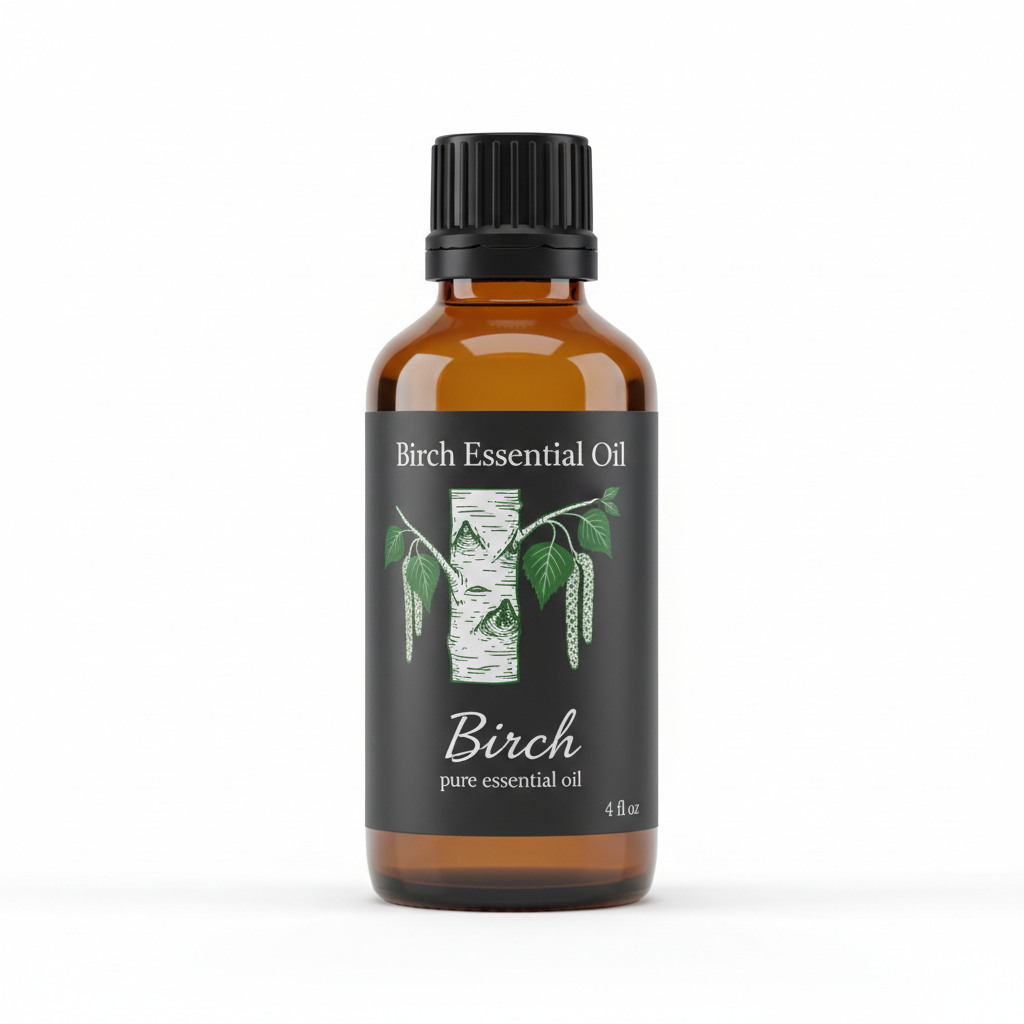
Birch Essential Oil
Birch Essential Oil from our own shop, in sizes from 1 oz to bulk.
From $17.99
Shop Now →Sources & Further Reading
- British Pharmaceutical Codex, 1911. Oleum Rusci (Birch Tar Oil), reproduced at Henriette's Herbal.
- Wikipedia. Birch bark tar (secondary summary).
- Wikipedia. Cuir de Russie (secondary summary).
- Dosoky NS, Poudel A, Satyal P, 2022. Plants 11(16):2132.
- Tisserand Institute. Methyl Salicylate (Essential Oil Constituents in Food, Part 5).