Birch in Perfumery: Sweet Birch, Tar and Synthetic
Ask three perfumers for "birch" and you might get three different bottles: a wintergreen and root beer oil from sweet birch bark, a smoky, leathery tar, or a synthetic version of the wintergreen molecule. Most bad birch accords start with the wrong one, so it is worth learning to tell them apart before you build anything.
Sweet birch versus birch tar
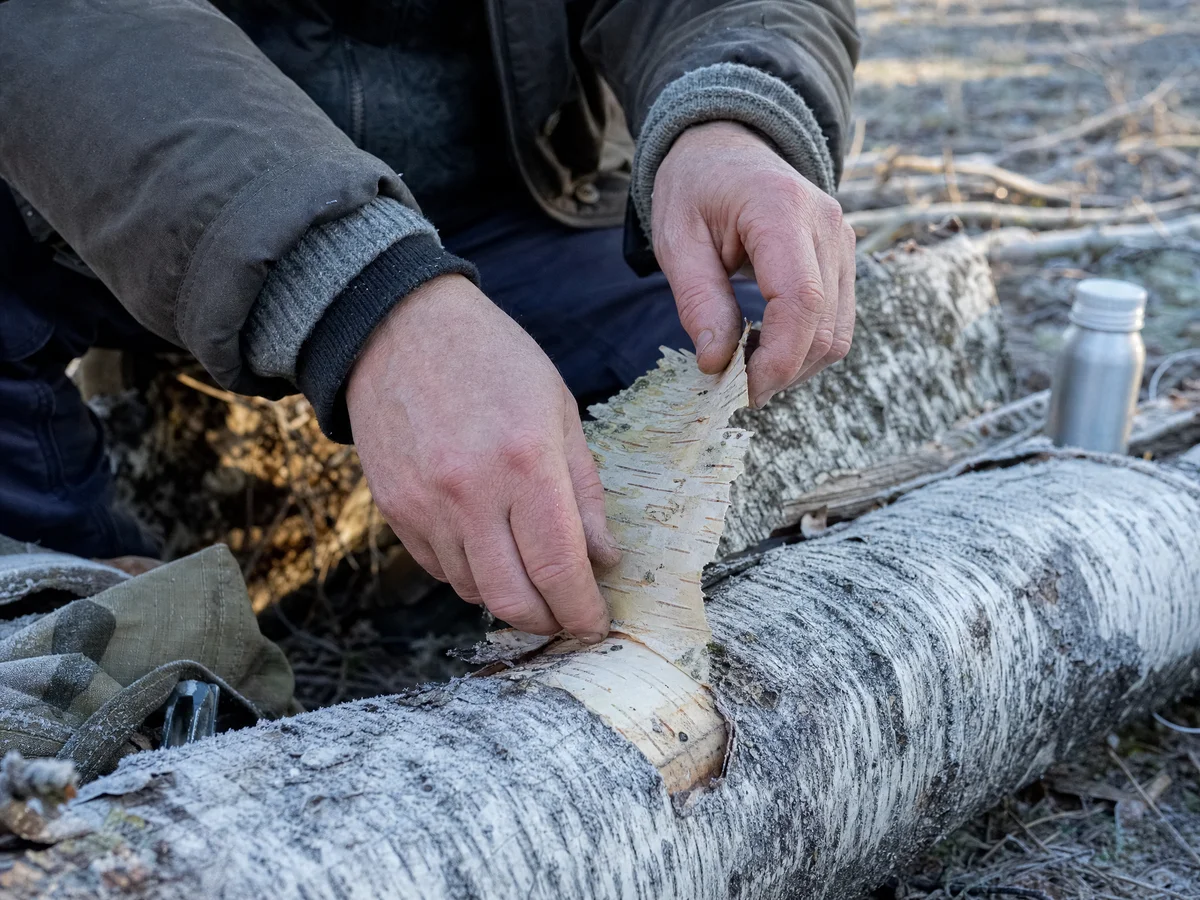
Sweet birch oil comes from distilling the bark of Betula lenta, and its dominant component is methyl salicylate (Tisserand Institute). Birch tar is another thing entirely: the 1911 British Pharmaceutical Codex describes the oil as made by the destructive distillation of birch wood and bark, with guaiacol and cresol as its chief components (BPC 1911, via Henriette's Herbal). We sell the first, and you can find it in our shop. For the smoky material, see our birch tar explainer and birch tar in perfumery.
How sweet birch behaves on the strip
ScenTree files methyl salicylate as a heart material and notes that a very low dilution is enough to detect its impact, and that it appears in tuberose and orange blossom notes as well as in ylang-ylang and birch (ScenTree, Methyl salicylate). The fragrance reference Perflavory lists sweet birch bark oil with a medium-strength odor, best judged at 10% or less (Perflavory, Betula lenta bark oil). So smelling it neat from the bottle mostly tells you how strong it is. To judge it fairly, dilute it first.
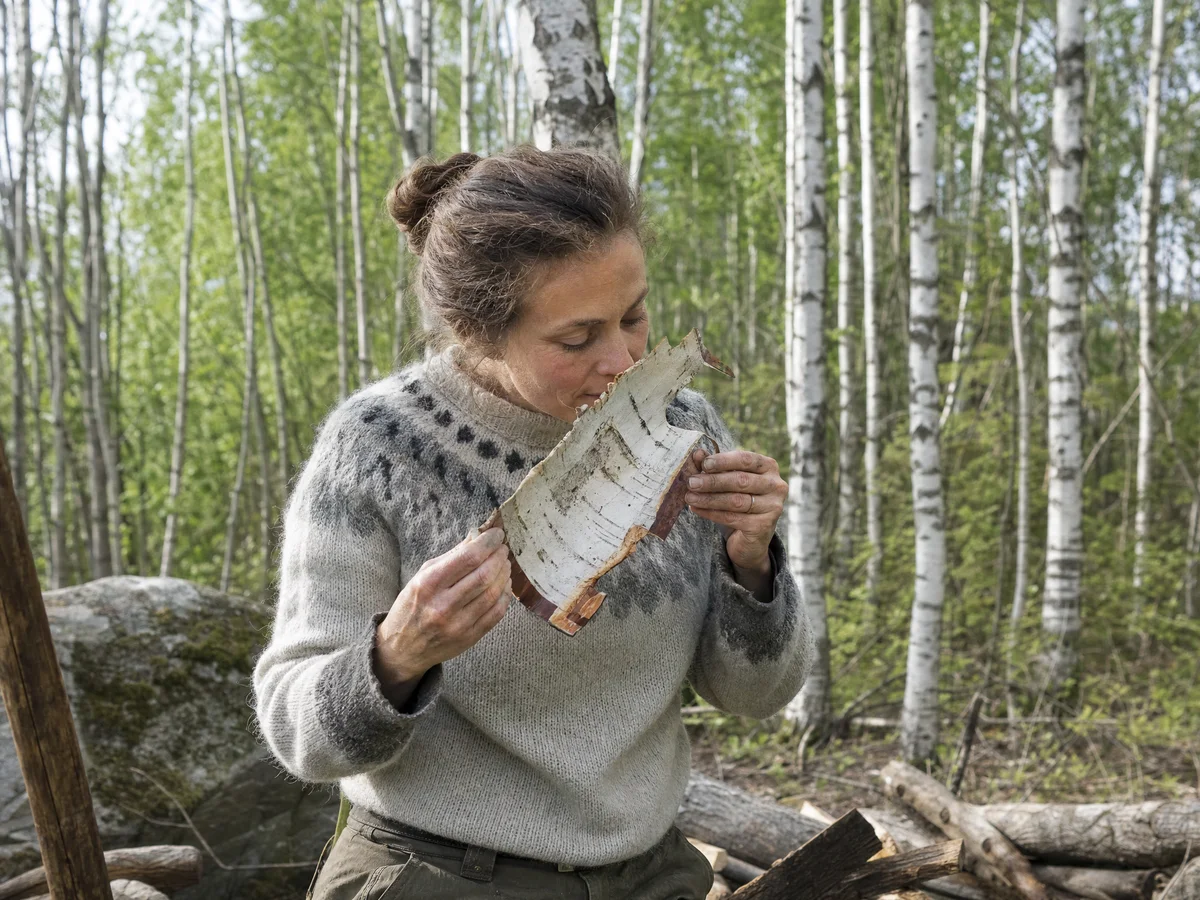
We describe ours as intensely sweet, cool and wintergreen-like, with a woody, candy-shop character. It announces itself early and then stays around, which is a lovely property for an accent and a hard one for a main character.
A smelling session worth doing
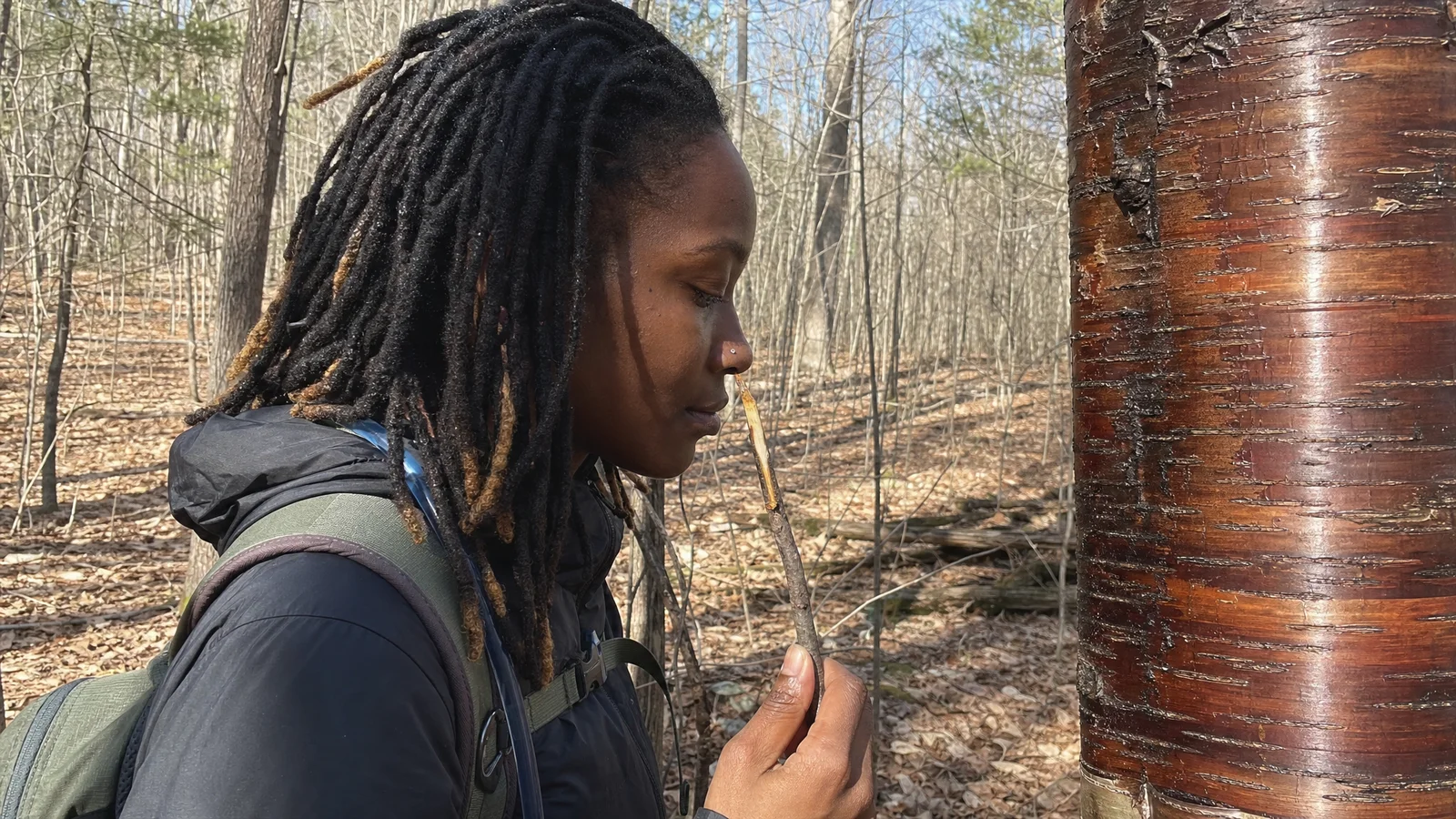
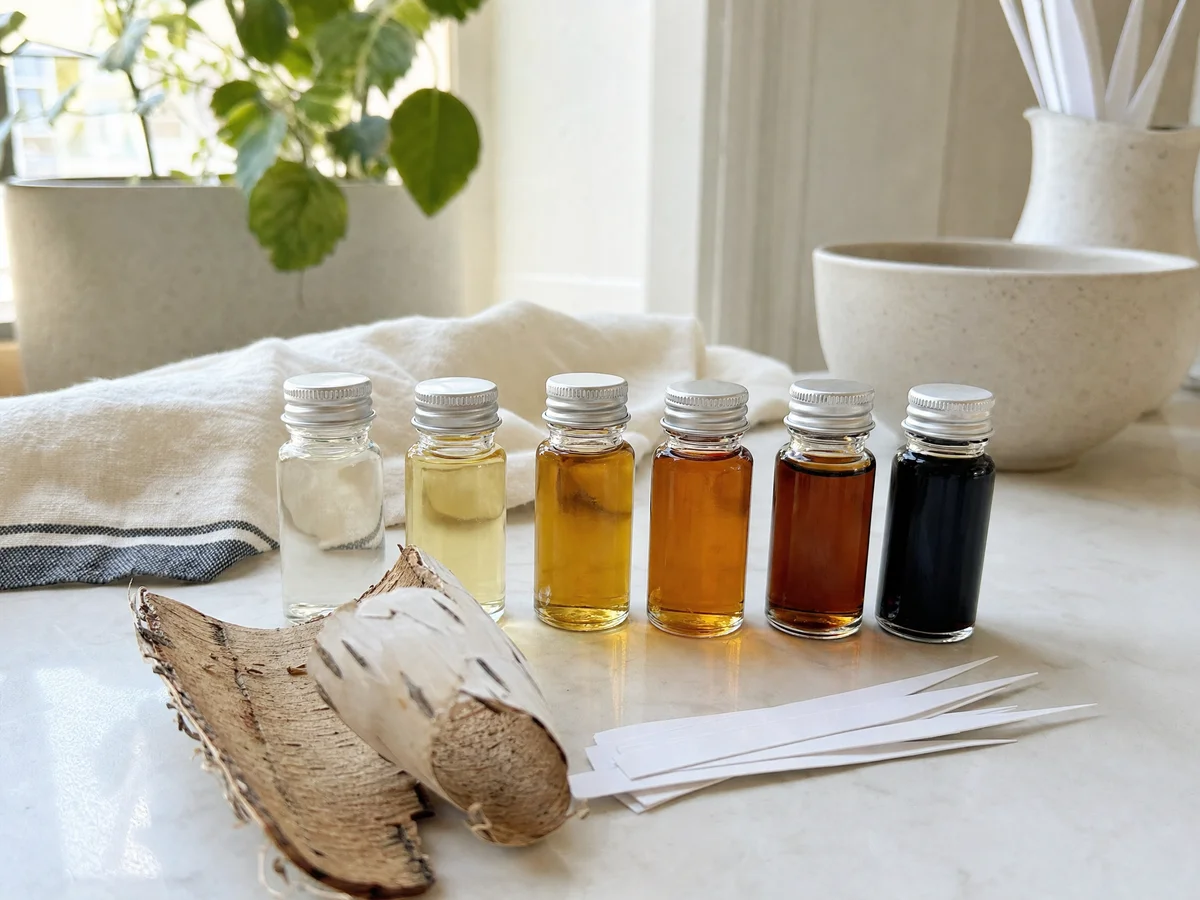
If you have the chance to smell both materials, do it on separate strips and label them straight away. Sweet birch is bright and sugary, with a cold edge, and it reads as friendly almost at once. The smoky tar is the opposite: dark, leathery, a little like a campfire left to smolder. Having the two in your memory side by side makes it much harder to confuse them on a supplier's website or in a conversation with a customer.
Keep a small notebook of impressions in your own words, because "root beer cold edge" will mean more to you in six months than a borrowed description. Perfumers build their vocabulary this way, one smell at a time.
What it does in a blend
- Cool, woody lift. A trace in a conifer or cedar structure adds a sweet, cold edge. Our pairing guide goes through the options.
- Barbershop and fougere color. Wintergreen facets are traditional in that family, and our worksheet shows how little it takes.
The common mistake is overdosing: a few drops too many flatten everything around it. Build from a 1% or 2% stock solution in perfumer's alcohol rather than from the bottle, and see our dose ladder.
Does the paperwork match?
Methyl salicylate is the shared molecule in sweet birch, wintergreen and the synthetic, so a bottle can smell exactly right and still be any of the three. In a survey of 27 commercial birch oils from US online sellers, none carried the markers of authentic sweet birch, such as o-guaiacol and veratrole (Dosoky, Poudel and Satyal, Plants, 2022). The scent side of the question is in our wintergreen comparison.
The batch on the Certificate of Analysis we publish has a relative density of 1.183 and a refractive index of 1.537, in line with the published range for methyl salicylate of 1.176 to 1.185 and 1.534 to 1.538 (PubChem), and names Betula lenta. If your formula needs a methyl salicylate figure or GC-MS for your lot, ask us in writing through our contact page.
Where we would start
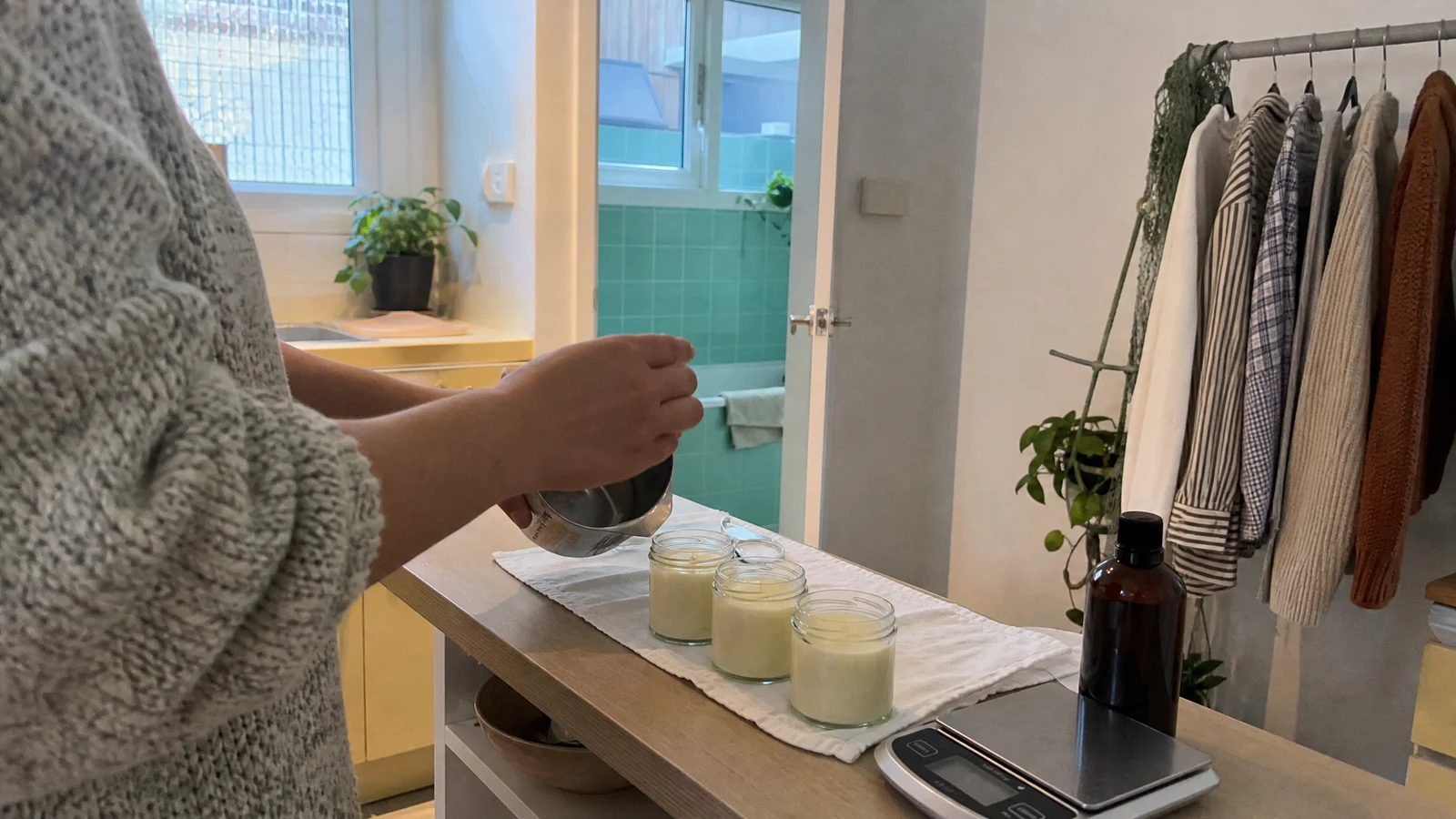
For a first project, skip the worn perfume and scent something that stays in the room. A candle or a small room spray lets you learn how birch behaves with other materials, how fast it comes forward and how long it lingers, without any of the limits that apply to skin. Once you know how it moves, you will know much better what to ask for when you do build an accord.
Work in small steps. A bottle of birch goes a long way (if you do end up needing more, see our bulk sizes and our guide to buying birch essential oil in bulk), and the pleasure of this material is in discovering how little it needs. Think of it as the pinch of salt that makes the rest of the blend taste like itself.
The limits that shape a perfume
Methyl salicylate is absorbed through skin, and the Tisserand Institute advises against sweet birch in children, in pregnancy and with blood thinners, with a recommended topical maximum of 2.5%. Regulation (EU) 2023/1545 sets methyl salicylate at 0.06% of leave-on skin products and 0.6% of hydroalcoholic fragrances (text mirror of the Regulation). Our general skin guidance is 0.5% to 2% in a carrier after a patch test, and where a published figure is lower, we suggest following the lower one. That is why we think candles and room scenting are the natural home for birch, with a worn perfume as the careful exception. See our aspirin sensitivity post and pregnancy and children post.
If you sell a perfume, check the current IFRA amendment and have a cosmetic chemist or safety assessor review the formula. In the US, liquid preparations above 5% methyl salicylate by weight come under special packaging rules (16 CFR 1700.14), so keep neat oil in its original bottle.
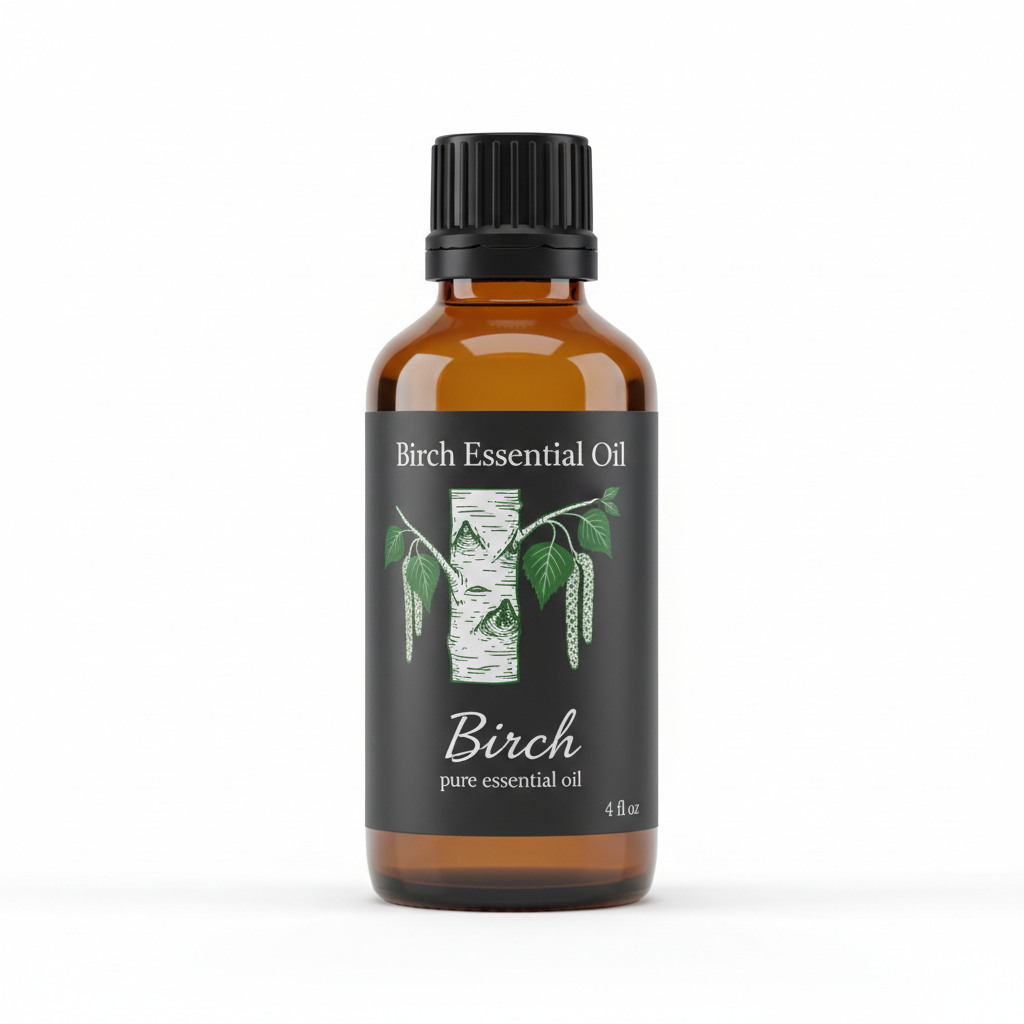
Birch Essential Oil
Birch Essential Oil from our own shop, in sizes from 1 oz to bulk.
From $17.99
Shop Now →Sources & Further Reading
- Tisserand Institute. Methyl Salicylate (Essential Oil Constituents in Food, Part 5). tisserandinstitute.org
- British Pharmaceutical Codex 1911, Oleum Rusci. henriettes-herb.com
- ScenTree. Methyl salicylate. scentree.co
- Perflavory. Betula lenta bark oil. perflavory.com
- Dosoky NS, Poudel A, Satyal P, 2022. Plants 11(16):2132. pmc.ncbi.nlm.nih.gov/articles/PMC9412571
- National Library of Medicine. PubChem, Methyl salicylate (CID 4133). pubchem.ncbi.nlm.nih.gov
- Regulation (EU) 2023/1545, Annex III entry 324 (text mirror). lawplayer.com
- 16 CFR 1700.14, Cornell LII. law.cornell.edu