How to Scent Soap With Birch Oil: A Trace Is Enough
Most soap pages tell you to scent a batch at 1% to 5%. For sweet birch oil, that advice would give you far too much. A bar of soap needs only a whisper of birch, and the whisper is surprisingly easy to calculate once you know why.
Why birch is different from a fragrance oil
Fragrance oils from soap suppliers arrive with a printed maximum. Sweet birch oil does not, and there is a good reason to be careful: it is 93.24% to 99.84% methyl salicylate (Dosoky, Poudel and Satyal, Plants, 2022), and that substance has published limits. Regulation (EU) 2023/1545 caps methyl salicylate at 0.06% of rinse-off skin products other than hand wash, 0.6% for hand wash, and keeps it out of preparations for children under 6 (text mirror of the Regulation). The Tisserand Institute lists a recommended topical maximum of 2.5% for sweet birch, which is a different framework and does not say which product types it covers (Tisserand Institute).
Our recommendation is to work from the EU number, with a small margin: 0.05% of the weight of the batter at pour. It is the one figure that is both numeric and written for rinse-off products. In the United States, FDA treats a product as soap only when it is mostly alkali salts of fatty acids and is sold solely as soap, and such products fall under the Consumer Product Safety Commission rather than FDA (FDA). If you want to go beyond 0.05%, a cosmetic chemist or regulatory consultant is the right person to ask.
What 0.05% looks like in grams
Birch oil in grams equals 0.0005 times the pour weight, meaning oils plus lye plus water. For a batch with 500 g of oils the pour weight is roughly 740 g, so the oil comes to about 0.37 g. That is a trace, and the result is a gentle, subtle woodsy note rather than a bold wintergreen bar. Plan your bar so that nothing depends on a strong scent, and weigh to hundredths of a gram. Our dilution chart has the general conversion math.
Pick your method
Melt and pour
The easy route: no lye, and the base is already made. Add the birch right before pouring, once the base has cooled a little, and use the same 0.05% figure. Our melt and pour recipe gives a per-batch table.
Cold process
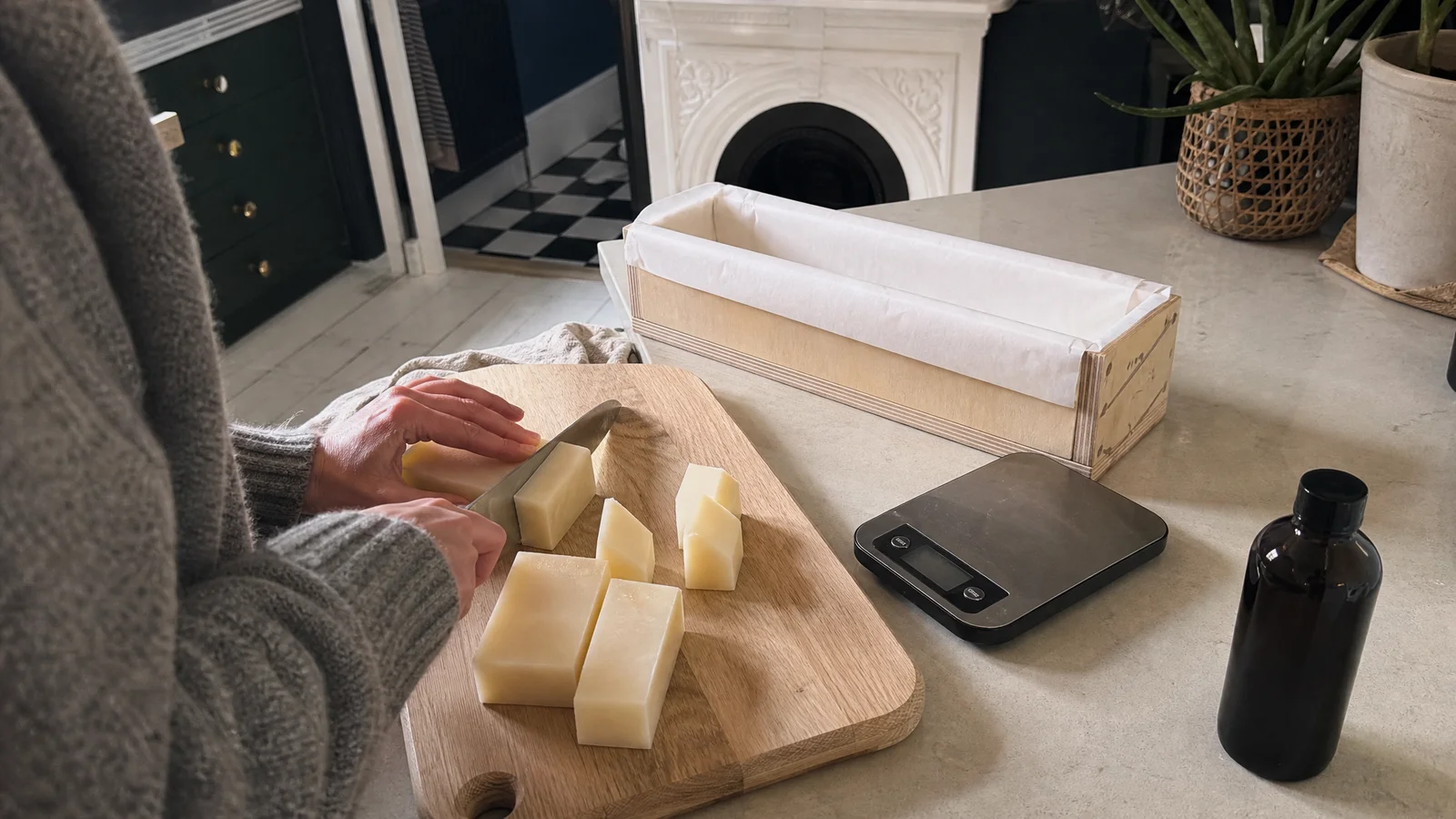
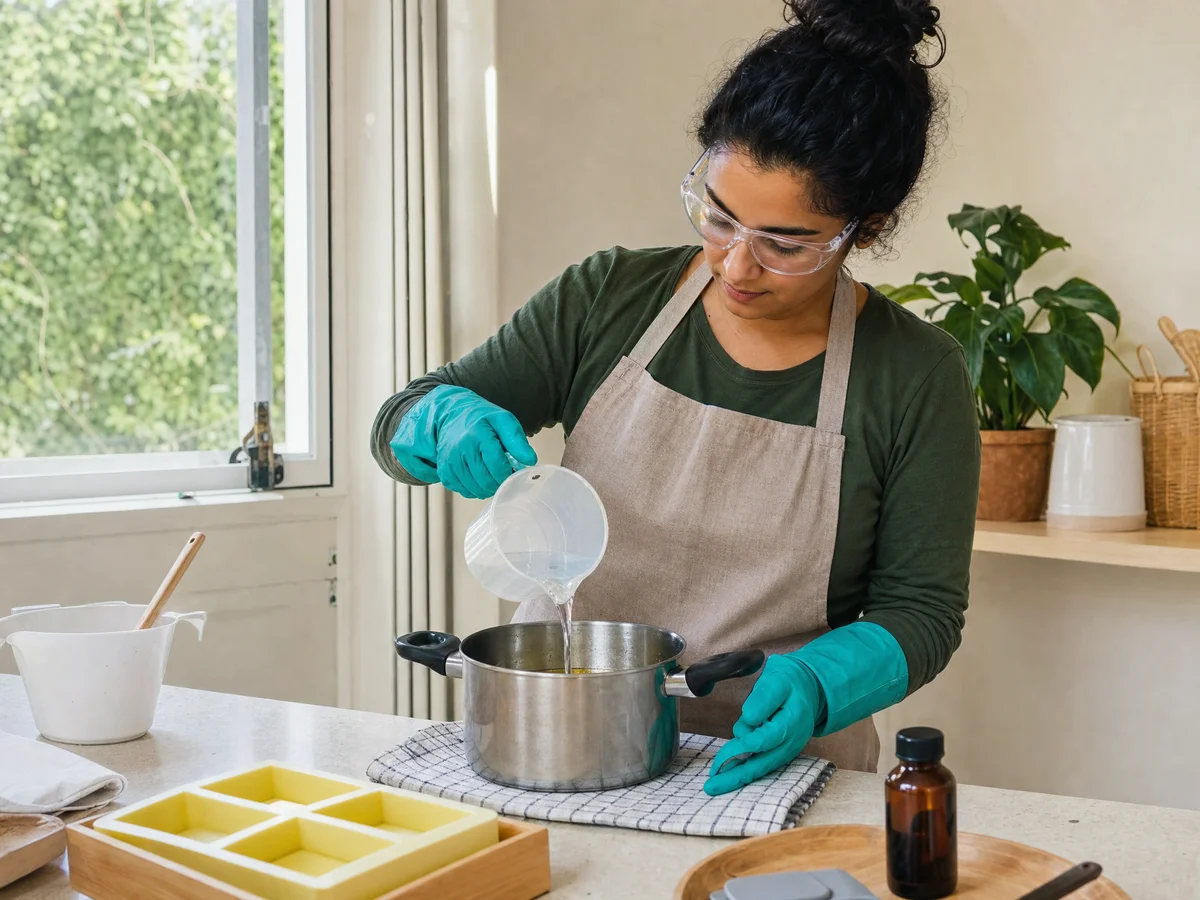
You choose the oils and calculate the lye yourself, so you have full control and a cure of several weeks. Lye needs real respect: goggles, gloves and a clear work area. Whether birch speeds up trace is a common question; our trace post looks at it.
Shaving soap
Freshly shaved skin is sensitive, and we would leave a salicylate oil out of a shaving product. If you are curious, our shaving soap page covers what can be said.
Smoky or sweet?
Soaps sold as "birch tar" are a different material, a smoky tar, not the sweet bark oil we sell. Our tar versus sweet birch comparison sorts out the difference.
Labeling and selling
In the EU, methyl salicylate must appear in the ingredient list above 0.01% in rinse-off products, so a 0.05% bar needs the declaration. US labeling follows whether the product is a soap or a cosmetic, and claims decide the category, so never describe a birch bar as relieving or treating anything. Our labeling post goes into detail, and an attorney or regulatory consultant should review a product before you sell it.
Your first bar
Make a plain bar first so you know how your recipe behaves, then make a birch bar the same way. Do not expect a candy-shop bar. At this level you will notice a faint, cool, woody note that gets clearer as the bar cures, a quiet nod to winter woods rather than a shout. Keep a note of the weights and the date, give the bar its full cure, and then decide whether you are happy with it before you scale up.
Who should skip it
We recommend against birch soap for anyone who is pregnant or breastfeeding, for children, and for anyone who takes anticoagulants or is sensitive to aspirin. It is never for swallowing. The EU rule above also excludes children under 6. See our pregnancy and children post and our aspirin sensitivity post. A pharmacist or physician can address your situation, and if anyone swallows soap with birch oil or the neat oil, call Poison Help at 1-800-222-1222.
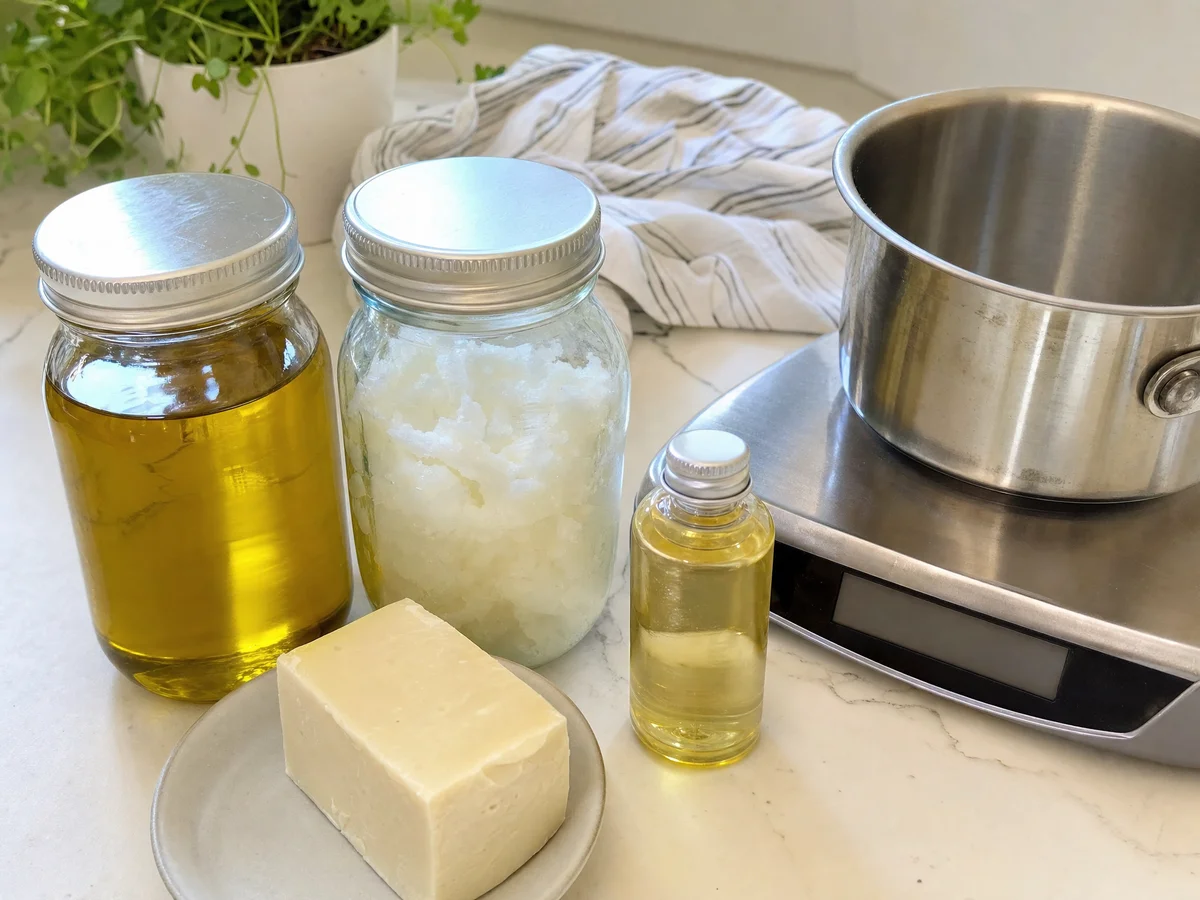
How far a bottle goes
At 0.05%, a 500 g oil batch uses 0.37 g of birch. A 1 oz bottle measured by volume weighs about 35 g (29.57 mL at 1.183 g/mL, the density on our published Certificate of Analysis), which covers roughly 90 batches that size. That changes the sample-to-bulk story: a home or craft maker should buy the 1 oz bottle and stop there. A soap house making large batches weekly would still use only a modest amount a year at this rate, so the larger sizes make sense mainly for people also making candles and room scents (see our candle guide) or those running very large volumes. See our bulk sizes and our guide to buying birch essential oil in bulk, or ask us about larger sizes through our wholesale page.
The Certificate of Analysis lists density, refractive index and optical rotation for one batch. Since your limit is calculated on methyl salicylate, ask us through our contact page for the report for your lot, and see our buying checklist. Start small, weigh carefully, keep your first bar plain and let your own cured bar decide.
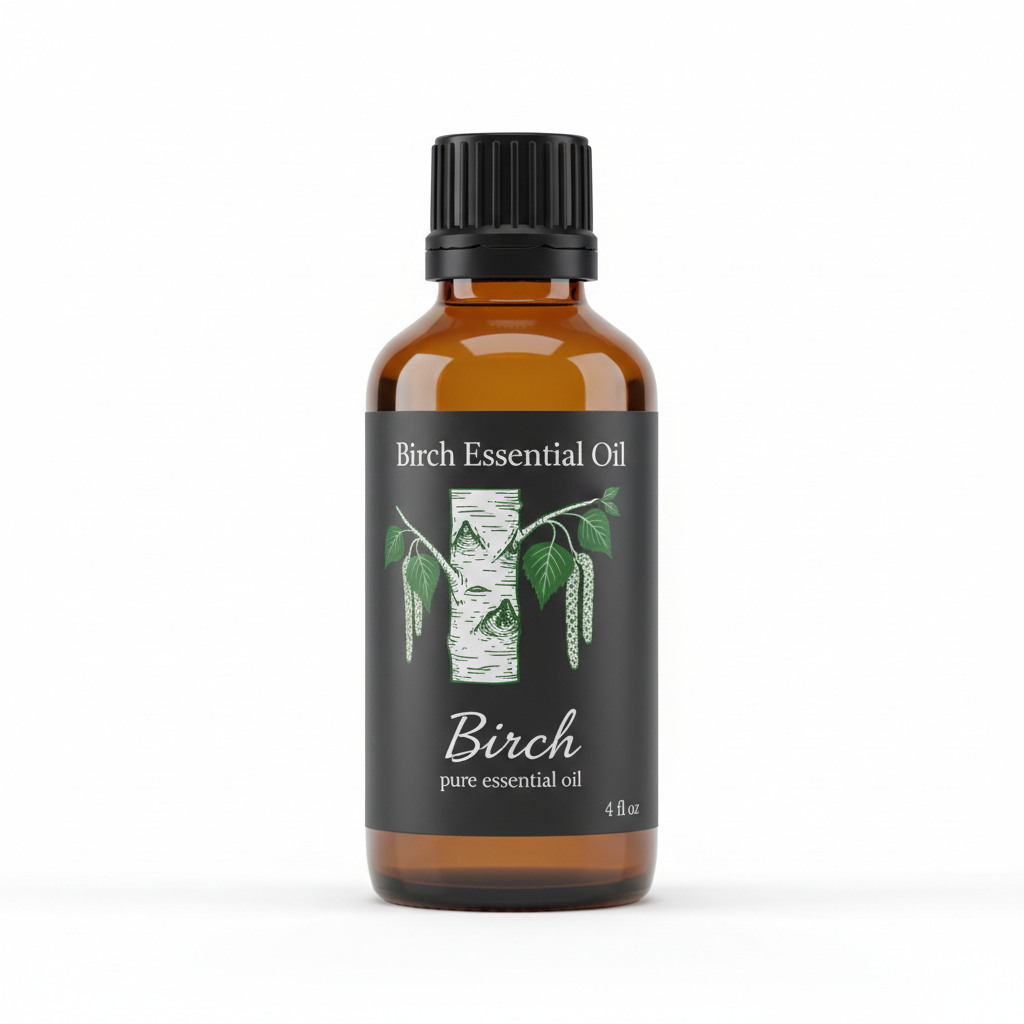
Birch Essential Oil
Birch Essential Oil from our own shop, in sizes from 1 oz to bulk.
From $17.99
Shop Now →Sources & Further Reading
- Dosoky NS, Poudel A, Satyal P, 2022. Plants 11(16):2132. pmc.ncbi.nlm.nih.gov/articles/PMC9412571
- Regulation (EU) 2023/1545, Annex III entry 324 (text mirror). lawplayer.com
- Tisserand Institute. Methyl Salicylate (Essential Oil Constituents in Food, Part 5). tisserandinstitute.org
- FDA. Is It a Cosmetic, a Drug, or Both? (Or Is It Soap?). fda.gov