Birch Tar Oil vs Sweet Birch Oil: What Sets Them Apart
Type "birch oil" into a search bar and you will land on two very different bottles. One smells like wintergreen candy and root beer. The other smells like a campfire in a leather jacket. They come from the same genus of tree, they share a name, and they have almost nothing else in common.
Same tree family, opposite chemistry
We sell the first one: sweet birch oil, which the Certificate of Analysis for our published batch names as Betula lenta. It is made by soaking bark in warm water and then steam distilling it. In a study of authentic sweet birch oils, the bark was soaked for about 8 to 10 hours at 50 C before a distillation of 6 to 10 hours, and the finished oil was 93% to 99.8% methyl salicylate (Dosoky, Poudel and Satyal, 2022). That single molecule is the whole story of the scent: sweet, cool, minty, nostalgic.
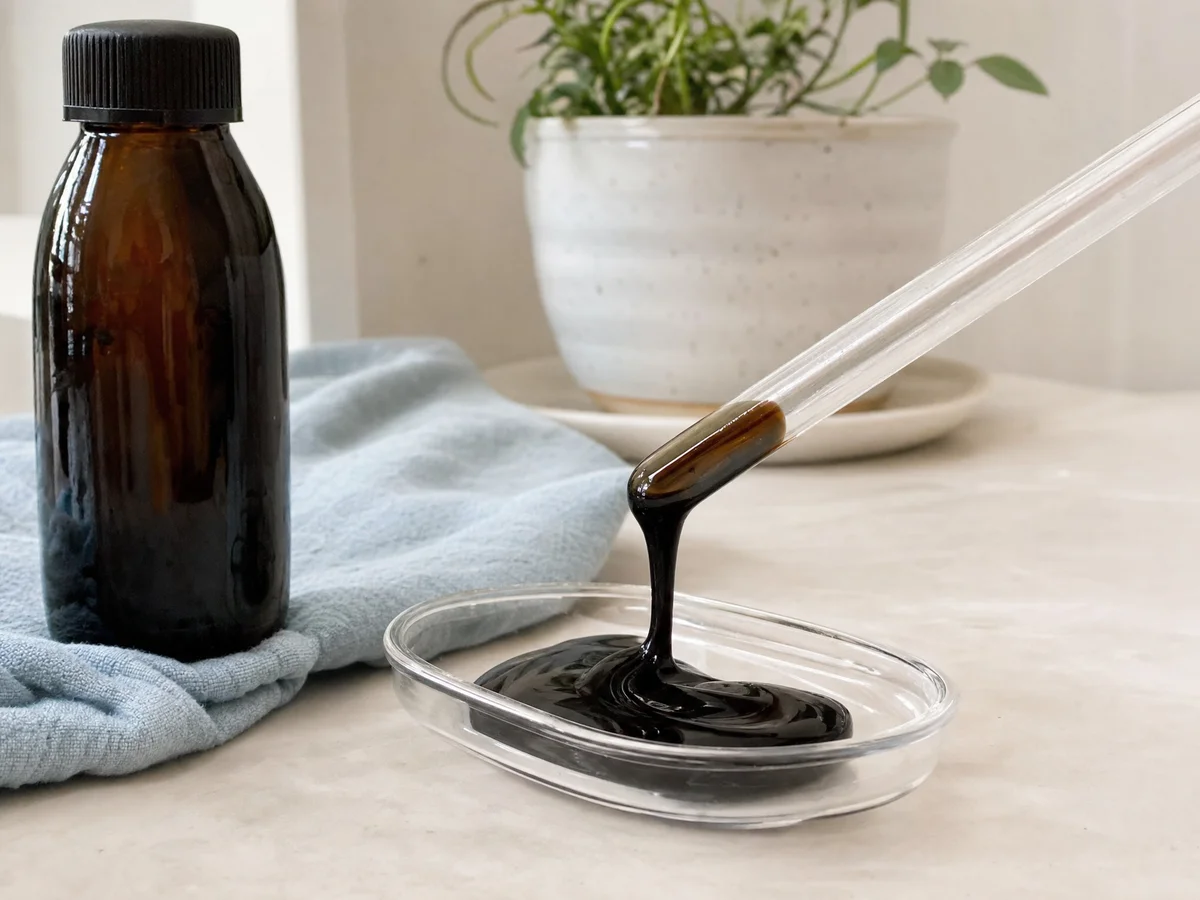
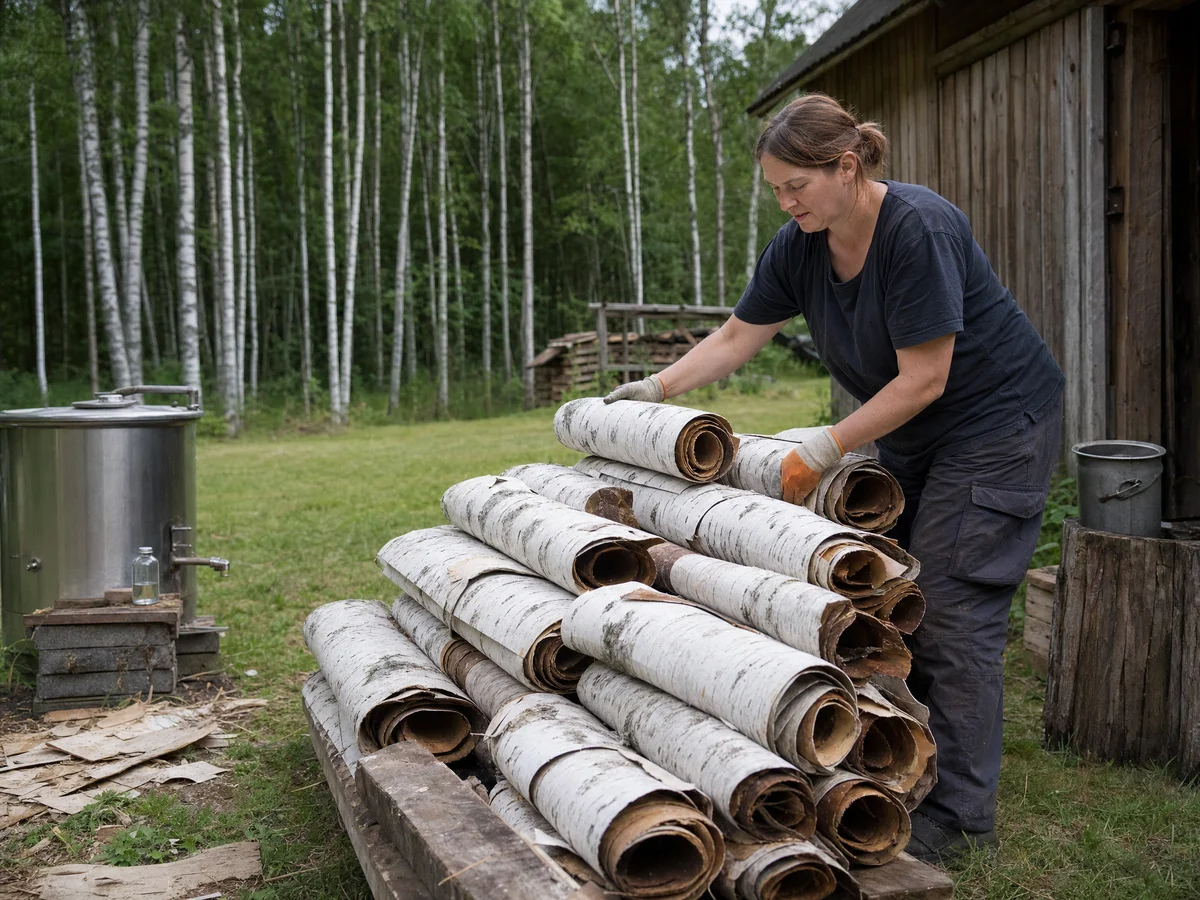
Birch tar oil is a different kind of material altogether. It comes from dry (destructive) distillation, where wood or bark is heated with very little air and the vapors are collected. The 1911 British Pharmaceutical Codex describes it as made in Russia from the wood and bark of Betula alba, with guaiacol, cresol and pyrocatechol among its constituents, and a rectified version that is mostly guaiacol and cresol (British Pharmaceutical Codex, 1911). Those are phenols, the family behind smoke and leather, not the ester that gives wintergreen its sparkle.
An old craft with a long memory
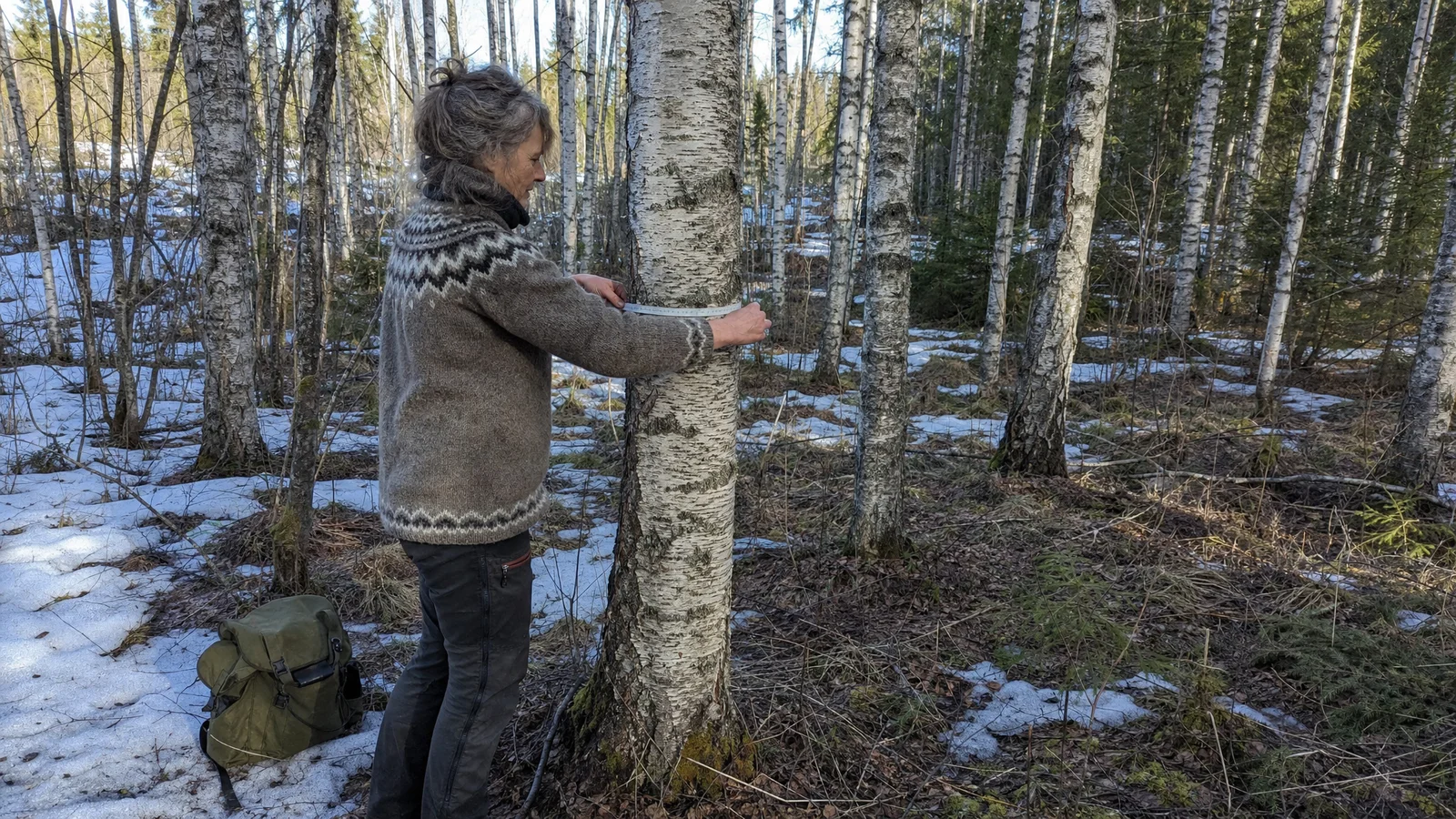
People have been making birch tar for a very long time. Archaeologists at Leiden University showed in 2017 that the simplest method needs little more than a roll of bark and an open fire, and they date birch tar glue as far back as 200,000 years ago, when it held flint points onto handles (Leiden University, 2017). That is the lineage behind the smoky, leathery birch note in classic perfumery, a style we look at in our birch tar perfumery piece.
What your nose will tell you
If you ever have both bottles in front of you, smell them one after the other, with a breath of fresh air in between. Sweet birch is easy to place in seconds: sweet, cool and bright, like a mint patty or a glass of root beer. The tar side goes the other way, toward smoke, dark wood and old leather, the smell of a jacket that has spent years near a fire. Nobody who has smelled both would confuse them for long, which is exactly why the shared name is such a nuisance.
Why the names get tangled
Old recipes and product pages often say "birch oil" and leave out the rest. A soap recipe, a perfume formula and a listing for a wintergreen-scented oil can all use the same two words for different materials. When you read a recipe, look for a plant part, a species or a description of the smell. If none of those appear, treat the name as unfinished and keep looking.
Which one will you actually get?
Labels are not always helpful, so we suggest reading the product page like a detective. If it says wintergreen, root beer or candy, it is describing methyl salicylate. If it says smoke, leather or campfire, it is describing tar or a tar-style accord. If a page claims both, ask. The same reasoning explains why the two never substitute for each other: sweet birch will not give you smoke, and tar will not give you wintergreen.
Four questions sort most listings out quickly:
- What is the botanical name and which part of the plant was used?
- Was it steam distilled, or made by dry distillation or pyrolysis?
- Is there a lot report, and what does it measure?
- Is there a safety data sheet?
We are glad to be asked these about our own oil. The Certificate of Analysis we publish for one batch lists density, refractive index and optical rotation. If you need a GC-MS report with a methyl salicylate figure for your lot, ask us in writing through the contact page before you order. Our buying guide goes through what each document can and cannot show.
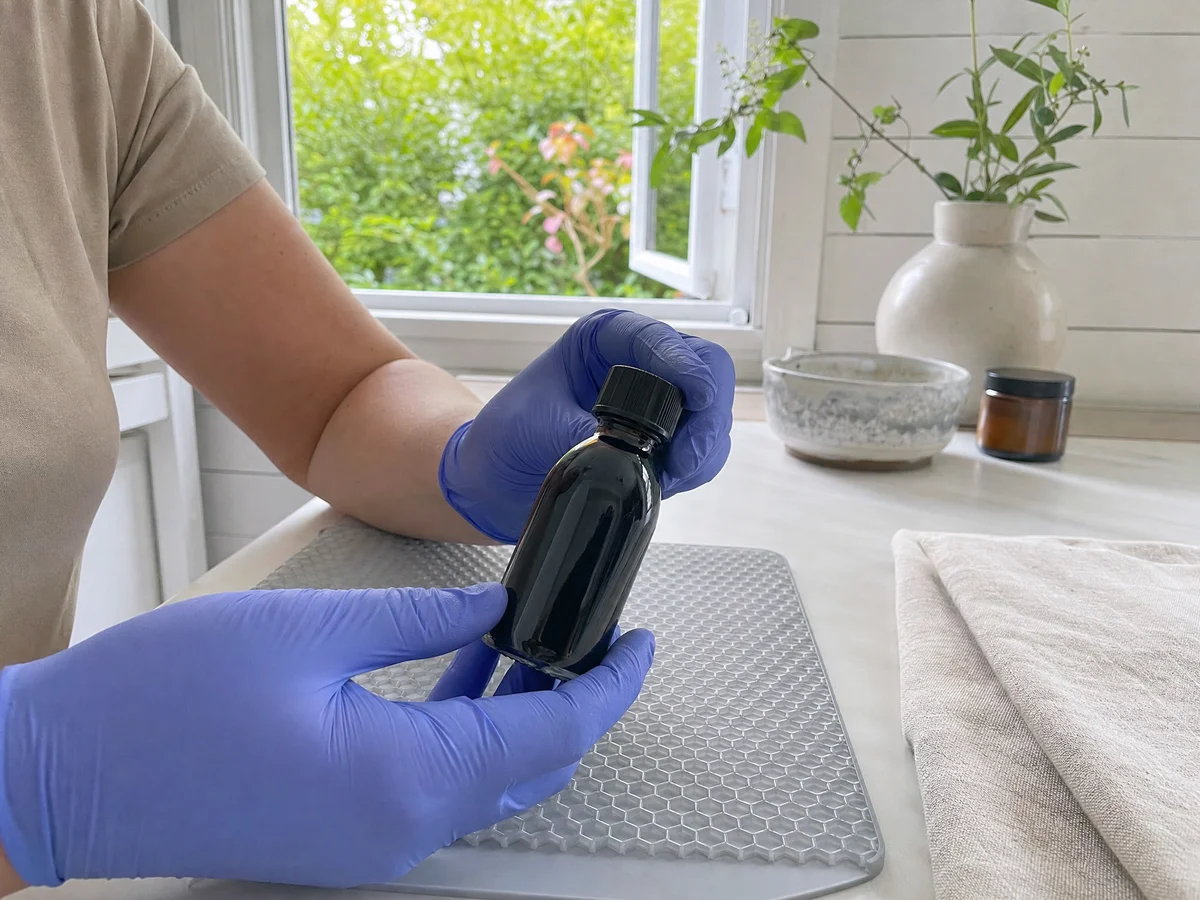
On your own shelf, give each bottle a label with the full name and the date it arrived. Two amber bottles look identical, and memory is a poor way to tell them apart.
A note on soap
If you came here because of "birch tar soap", the comparison is spelled out in tar soap versus sweet birch soap. In short, a sweet birch soap carries a trace of wintergreen-type scent and no tar. Tar products have their own safety rules for skin, so check the current IFRA standard and the supplier's safety data sheet for any tar material, and keep both sweet birch and tar out of reach of children.
Both materials have real character, and the better one is simply whichever matches the smell you are after.
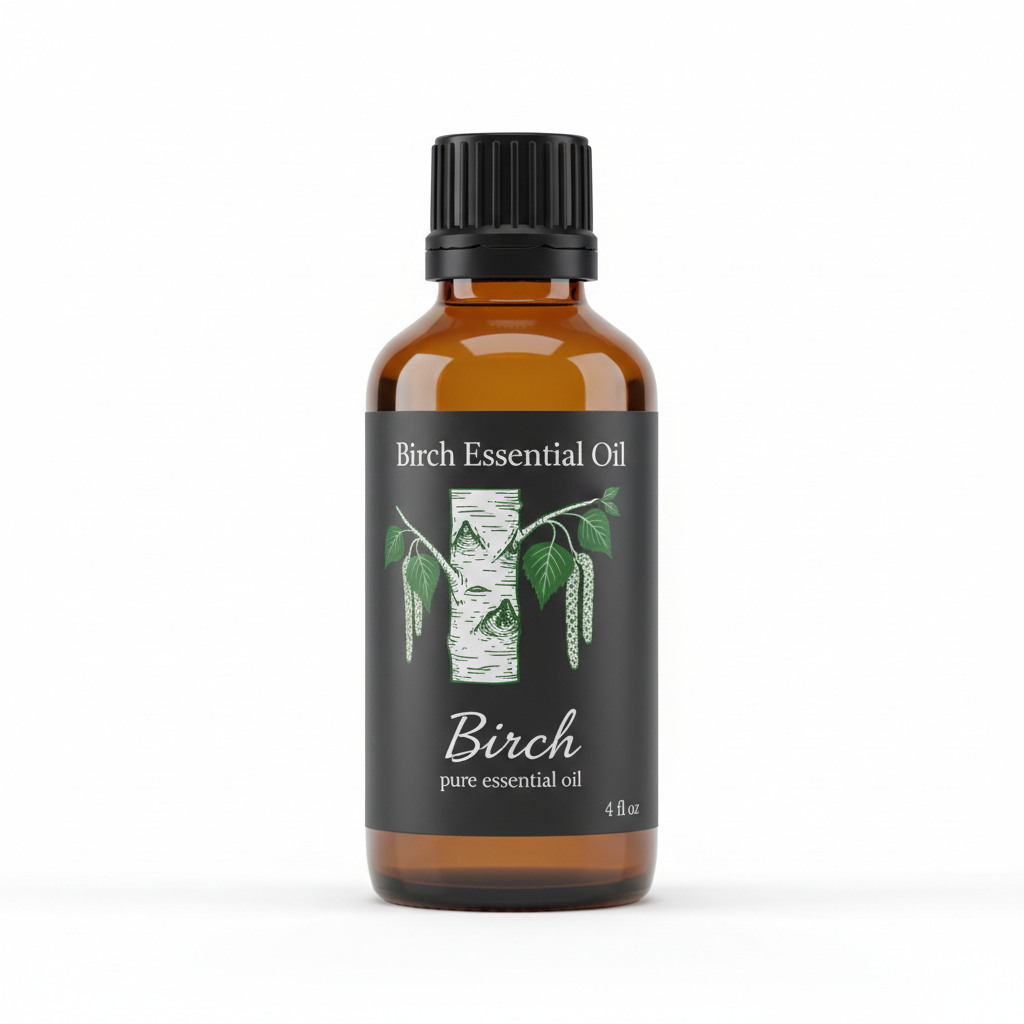
Birch Essential Oil
Birch Essential Oil from our own shop, in sizes from 1 oz to bulk.
From $17.99
Shop Now →Sources & Further Reading
- Dosoky NS, Poudel A, Satyal P, 2022. Authentication and Market Survey of Sweet Birch (Betula lenta L.) Essential Oil. Plants 11(16):2132.
- British Pharmaceutical Codex, 1911. Oleum Rusci (Birch Tar Oil), reproduced at Henriette's Herbal.
- Leiden University, 2017. How Neanderthals made the very first glue.