Birch Oil Bottle Sizes: Which to Order First
Birch oil is dense, strong and used in tiny amounts, so the right first bottle is usually smaller than people expect. A few minutes of arithmetic will settle the question better than any rule of thumb.
Do the sums first
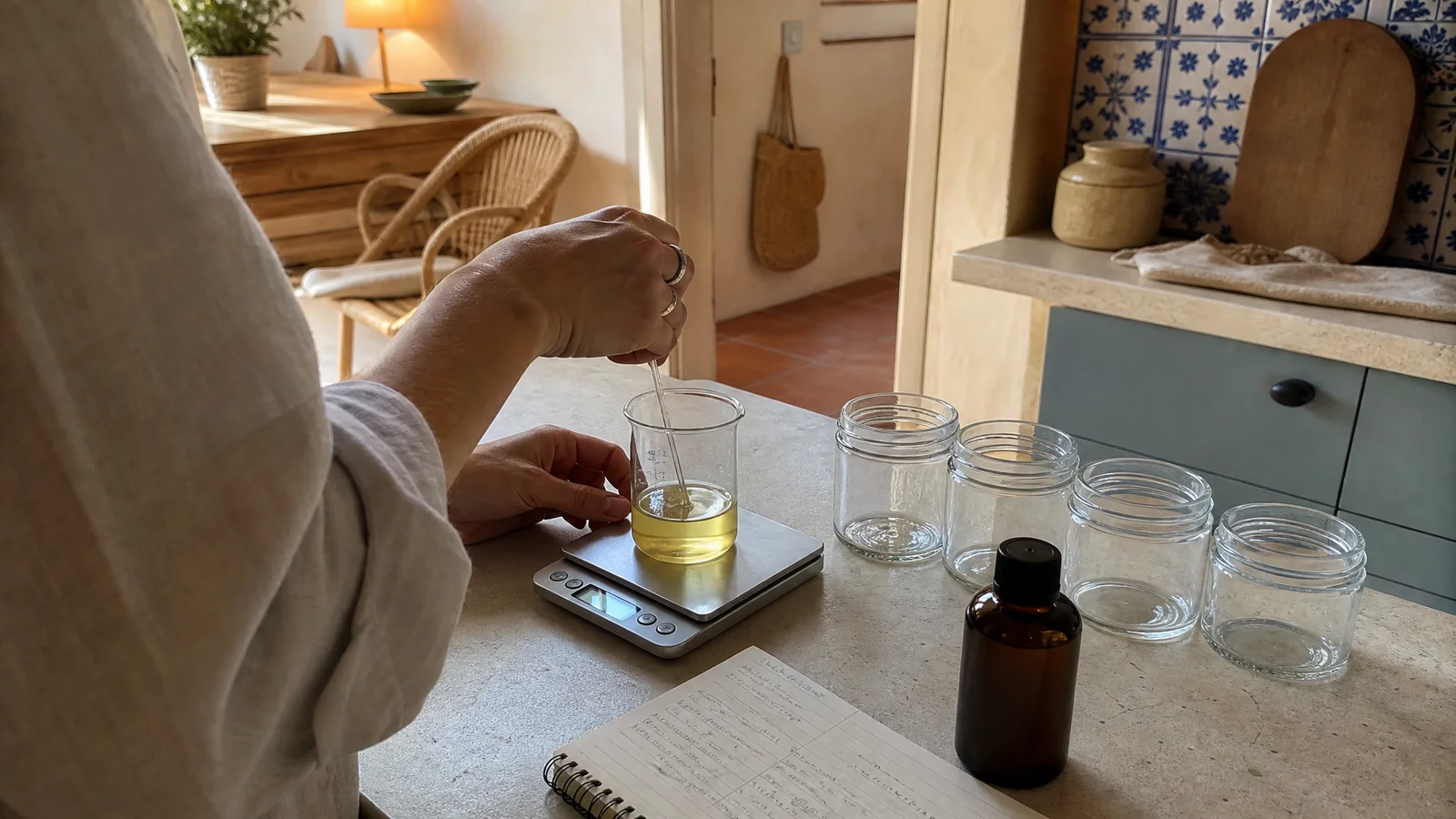
The batch on our published certificate has a relative density of 1.183, so one milliliter weighs about 1.18 g. A fluid ounce is 29.57 ml, which comes to roughly 35 g of oil. Droppers are loose measures (about 20 drops to the milliliter is the common convention, and it varies with the bottle tip), so weigh the oil on a scale for anything you plan to repeat.
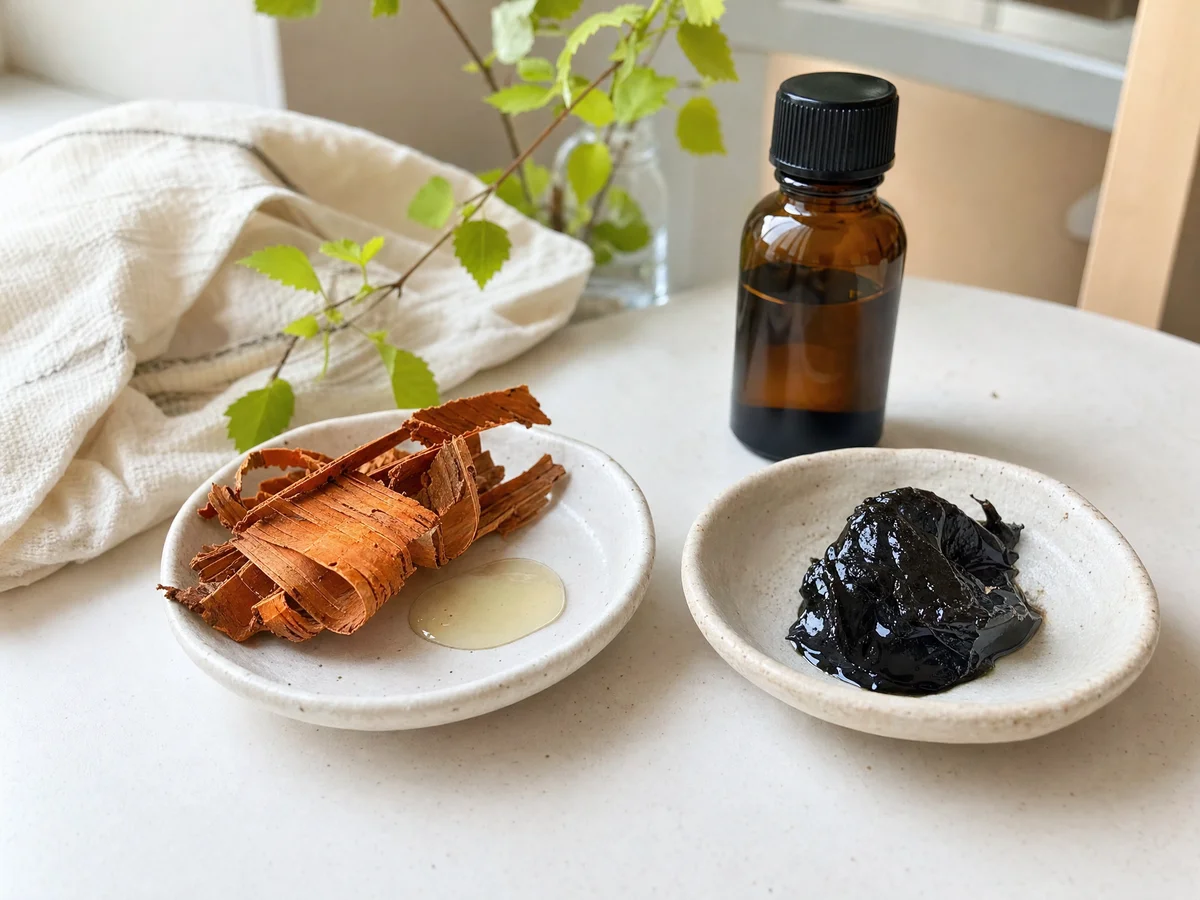
As an illustration, suppose a batch uses 0.5% oil by weight. A 500 g candle or soap batch then needs 2.5 g, and one ounce covers about 14 of them. At 1% it covers about seven. The percentage for your own product should come from the guidance for that product, which our dilution chart and candle guide take in turn.
Matching the size to the plan
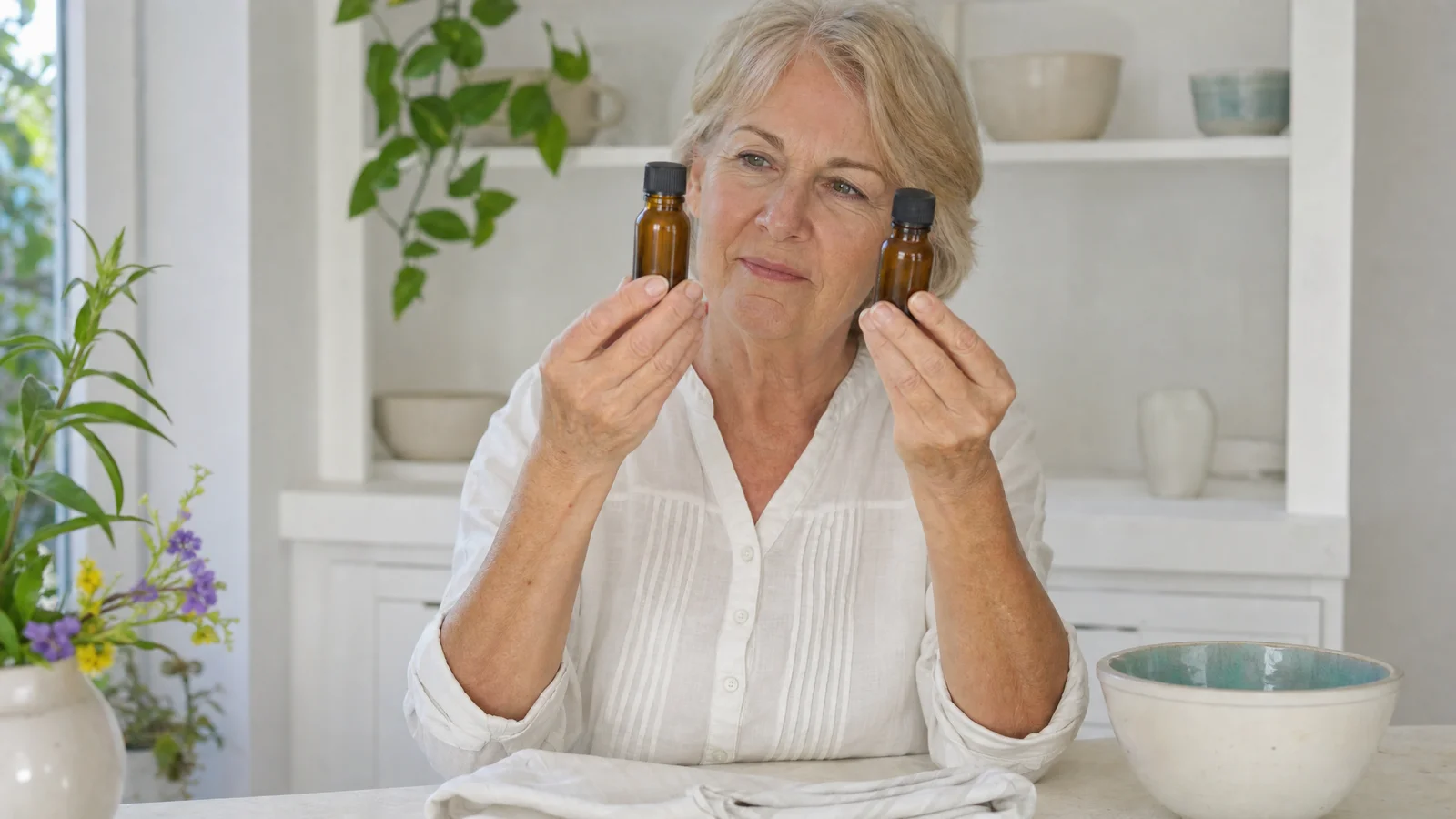
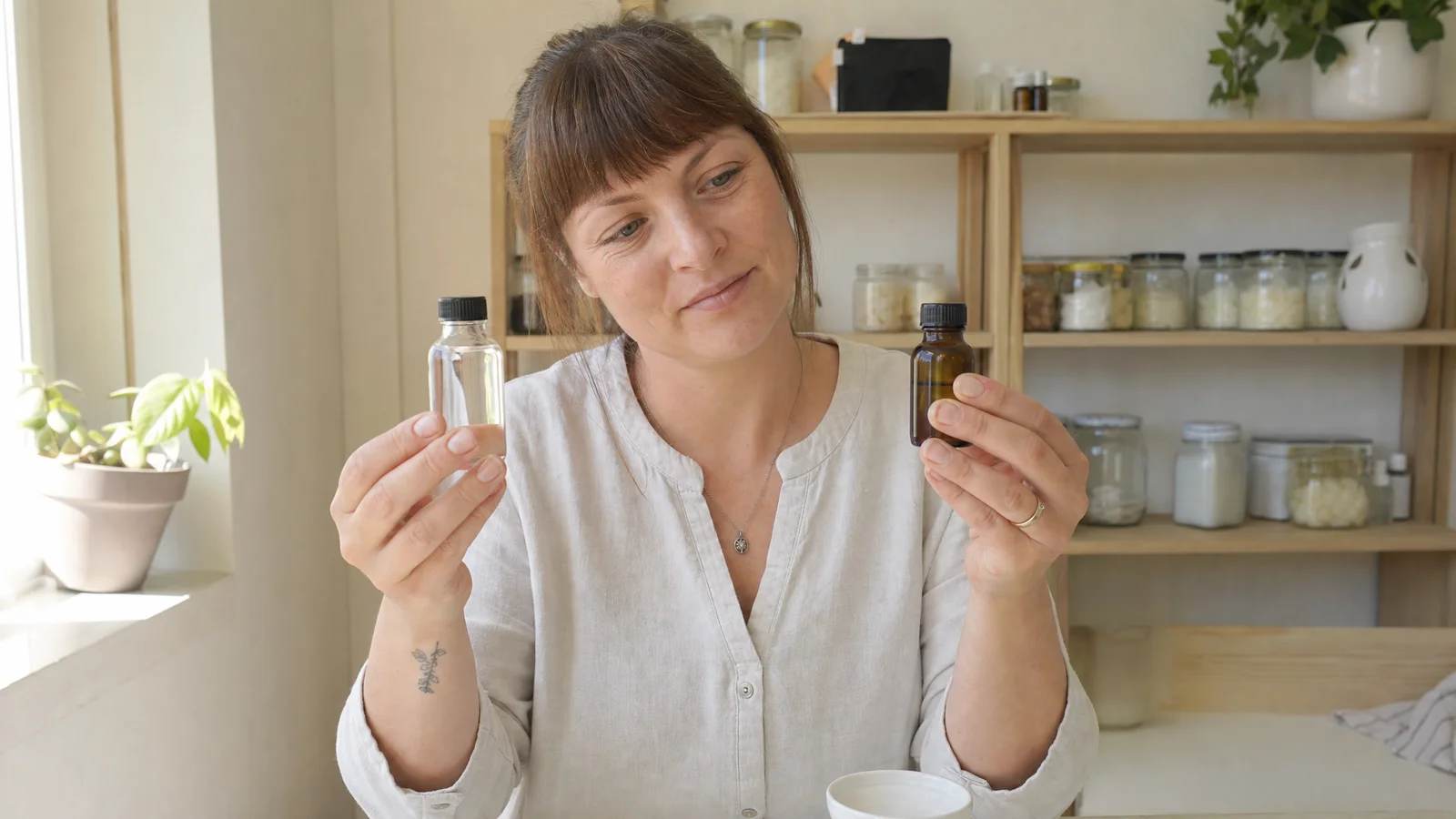
- You have never smelled it. Start with the smallest bottle, or the single sample bottle our wholesale page offers. Birch is sweet, cool and wintergreen-like with a candy-shop edge, and some people love it while others find it surprising. A little goes a very long way, so a small bottle is a happy way to find out.
- A one-off candle, room spray or a few soaps. Add up the grams for the whole run, add a little for test pours, and a small bottle will almost always cover it. Our soap guide shows how birch behaves in a bar.
- A product you make again and again. Weigh a typical month's use, then look at the larger bottles. Keep your timeline in mind: we describe typical shelf life as 2 to 3 years when the bottle is tightly capped, cool and dark (storage notes here).
- Bulk, 5 lb and larger. Move up once you have made a small run of the finished product and know your real usage. Our bulk guide covers the practical side.
Questions that help you decide
If the sums still leave you unsure, ask yourself a few plain questions.
- Have I made this product before, or is it my first try?
- How many pieces will I make in the next three months, honestly?
- Do I have a cool, dark, high place to keep a bottle?
- Would I rather reorder once than keep a large bottle around for years?
Most people who answer these honestly find that the smaller size is the right one. It is also the easiest to be wrong about, since reordering a small bottle costs you only a few days.
Three quick examples
These are arithmetic, not recipes, and the percentage in each is only an assumption you should replace.
- Twelve 200 g candles in a pour day. That is 2.4 kg of wax. At 1% by weight of wax, you need 24 g, about 0.7 oz, so a 1 oz bottle covers the day with a little to spare.
- A weekly 1 kg soap batch at 0.5%. That is 5 g a week, or about 260 g over a year. A 16 oz bottle holds roughly 560 g at this density, more than two years' supply, so an 8 oz bottle is the closer fit.
- A 100 g room spray at 1% oil. That needs 1 g, so one ounce could fill on paper around 35 bottles. Getting oil to mix into water is the real puzzle, and the room spray article deals with it.
Make the bottle easy to live with
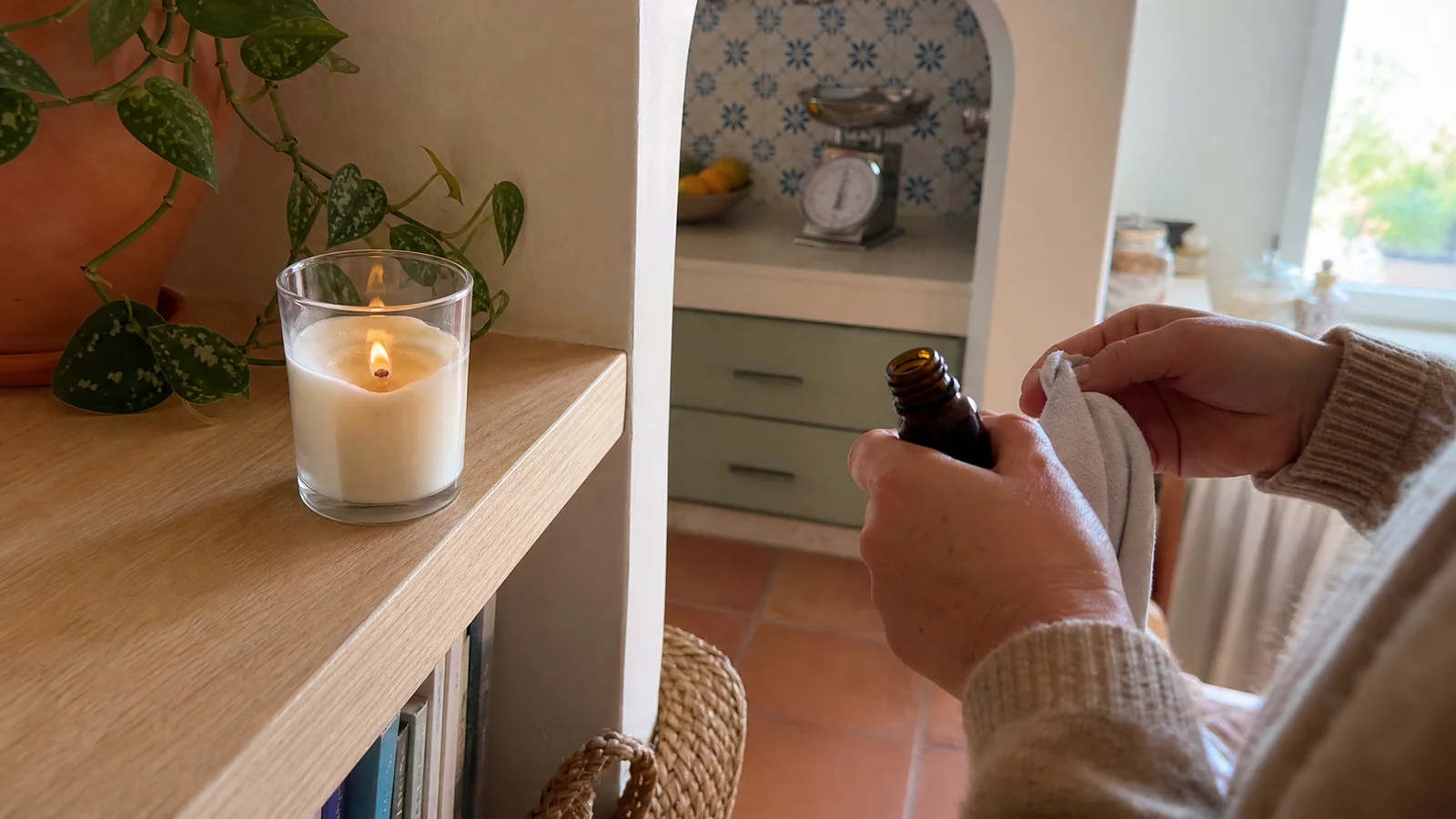
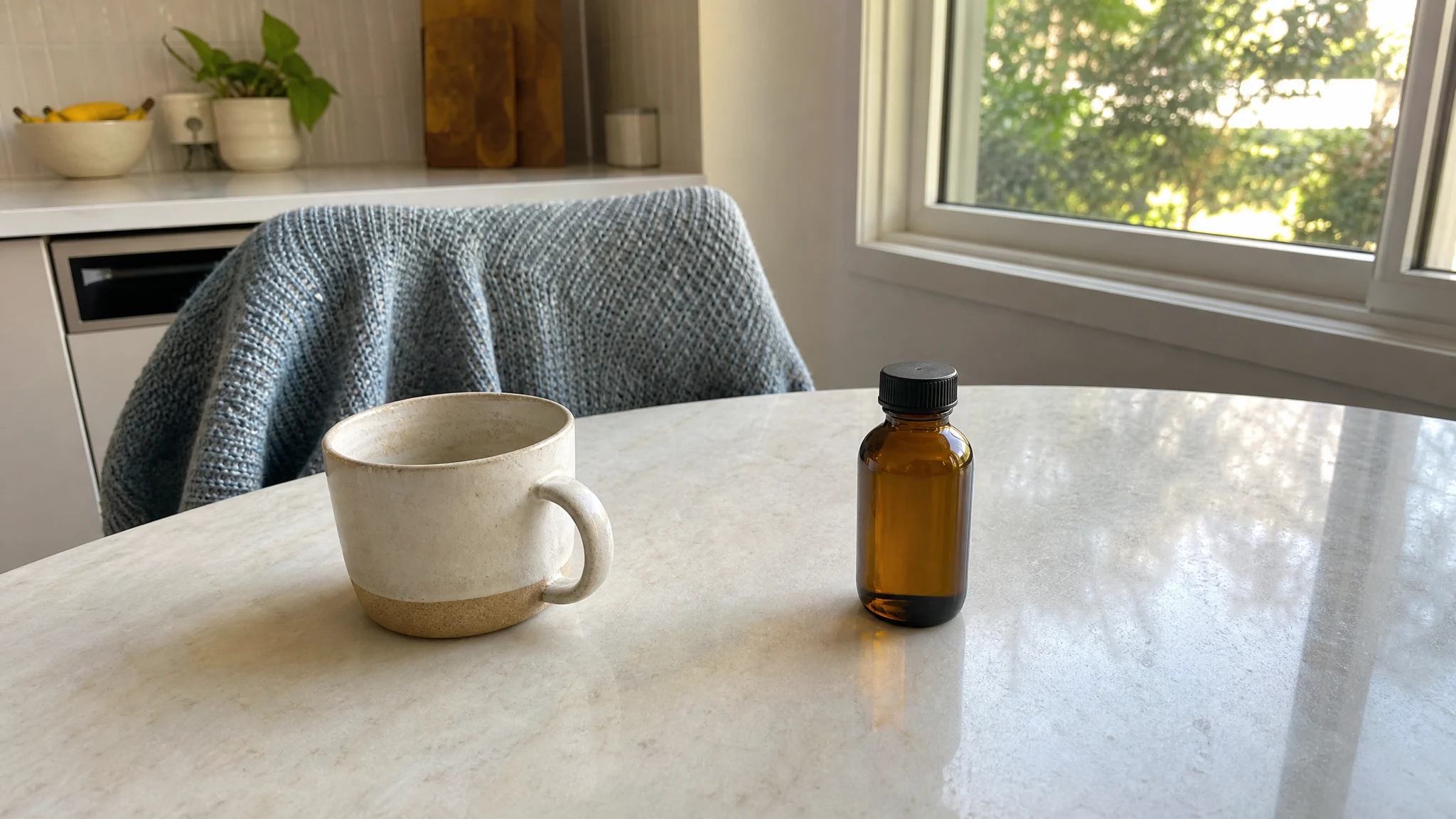
Whatever size you pick, a few small habits make it nicer to use. Write the date you opened it on the label. Keep a dropper or a small glass pipette in a clean jar so you never dip into the bottle. Decant a little into a smaller amber bottle if you will be working at a bench, and keep the main bottle closed on its shelf. It is a tidier way to work, and the scent stays truer for longer.
Why we lean small
Air is the first reason. The Tisserand Institute notes that heat, light, moisture and extra air in the bottle all speed oxidation (Tisserand Institute), and a big bottle opened often gathers a lot of air.
The second is volume itself. The MSD Manual puts the swallowed amount of oil of wintergreen that can kill a young child at under 5 mL (MSD Manual), and sweet birch oil is chemically almost the same material. Even our smallest bottle holds far more than that, so wherever you keep it, keep it capped, dated and out of reach of children and pets. Birch oil is also not the right buy for a children's product, a diffuser in a home with a baby or pets, or any internal or muscle-rub use. Pregnant or breastfeeding readers, and anyone on anticoagulants or sensitive to aspirin, should ask a doctor or pharmacist first (more here).
The third is knowing what you have before you commit. A small first bottle lets you look at the paperwork and smell the oil, and our guide to reading the lab report lists what to ask for.
If your arithmetic lands between two, take the smaller one and reorder.
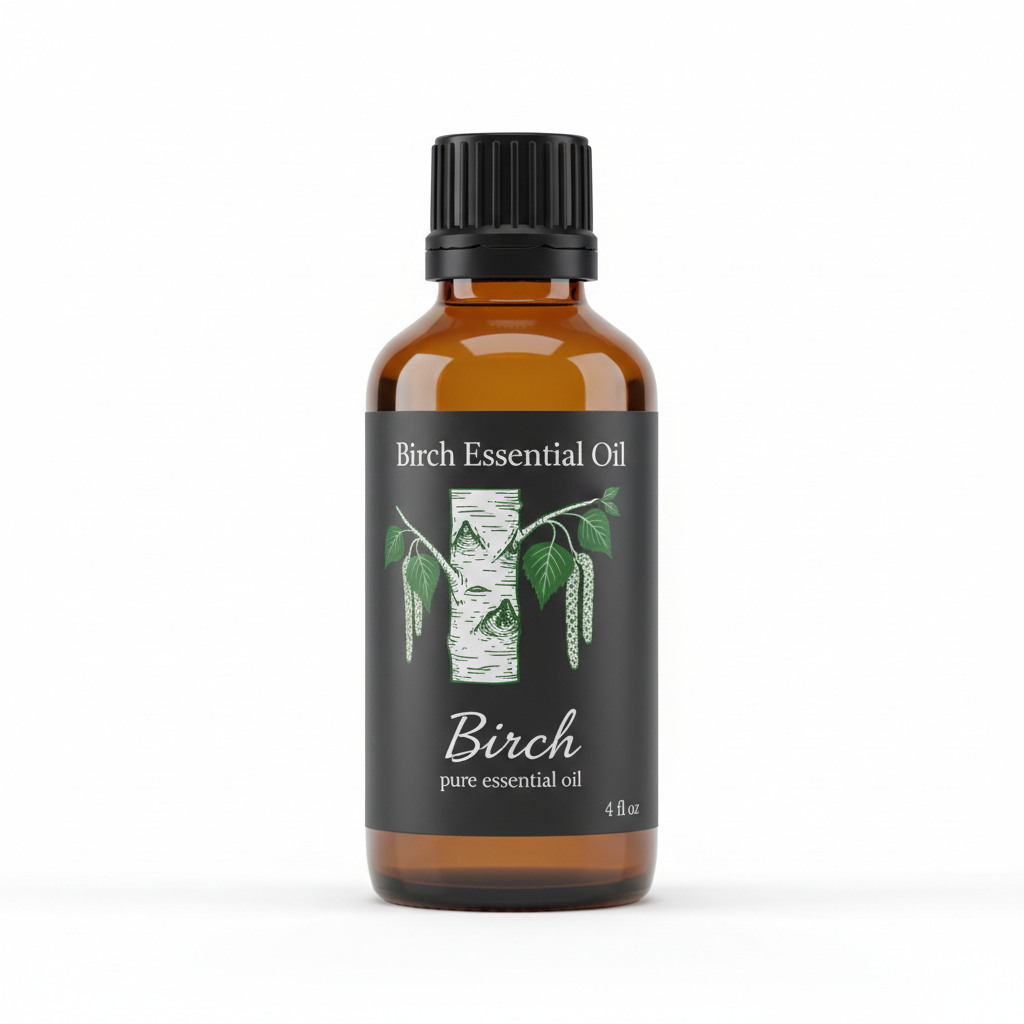
Birch Essential Oil
Birch Essential Oil from our own shop, in sizes from 1 oz to bulk.
From $17.99
Shop Now →Sources & Further Reading
- Tisserand Institute. Is my bottle of essential oil oxidized or no longer good to use? tisserandinstitute.org/?p=5639
- MSD Manual Professional Edition, April 2025. Aspirin and Other Salicylate Poisoning. msdmanuals.com