How to Store Birch Oil: Keep It Fresh and Out of Reach
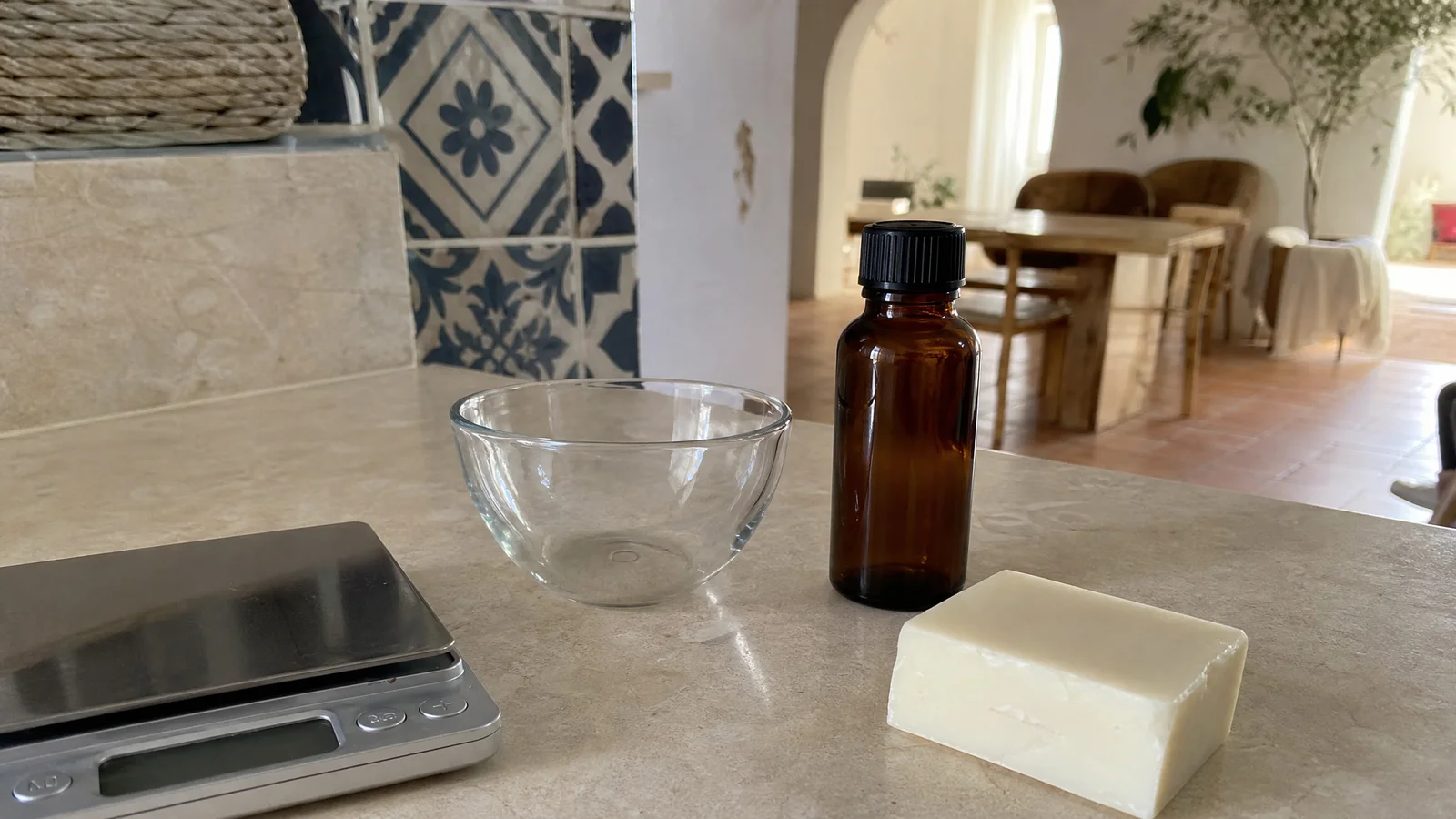
A bottle of birch oil asks very little of you: keep it capped, cool, dark and out of reach, and write the date on it when it arrives. We say it typically keeps 2 to 3 years that way. Here is the reasoning behind each rule, which makes them easy to remember.
When the bottle arrives
- Write the date on it. The Tisserand Institute advises noting the purchase or opening date, since shelf life runs from the day you start using it.
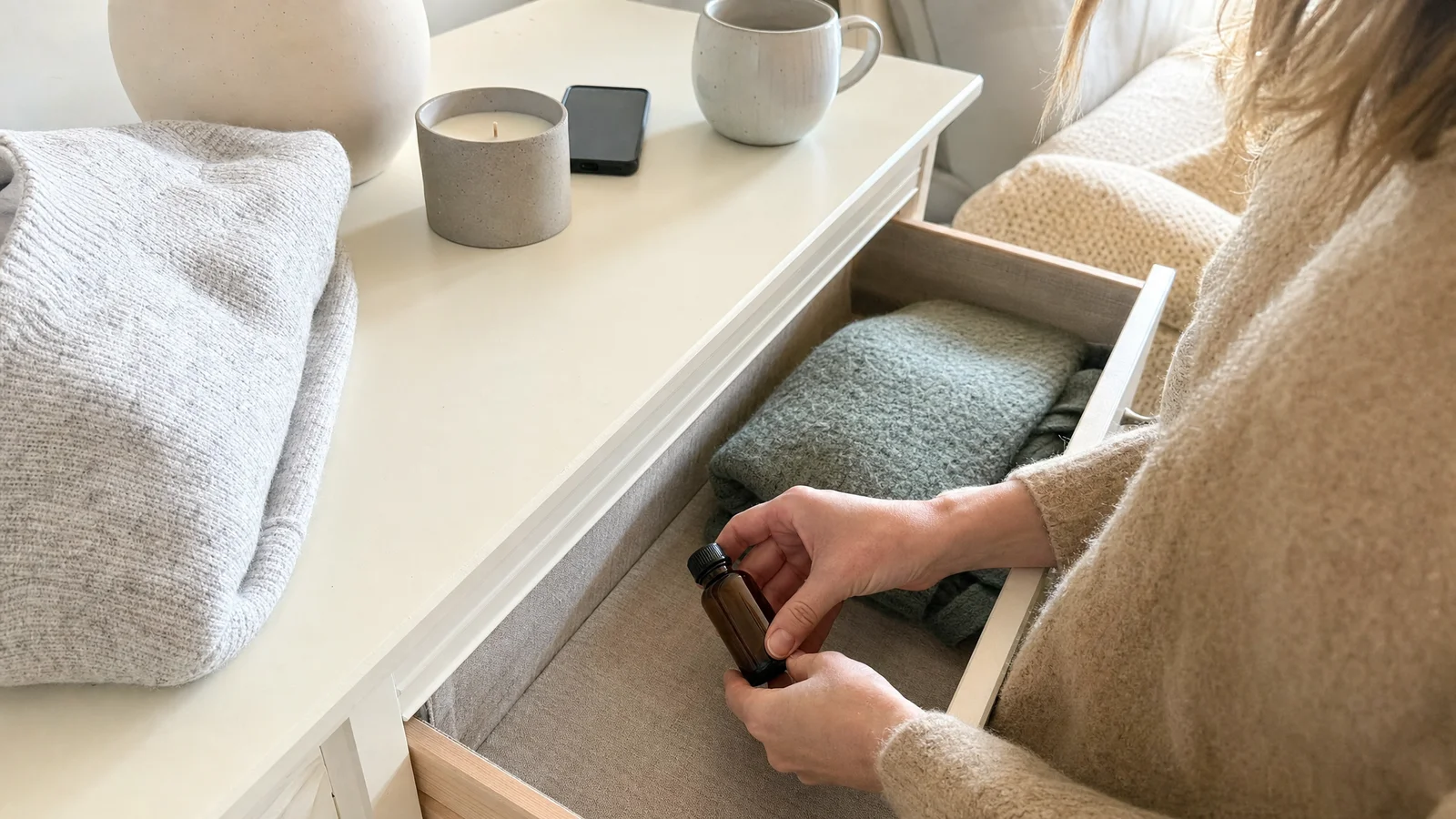
- Choose the spot first. A closed cabinet that children and pets cannot open, away from heat, sunlight and water. This is a safety rule before it is a freshness rule: the MSD Manual notes that swallowing under 5 mL of oil of wintergreen is equal to about 7,000 mg of aspirin and can kill a young child. Sweet birch is dominated by the same compound, so we treat it with the same respect.
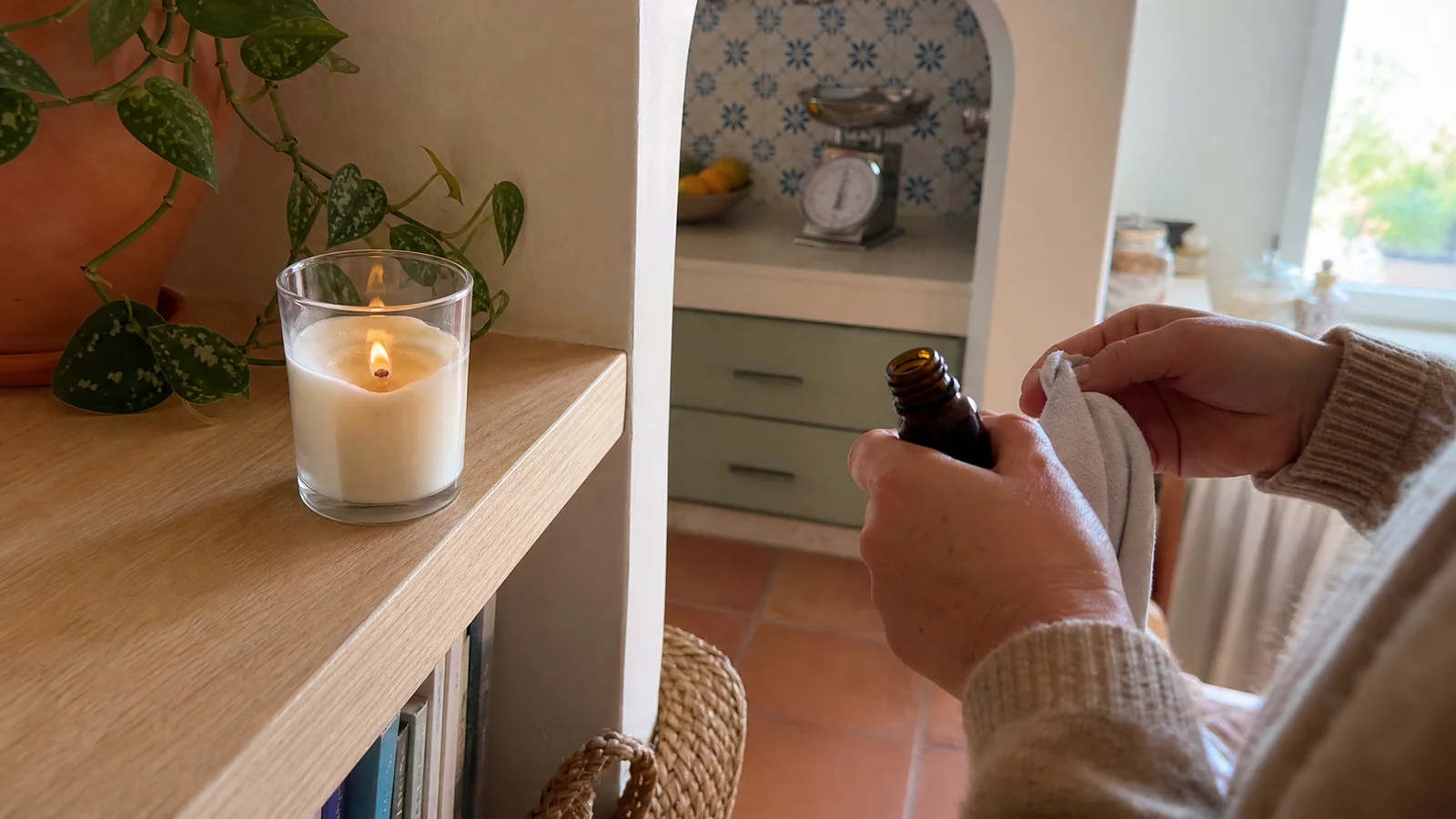
- Recap every time. Long stretches with the cap off, and a lot of air in the bottle, speed up oxidation.
- Keep it out of the kitchen. Our oil is not for internal use, and food areas are the wrong home for it.
It helps to build the habit around a single spot. Pick one shelf, box or cabinet where birch lives and nothing else, and put the bottle back there every time. A bottle with a home rarely ends up forgotten in a coat pocket, on a workshop windowsill or in a drawer with the children's craft supplies. If you keep a notebook for your candle and room-spray projects, tuck the purchase date and the date you first opened the bottle in there too.
What ages an oil
Oxidation is the main culprit. As the Tisserand Institute explains, oil constituents combine with oxygen to form oxides and peroxides, which can change the smell and raise the chance of skin reactions. Heat, light and moisture speed it along. Most essential oils keep well for at least a year or two, though that is a rough guide and depends on the oil's chemistry.
Birch has three details worth knowing. PubChem's reference data lists methyl salicylate as sensitive to light and heat, which is why amber glass and a cool shelf make sense. It is also only slightly soluble in water, so a wet dropper or a bottle that has seen condensation can carry a little water into the oil. And its closed-cup flash point is around 96 to 101 C, so keep it away from warming plates and wax melters. Add one piece of our own reasoning: methyl salicylate lacks the double bonds that make citrus and conifer oils oxidize quickly, so it plausibly holds up better than they do. We lean on the 2 to 3 years we state and do not promise more.
Checking an older bottle
- Smell it and compare it with your memory of the first opening. A flat or sharp, off smell is the clearest sign.
- Look at the colour. The standard on our published certificate is colorless to yellow, so a small shift is not conclusive, but obvious darkening or cloudiness is worth a question to the seller.
- Look for water droplets or a separate layer.
- If it smells right and is going into a candle or room scent, a small test batch will tell you more than any rule. If you doubt it, keep it off skin.
Trust your nose, but give it a fair chance. Smell the oil in a quiet room, away from cooking or other strong scents, with a clean blotter, and rest for a minute between sniffs. A rushed sniff after a morning of other oils can fool you in either direction.
Fridge or no fridge
Tisserand says refrigeration roughly doubles the useful life of an oil. For most makers a cool cabinet is plenty. If you do chill a bottle, use a separate small fridge, never the food fridge, label it clearly, and let it come to room temperature before opening so condensation stays out.
Habits that shorten a bottle's life
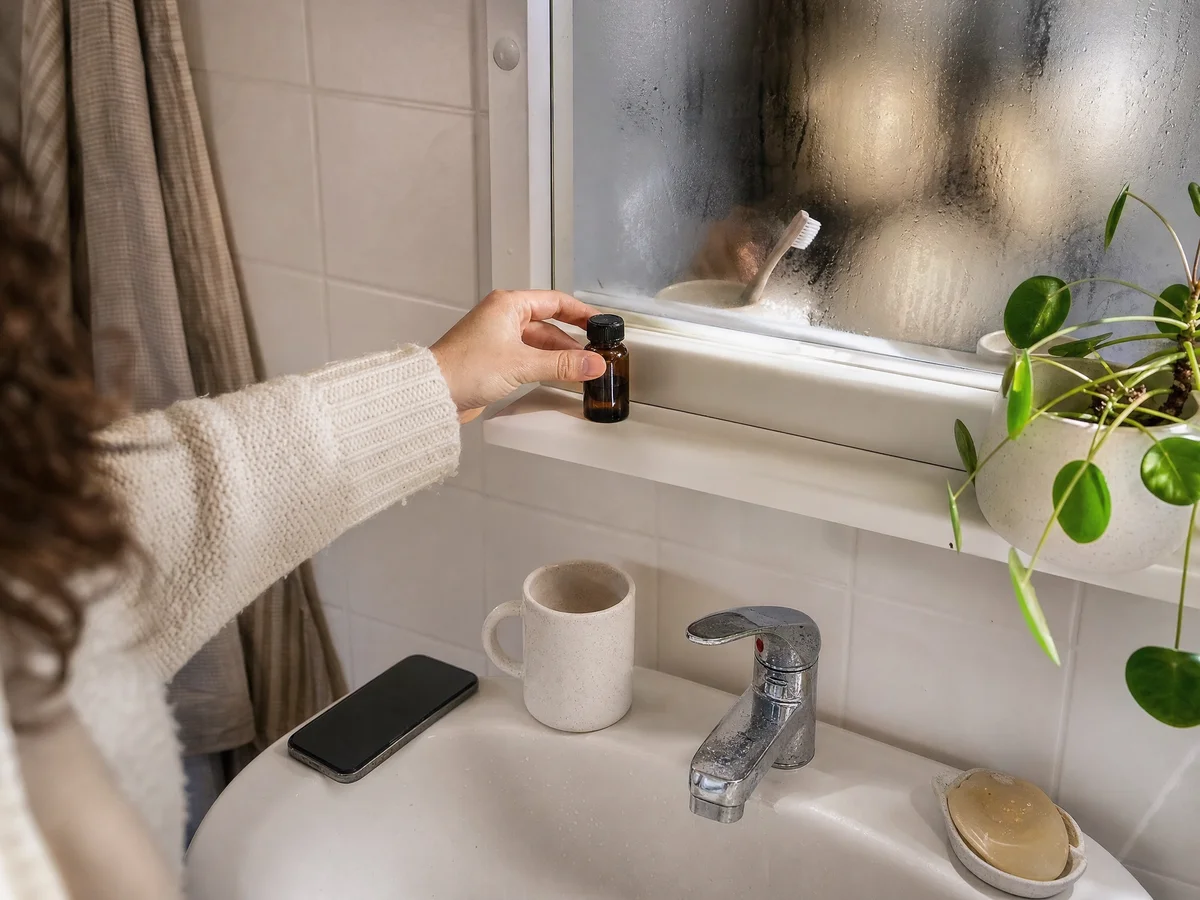
- A windowsill or the top of a radiator. Light and heat are the main drivers.
- Leaving a half-empty bottle open for months. A smaller bottle beats a large one that is mostly air.
- Wet pipettes and spoons. Water on tools can sit in the oil as a cloudy layer.
- Unlabeled transfer bottles. A clear bottle of candy-smelling liquid is exactly the situation the poison warnings are about, so label every decant with the name, the date and a hazard note.
Buying big, blending small
If you buy bulk, our bulk page suggests keeping the main container sealed and decanting working amounts into smaller airtight bottles, so each opening lets in less air. More on sizes is in our wholesale guide and our post on choosing a first size. Once the oil is in a candle, soap or spray, the finished product has its own shelf life. A product containing water needs a preservative system, which is a question for a cosmetic chemist. Date what you make and store it away from heat and light. Our room spray post covers a water-free approach.
When it is time to let go
Take oil you no longer trust to your local hazardous-waste program, not down the drain or into the trash where a child or pet could reach it. If anyone swallows it or gets it on skin, follow the steps in our first-aid post and call Poison Control. If you are pregnant, breastfeeding, on blood thinners or sensitive to aspirin, our aspirin sensitivity guide is a good start, and a pharmacist or physician can advise you.
Questions are welcome on the contact page.
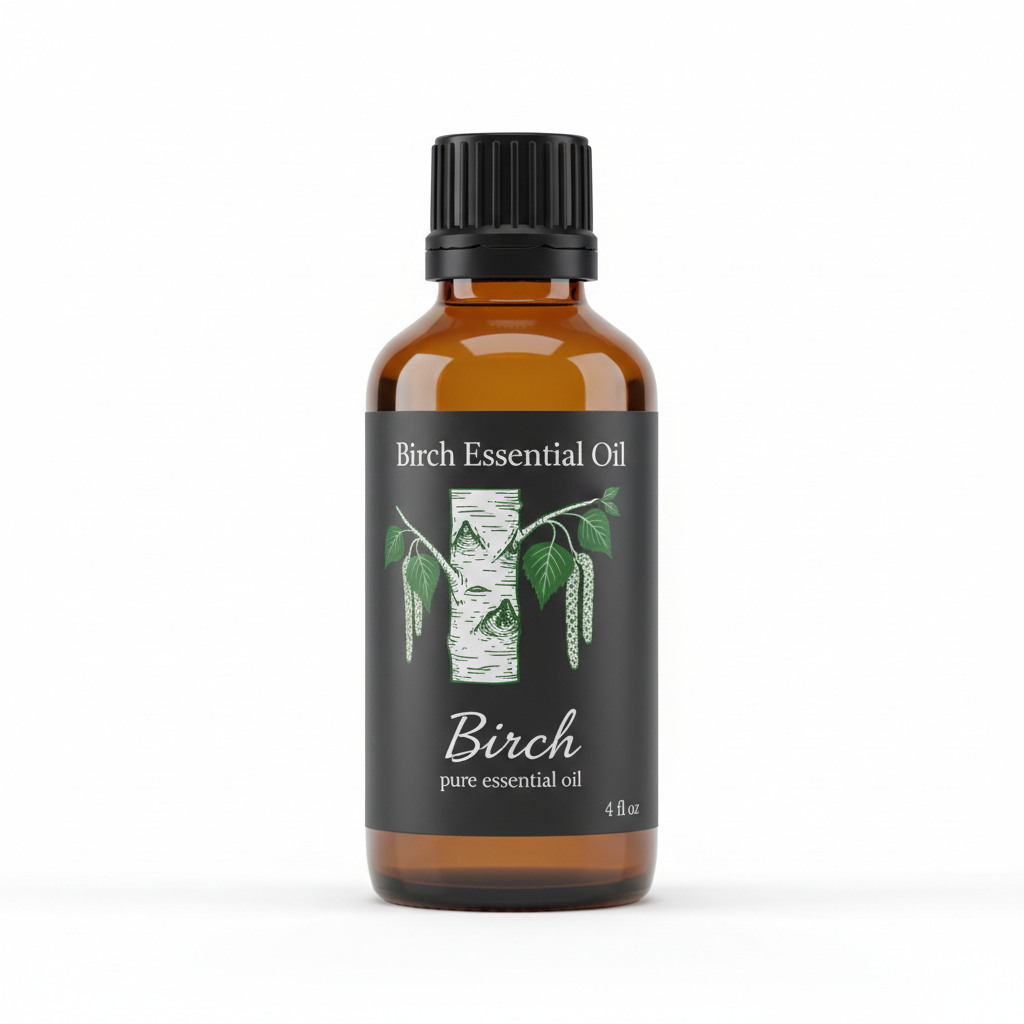
Birch Essential Oil
Birch Essential Oil from our own shop, in sizes from 1 oz to bulk.
From $17.99
Shop Now →Sources & Further Reading
- Tisserand Institute, Is my bottle of essential oil oxidized or no longer good to use? tisserandinstitute.org/?p=5639
- PubChem, Methyl salicylate (CID 4133), experimental properties. pubchem.ncbi.nlm.nih.gov/compound/4133
- MSD Manual Professional Edition, April 2025. Aspirin and Other Salicylate Poisoning. msdmanuals.com