How Birch Oil Is Distilled: From Bark to Bottle
Most essential oils float on the water that distils over with them. Birch oil sinks. That one oddity says a lot about how sweet birch oil is made, because it is a heavy, nearly single-compound oil from a tree that gives up very little of it: roughly a gram of oil from a kilogram of material, or less.
Step one: dry the bark and cull the poor pieces
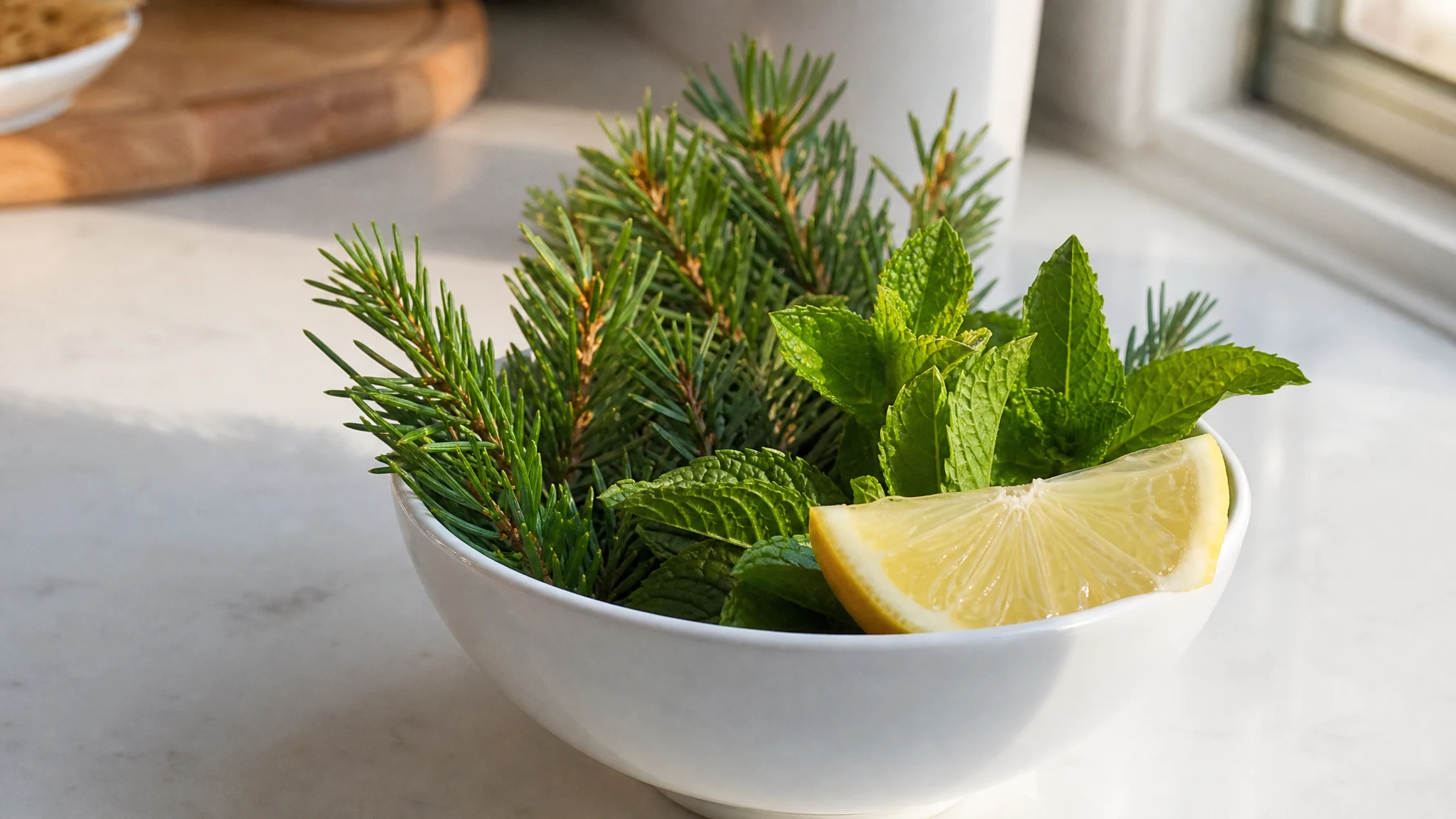
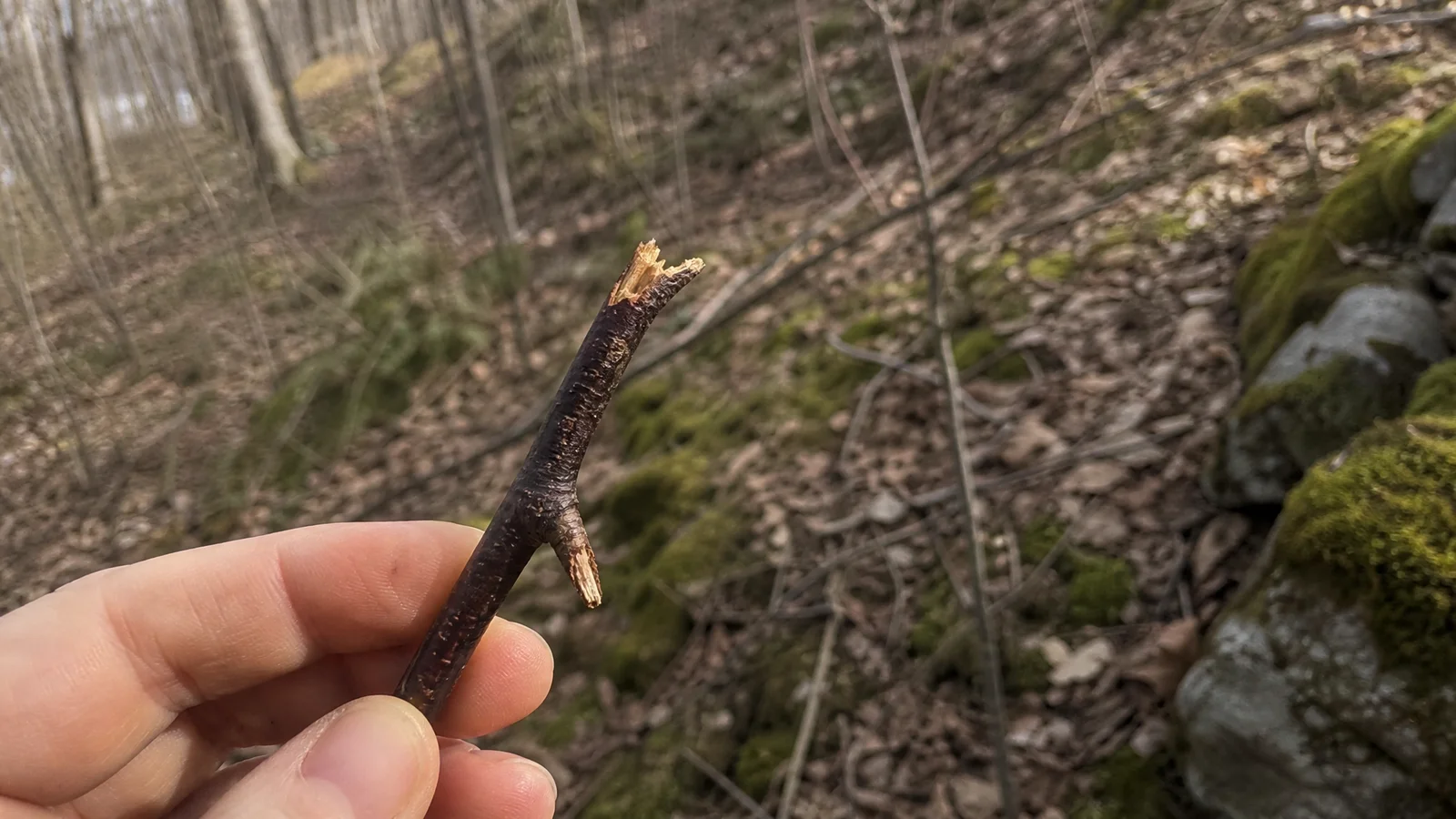
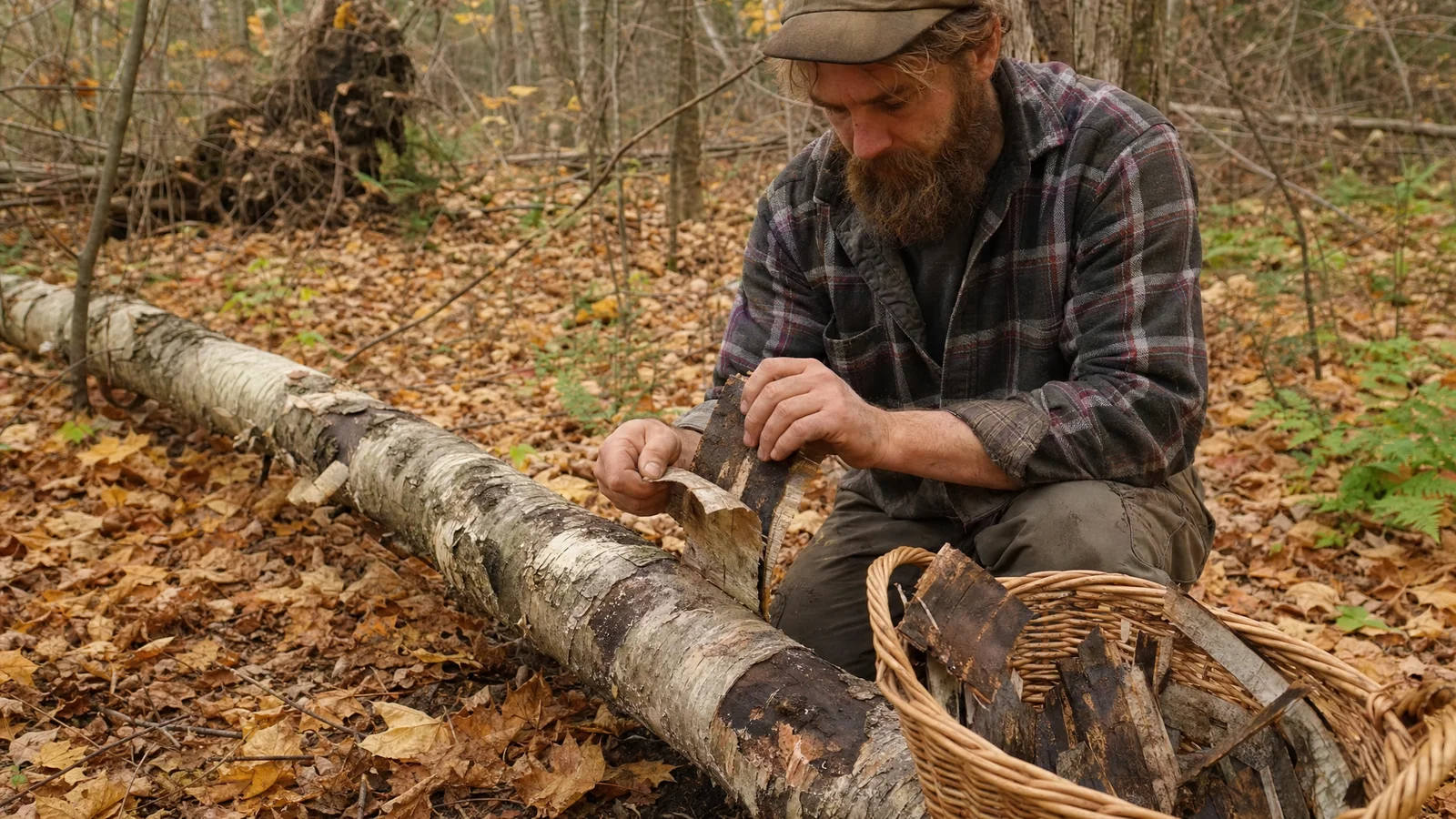
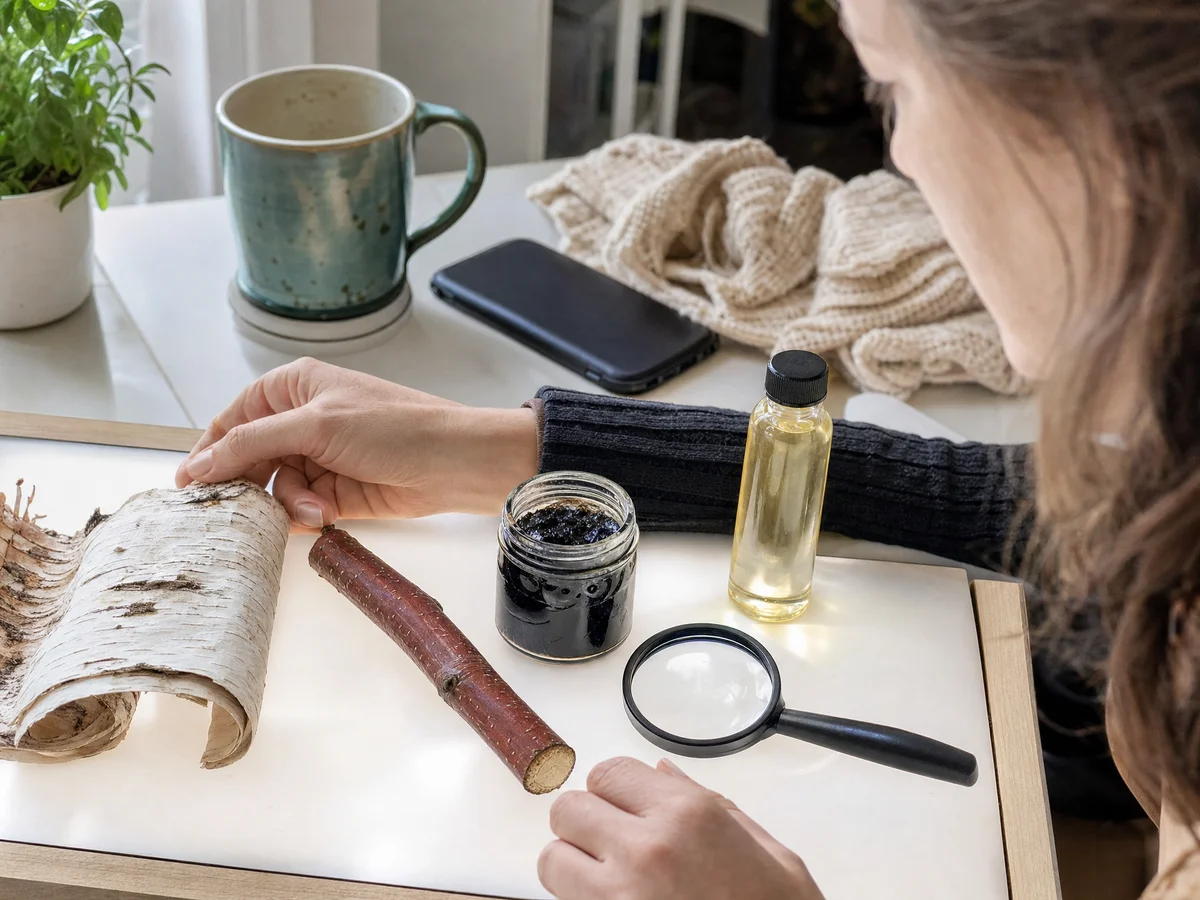
In the one published study that describes the process in detail, researchers collected Betula lenta bark in McKean County, Pennsylvania and air-dried it before anything else (Dosoky et al., 2022). We describe our own oil the same way at the start: bark and fine twigs, with anything showing mould, insect damage or excess moisture thrown out. That rule makes sense when you remember the oil is more than 93% one compound. There is almost nothing for an off-note to hide behind, so a poor charge shows in the bottle.
Step two: soak before you distil
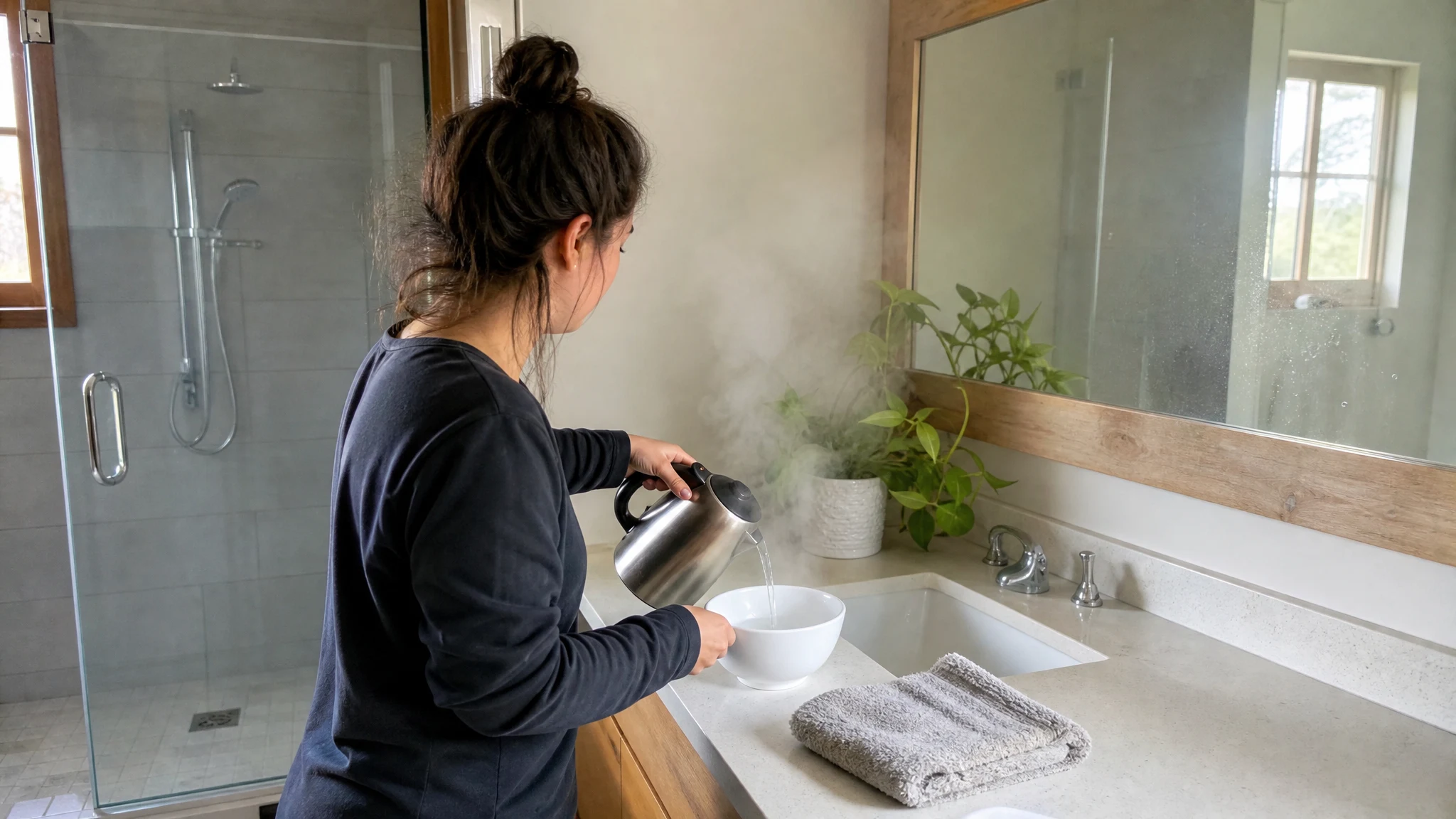
This is the step generic guides skip. In the study, the dried bark was fermented in water at 50 C for 8 to 10 hours, and the soak was considered finished when the pH settled between 3 and 4 for more than two hours. The paper does not explain the chemistry behind it, and we will not guess at it. What we can say is that the aroma is not simply sitting in the bark waiting to be steamed out: a warm-water soak before distillation is part of how sweet birch oil develops its character, and it is how ours is made.
Step three: a long, patient run
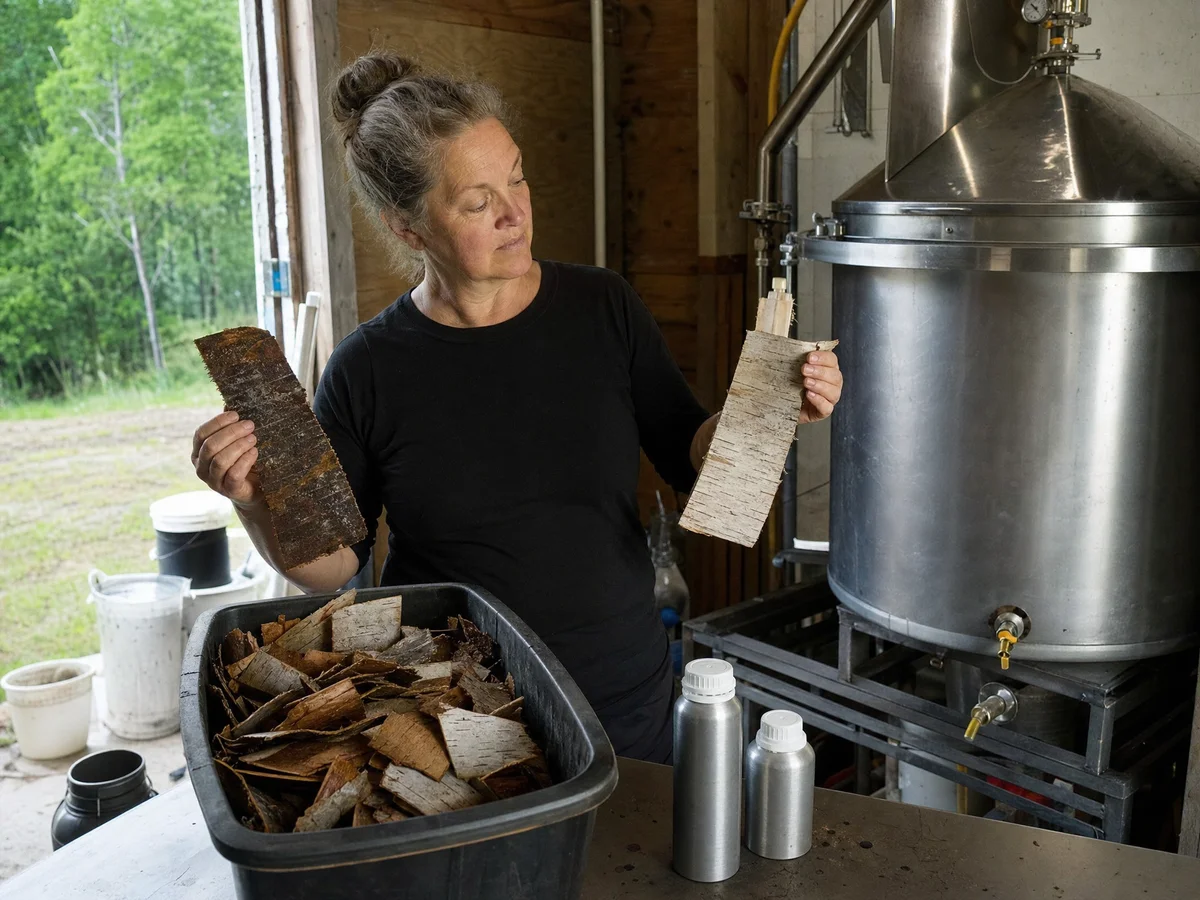
The study ran two setups. A laboratory Clevenger-type apparatus ran 6 to 10 hours, and an industrial distiller of 5.5 cubic metres, operated at 600 kPa, also ran 6 to 10 hours, starting slowly for two hours and then holding about 2 litres a minute. The oils from both came out almost identical, with methyl salicylate between 93.24% and 99.84%, and a yield of 0.07% to 0.1%.
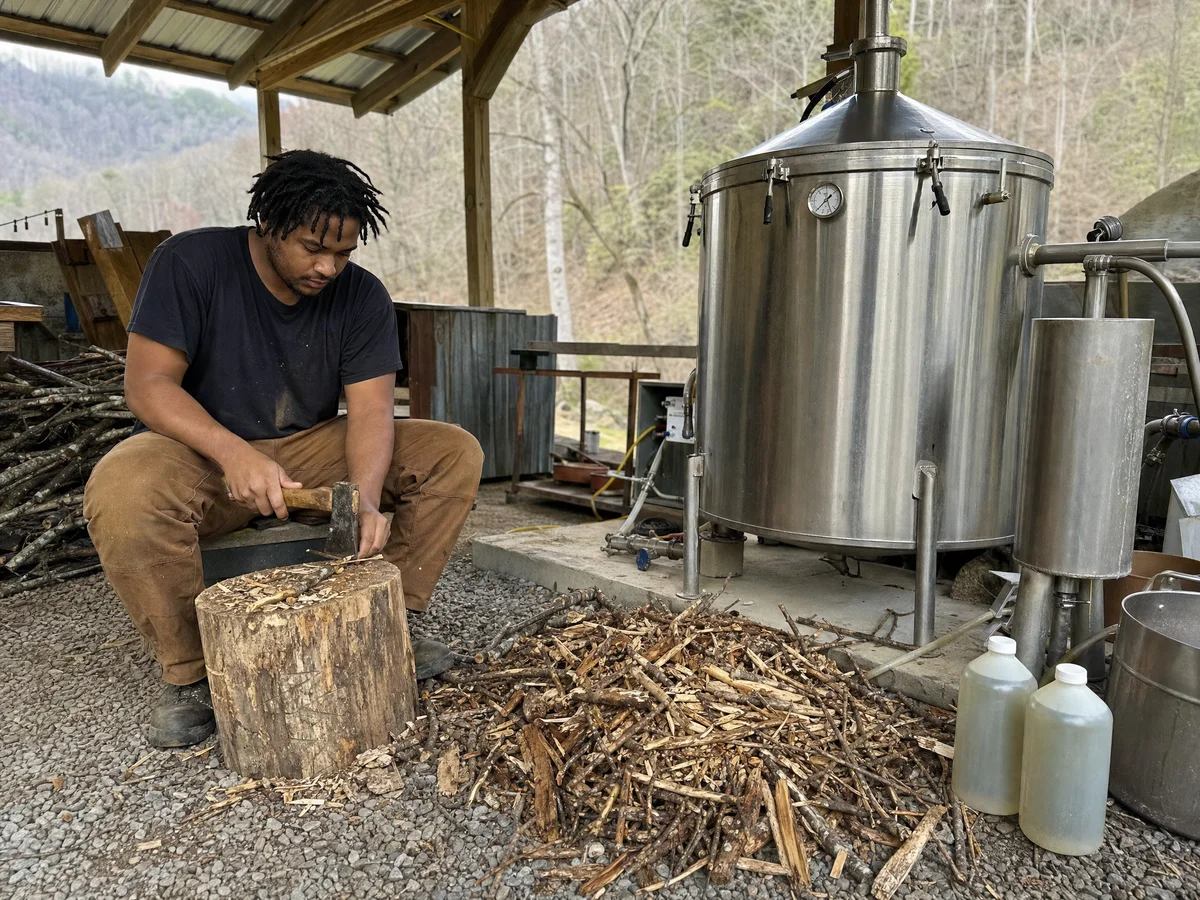
The older way looks very different. A recollection in the Smoky Mountain News describes a mountain still of two-inch wood planks, a cap, a worm condenser and a furnace, producing half a gallon to three quarts of oil from a day-and-night run, with something like a hundred saplings going into a quart (Ellison, 2018). The principle matches how we run ours: the still is emptied when the plant material is spent, not when the clock says so.
Step four: let it settle, downward
Methyl salicylate has a density between 1.176 and 1.185 and dissolves in water only to about 0.74 g/L at 30 C (PubChem, CID 4133). In Ellison's account the oil dripped into a can of water and sank straight to the bottom. Reasoning from those numbers, a separator built to skim oil off the top will not work for birch, and the leftover water holds a trace of dissolved oil, so it is not a neutral by-product.
If you picture the whole process, it is a slow one. Bark that has to be sorted and soaked, a long run at the still, and then a small amount of heavy oil at the end of all that work. It is a good reminder of why a tiny drop of birch goes so far in a blend, and why it deserves a careful hand.
Step five: bottle, date, label
We fill undiluted oil into amber glass and date each bottle with a still date, fill date and lot reference, so a bottle can be tied back to a batch. For storage once it arrives, keep it tightly capped in a cool, dark place, where it typically lasts 2 to 3 years; the storage article has the rest. The Certificate of Analysis we publish is for one batch and covers density, refractive index and optical rotation, so for a report on a particular lot, ask us in writing through the contact page.
When a bottle arrives, hold it to the light. It should look clear, from colorless to pale yellow, and the amber glass is there to keep light off the oil. Open it and take a small sniff from a hand's width away. You will notice sweet, cool and woody, a little like root beer, and a lot stronger than you expected. That first impression is a good reminder of how little you need.
A few questions worth asking any seller
Does the description name the species and the plant part? Does it mention a soak, and how long the run takes? Is there a date or lot reference tying the bottle to a batch? Our article on the chemistry of birch oil explains what a lab report adds, and the harvest article looks at the forest side.
Why we leave distilling to the professionals
People do ask if they can make their own. Our honest answer is that this is a good oil to enjoy rather than to make. Poison Control describes swallowing wintergreen oil, nearly the same compound, as roughly the equivalent of swallowing a large number of adult aspirin tablets (National Capital Poison Center), which is a lot to concentrate in a home kitchen. And the soak depends on temperature, time and pH. Before you handle any of it, read the first-aid article, and if you want to understand the oil, smell it diluted; the aroma article explains how.
Birch Essential Oil
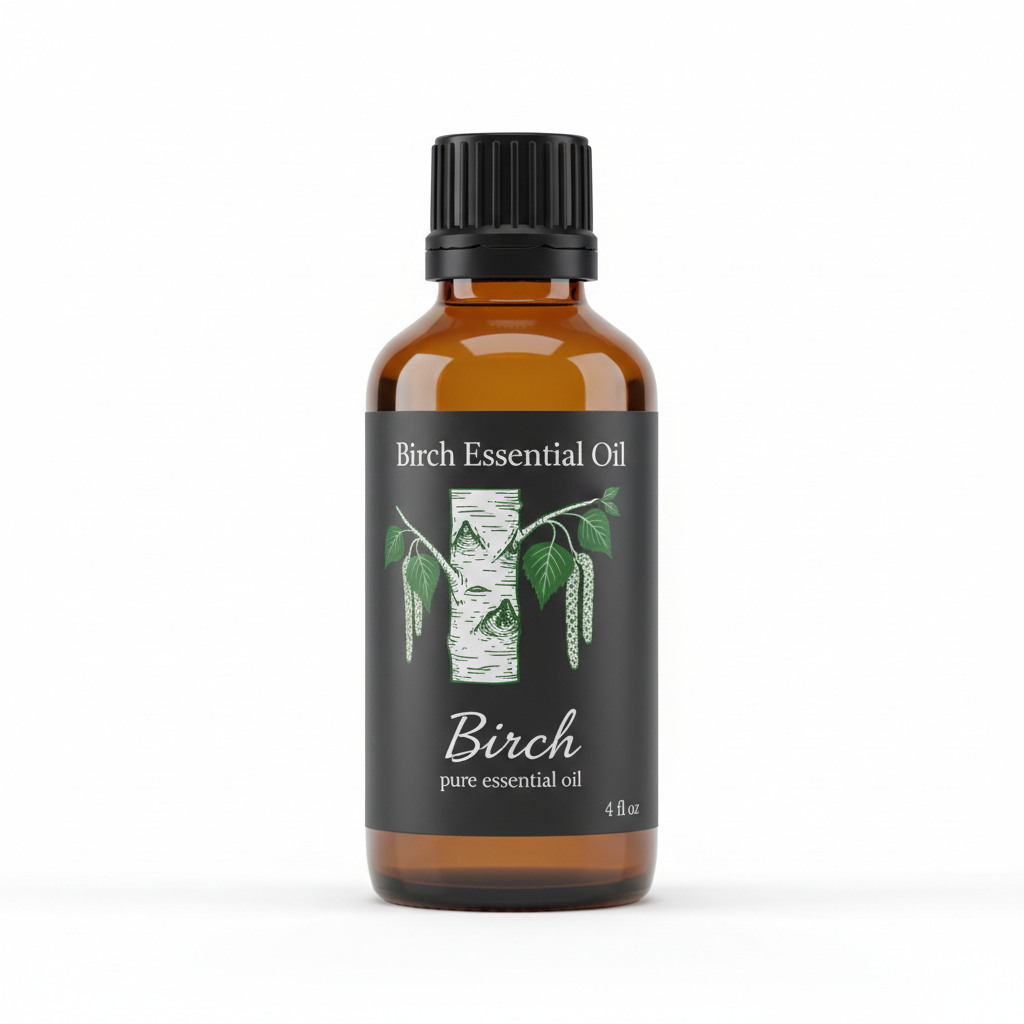
Birch Essential Oil from our own shop, in sizes from 1 oz to bulk.
From $17.99
Shop Now →Sources & Further Reading
- Dosoky NS, Poudel A, Satyal P, 2022. Authentication and Market Survey of Sweet Birch (Betula lenta L.) Essential Oil. Plants 11(16):2132. pmc.ncbi.nlm.nih.gov
- Ellison G, 2018. Birch stills were once plentiful in the mountains. Smoky Mountain News. smokymountainnews.com
- National Library of Medicine. PubChem, Methyl salicylate (CID 4133), experimental properties. pubchem.ncbi.nlm.nih.gov
- National Capital Poison Center. Essential oils. poison.org