How to Wick a Birch Candle: A Burn Test Walkthrough
The wick that suits a birch candle is the one that passes a burn test in your own vessel, with your own wax, and no chart can tell you that in advance. Wick sizes are brand-specific numbers, so a chart is a starting point. What follows is the sequence that gets you from that starting point to an answer.
Freeze everything except the wick
Pick one wax, one vessel, one oil lot and one fragrance load before you touch a wick. A soy wax data sheet (supplier-issued technical sheet) is blunt about why: every combination of container, wax, dye, fragrance and wick has to be tested for burn quality. Change two things at once and you cannot tell which one moved the result. If you are still choosing a load, the three-rung ladder in our candle making guide keeps birch itself between 0.25% and 1% of the wax weight, and the rest of your fragrance carries the woods.
Keep a log from the very first jar. A simple page with the date, the wick, the wax, the load and a few words on what you saw is worth far more than memory, and two nearly identical jars blur together quickly after a week of testing.
Start from the maker's chart, then adjust for the load
Use your wick supplier's chart for your vessel diameter as the first pick. Candle Science calls its chart a starting point and says to wick up one or two sizes when a candle carries more than about 1 oz of fragrance per pound of wax, or dense fragrance or heavy dye, and to go down for less. Its explanation of sooting is simple: too much fuel, meaning wax plus fragrance plus dye, is being pulled up the wick.
One ounce per pound is 1/16, or 6.25% by weight, so most birch blends sit comfortably below that line. If you later push the total fragrance past it, treat the candle as a new test rather than an extension of the old one.
Run the burn the way a test is run
The routine below is a supplier convention, not a formal standard, but it is concrete and easy to log (Candle Science burn test).
- Let the candle cure. Data sheets ask for anything from 12 hours to 48 before a test burn, so wait at least a day, longer if your wax sheet says so.
- Trim the wick to 1/4 inch. The U.S. Consumer Product Safety Commission advises trimming before every lighting.
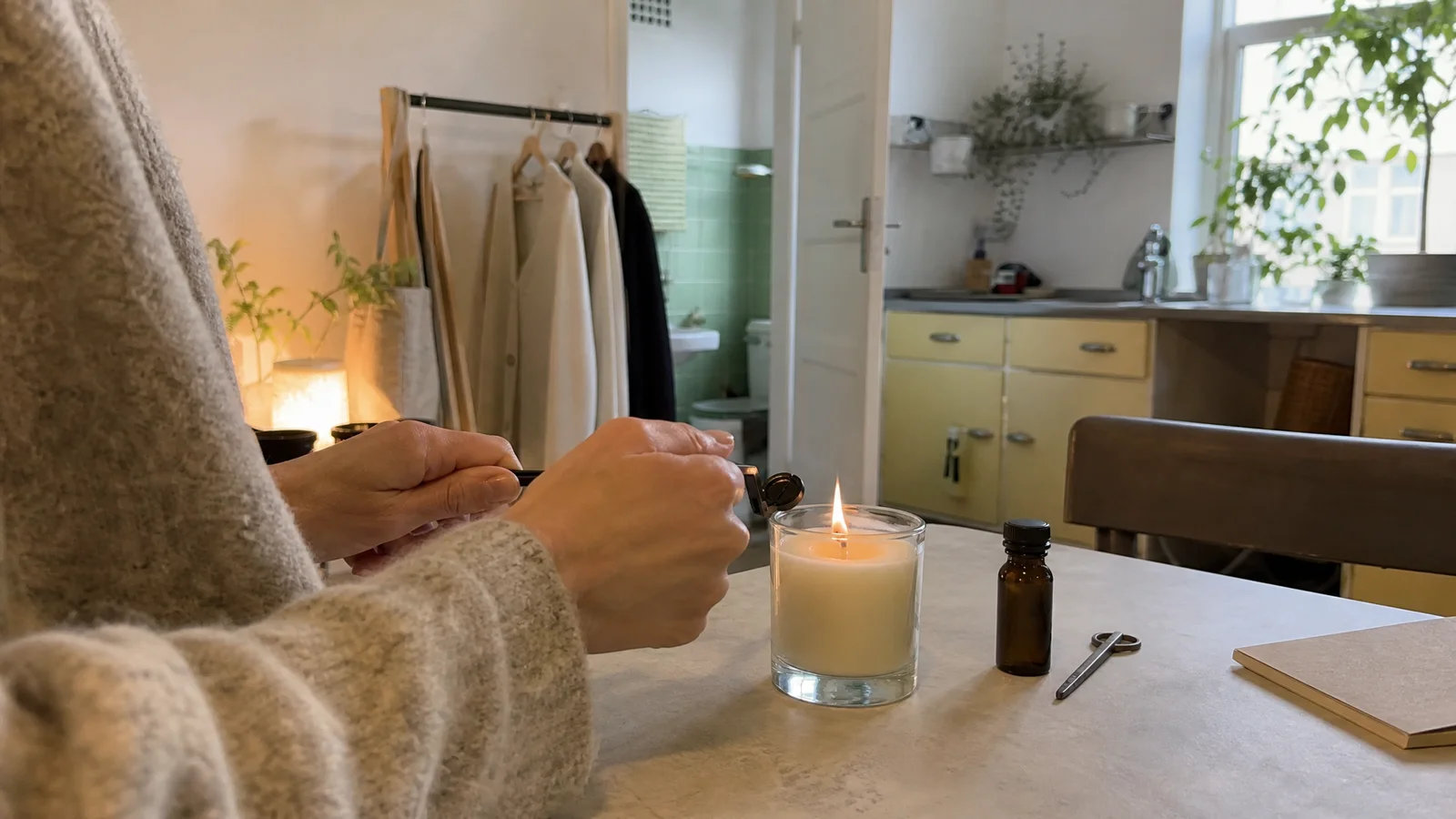
- Light it and check hourly. Put it out after four hours, let it cool at least five, and repeat.
- At hours three to four, note how near the melt pool reaches the vessel edge (aim for within about 1/4 inch), the pool depth, the flame height and the soot color.
- Keep going until about 1/4 inch of wax remains. A wick that behaves at hour four can still struggle near the end as the vessel heats up.
Typical anchors from the same source: a pool 1/4 to 1/2 inch deep after three to four hours, and a flame around an inch tall, with up to two inches being normal. Soy soot is pale and paraffin soot is dark. Use these as reference points for your log rather than pass or fail marks.
Set up the test somewhere sensible: a heat-safe surface, away from drafts, curtains, pets and anything that can tip. A draft alone can make a good wick look bad, with a flickering flame and a lopsided pool, so give the candle still air before you judge it. Write down the room as well, whether it was warm or cool, since that can nudge the result.
Reading what the flame tells you
| What you see | Usually means | Next move |
|---|---|---|
| Tunneling, small flame, pool well short of the edge | Wick too small | Go up one size and repeat |
| Tall flame, soot, guttering, fast burn | Wick too large | Go down one size, and check the load did not creep up |
| Unstable flame at a sensible size | Wick type may not suit the wax or fragrance | Change the type, not the size |
| Frosting or an oily surface | A wax and fragrance compatibility question | Drop one load rung, leave the wick alone |
The first three rows follow the soy sheet and the AFI USA explainer on undersized wicks. The late-burn row is our own reasoning, which is why the test runs to the bottom of the jar.
Fix the burn first, then the scent
Do things in that order. An oversized wick can make a candle smell strong for the wrong reasons, so judge throw only once the burn is healthy. When you get there, our weak scent throw fixes pick up where this leaves off, and the wax comparison helps if the wax is part of the story.
Two practical notes. Never leave a test burn unattended, which is the first tip in the CPSC's 2001 candle fire release. And methyl salicylate vapor can irritate eyes and airways (NOAA CAMEO), so test in a ventilated room. If you plan to sell your candles, a candle compliance consultant can review your burn records and labels.
When it finally works
The reward is a candle that burns evenly, with a flame that sits steady and a melt pool that glistens right out to the edge. When the cool, sweet scent drifts across the room, you will know the work was worth it. Write the winning combination on a card, keep it with your recipe, and use the same wick next time instead of reopening the question.
That log is worth more than any chart.
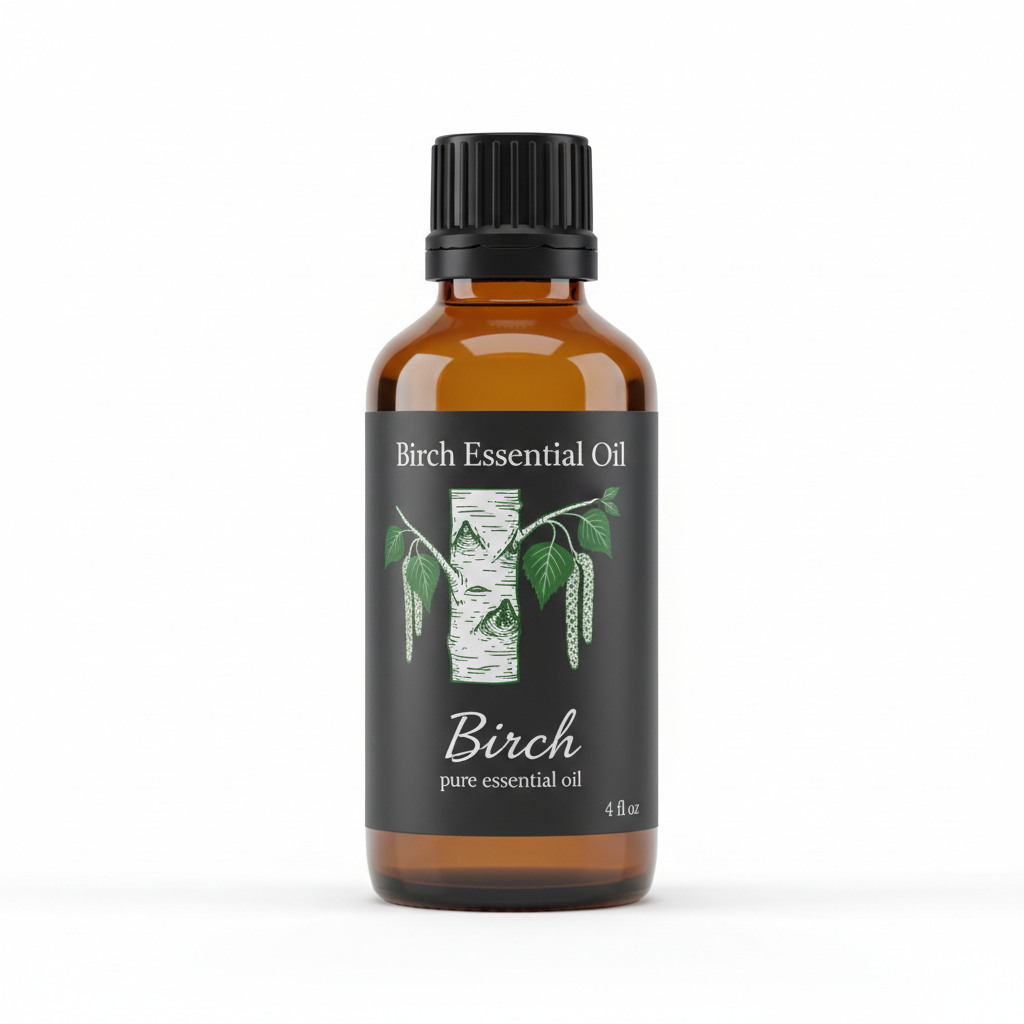
Birch Essential Oil
Birch Essential Oil from our own shop, in sizes from 1 oz to bulk.
From $17.99
Shop Now →Sources & Further Reading
- Candle Science. How to properly wick container candles.
- Candle Science. How to Conduct a Burn Test.
- Soy Wax Container Technical Data Sheet v5.0 (supplier-issued).
- AFI USA. Why your candle scent isn't strong enough.
- U.S. CPSC, 2001. News release on residential candle fires.
- NOAA CAMEO Chemicals. Methyl salicylate.