Does Birch Oil Go Bad? Reading an Old Bottle
Nobody throws away a bottle of oil on its birthday, and most of us only ask whether it has gone bad when we find one at the back of a drawer. Birch oil ages slowly when it is looked after, and the useful question is not "is it expired?" but "what am I about to use it for?"
What is happening inside the bottle
Oxidation is the word to know. Oxygen in the air slowly reacts with the compounds in an essential oil and turns some of them into other substances, oxidation products. The Tisserand Institute explains that heat, light and moisture speed this up, that the more air there is in the bottle the faster it goes, and that oxidation products tend to be slightly toxic and can raise the chance of a skin reaction. Most oils keep well for at least a year or two before it matters, and the range runs from about a year to several years depending on the oil.
For birch we say it typically keeps 2 to 3 years capped, in a cool, dark place away from heat and sunlight. We put a fill date and a lot reference on our bottles and use amber glass for exactly this reason, so the date you write on the bottle when it arrives can sit next to ours. PubChem's reference data describes methyl salicylate, the main component of sweet birch, as sensitive to light and heat, which is why a sunny shelf is the wrong home.
Reading an older bottle
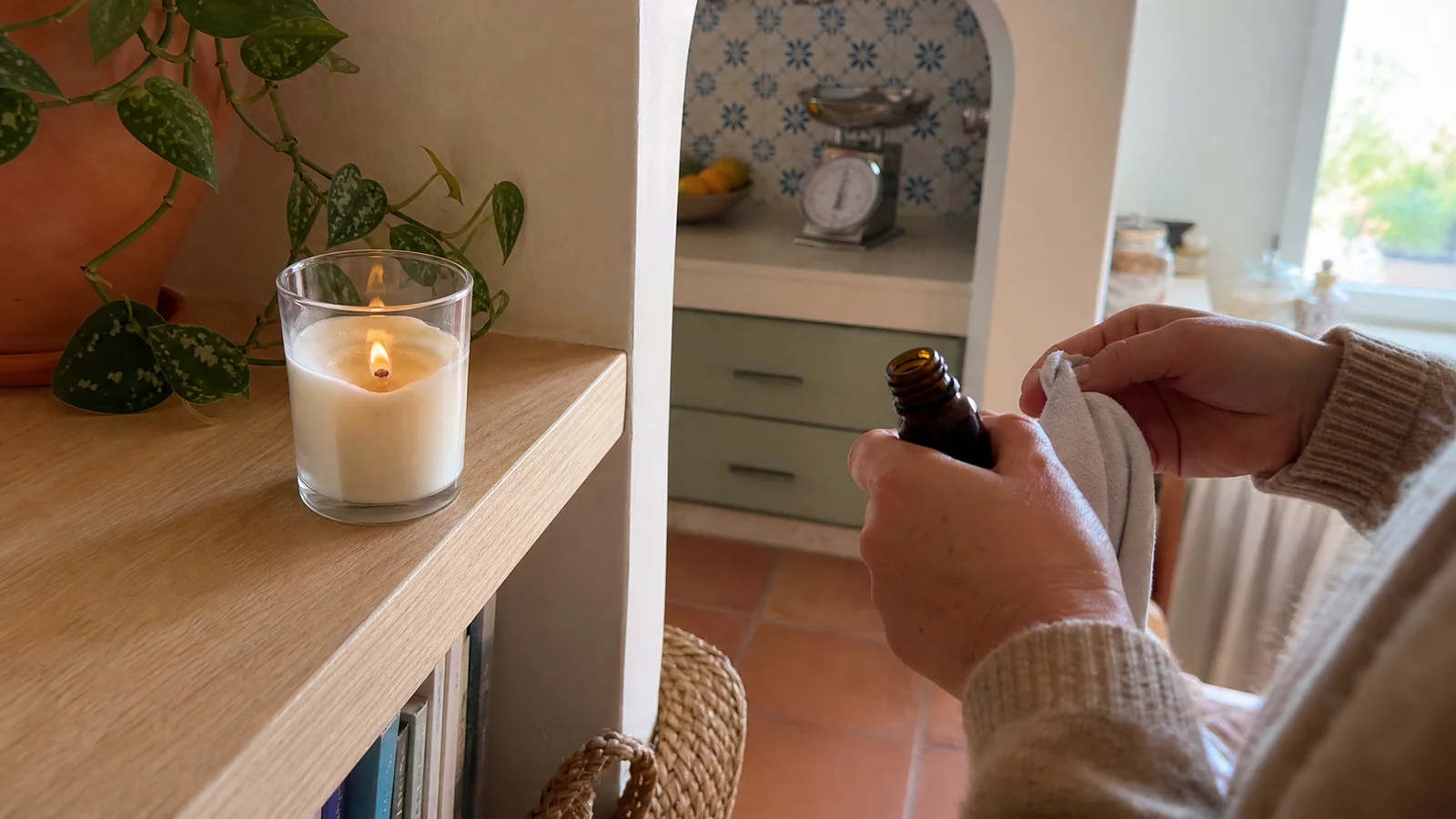
Start with your nose, in a quiet room with a clean paper strip, and compare against your memory of the first opening. Tisserand lists the tell-tale signs: the smell changes and the brightness fades, and very old oils can thicken. Birch has its own wrinkle. It is a strong, sweet, cool smell, so an aged bottle is more likely to smell a little flatter or sharper than to lose its scent. Trust the comparison with a fresh memory. A change in how the oil pours, a cloudy look or droplets of water at the bottom would also make us stop.
Colour is a weaker clue than the nose. The standard on our published Certificate of Analysis describes the oil as a colorless to yellow liquid, so a faint yellow tone does not mean anything by itself. Obvious darkening or a sticky film around the cap is a different matter.
What we would do with it
This is our own reasoning from the oxidation facts above, not a rule from a source: match the standard to the use.
- Smells as it did, going into a candle, room spray or reed diffuser. Reasonable to use. Smell the finished product as well, since the final scent is what counts.
- Smells different, going into a candle. Use it for a small test, not a holiday batch, or retire it.
- Anything that touches skin. Use fresh oil. If you have doubts about the bottle, keep it off skin, because oxidation products are the ones tied to skin reactions. Even fresh birch is a trace-dose oil on skin, as our dilution chart explains.
- Smells off, looks cloudy or has a separate layer. Retire it.
Slowing it down
Tisserand says refrigeration roughly doubles an oil's useful life, which is helpful if a bottle will sit for years. If you chill one, use a separate small fridge, never the food fridge, and let it reach room temperature before opening so no condensation gets in.
The cheaper move is reducing air. If you buy a larger size, our bulk page suggests keeping the main container sealed and decanting working amounts into smaller airtight bottles, so each opening of the big one lets in less air. Our storage post covers the full shelf routine, and the bottle size guide helps you pick a size you will actually finish.
Letting a bottle go
Do not pour birch oil down the drain or into the household trash where a child or pet could reach it. Ask your local household hazardous waste program how it takes unwanted oils. Birch is mostly methyl salicylate, a relative of aspirin, so the bottle belongs out of reach until it is gone, and our first-aid post covers what to do if anyone gets it on skin or swallows it.
An older bottle is not an emergency, just a prompt to use your nose and your judgment. Date it, cap it, keep it cool, and it will serve a good many candles.
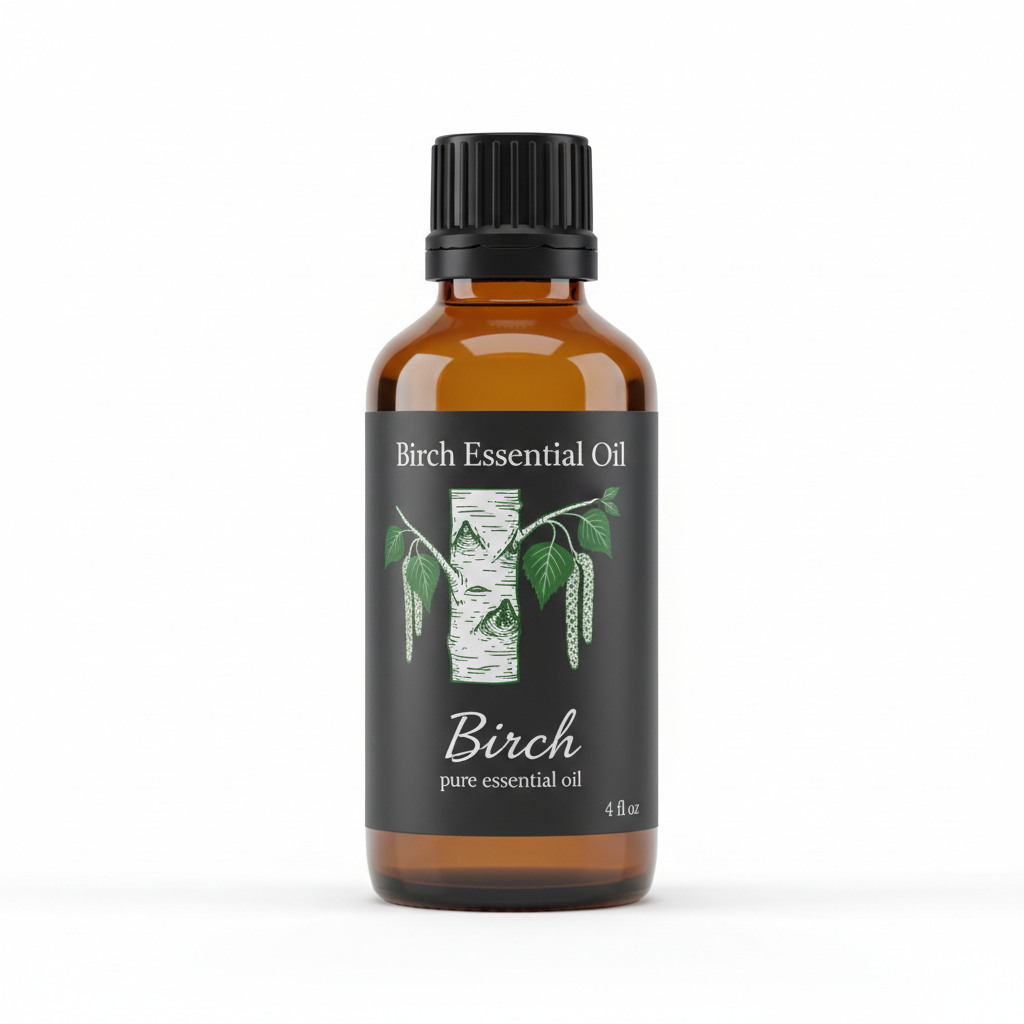
Birch Essential Oil
Birch Essential Oil from our own shop, in sizes from 1 oz to bulk.
From $17.99
Shop Now →Sources & Further Reading
- Is my bottle of essential oil oxidized or no longer good to use?, Tisserand Institute
- Methyl Salicylate, PubChem compound summary, National Library of Medicine