Birch Oil and Cats: Why We Keep Them Apart
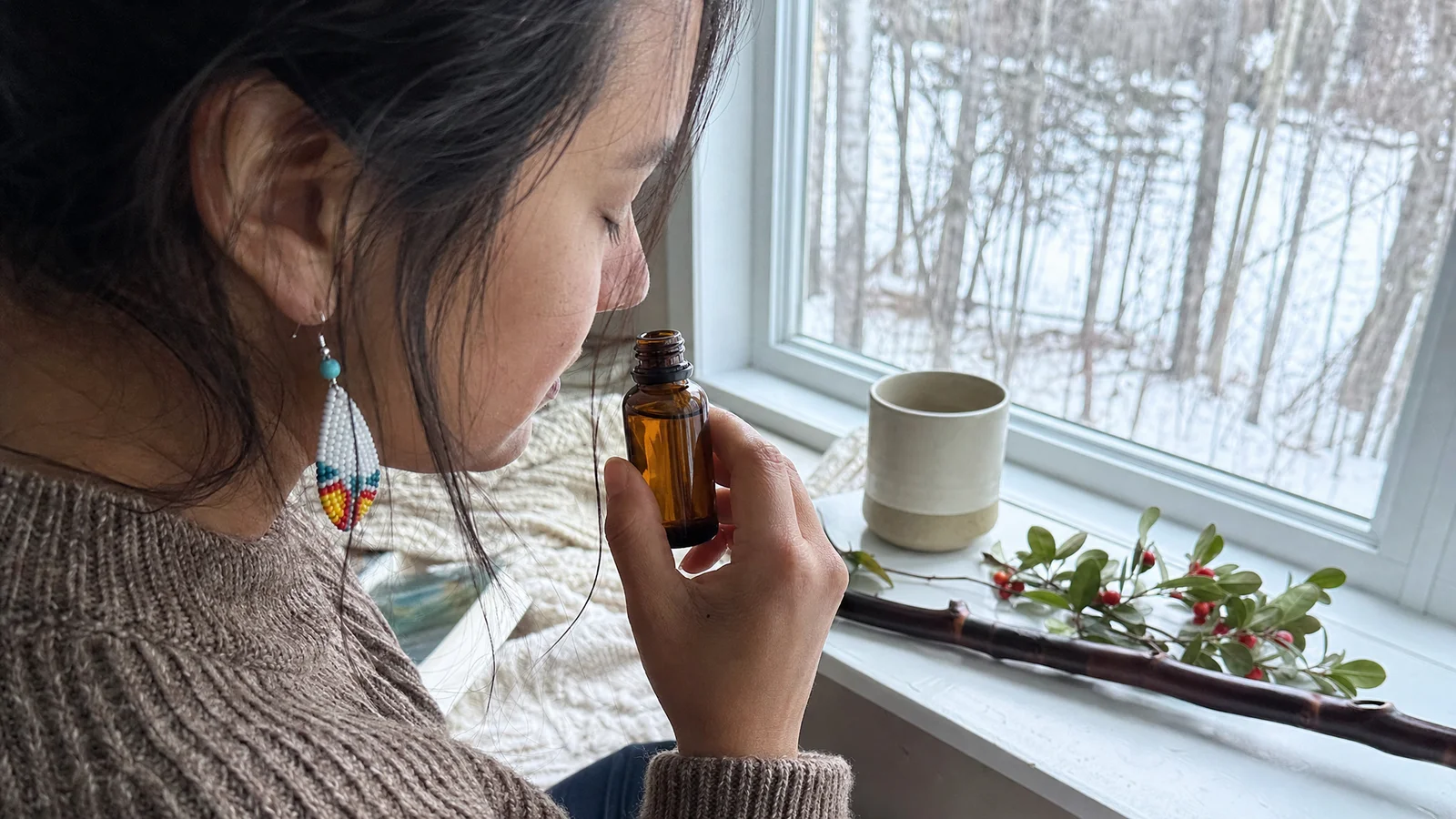
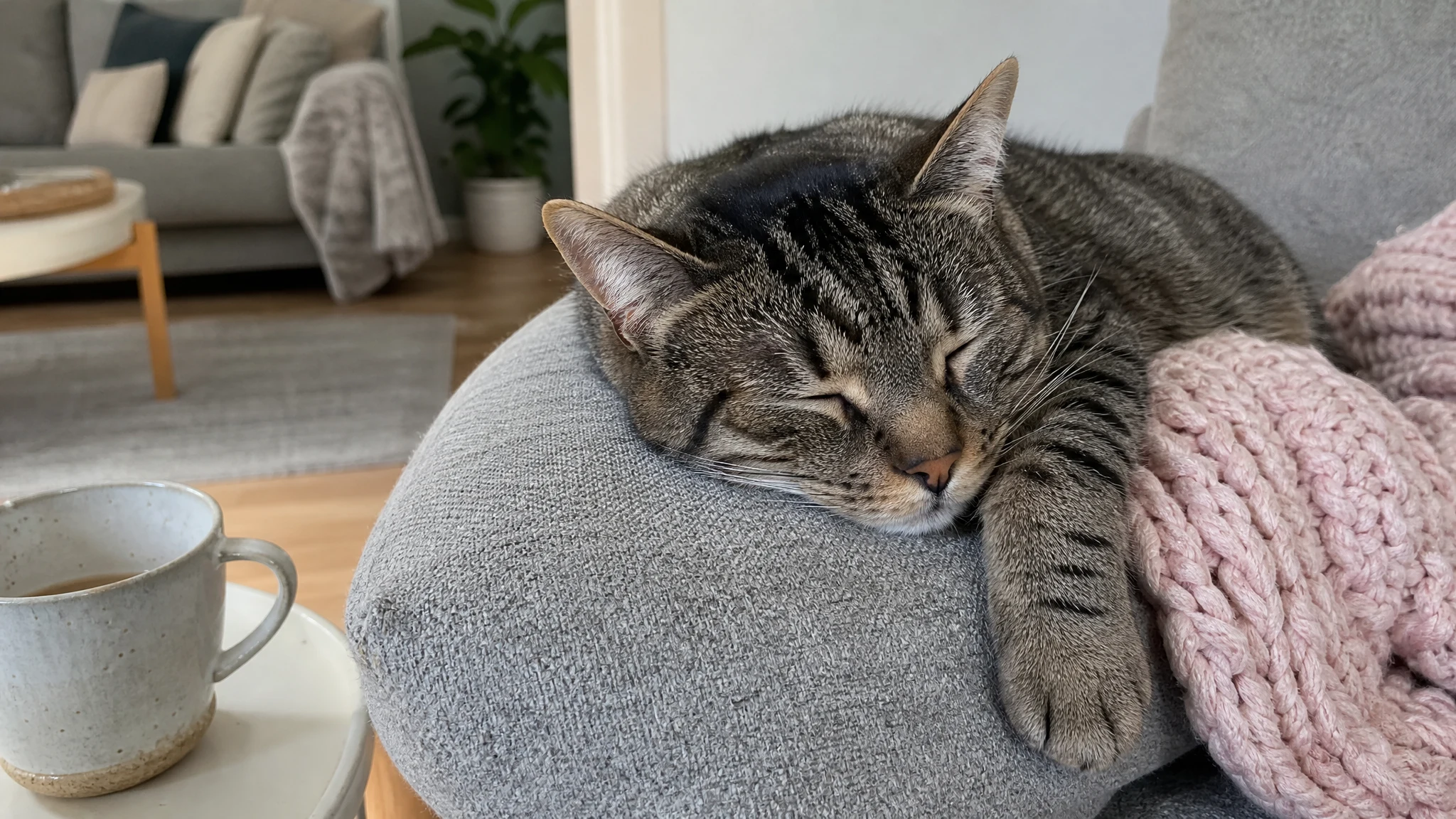
A cat on the bookshelf, a candle on the windowsill and a bottle of birch oil on the desk: that is an ordinary room, and it is the one we picture when someone asks about cats. Our answer is to keep the oil and the cat apart, and the reasons are specific to cats, not a general fuss about essential oils.
What the veterinary references say
The Merck Veterinary Manual states that exposure to wintergreen and birch oils can produce aspirin toxicosis, because both contain high levels of methyl salicylate. That fits what we know about our own oil. Sweet birch is dominated by methyl salicylate: in a survey of 21 authentic sweet birch oils it made up 93% to 99.8% of the oil (Dosoky et al., 2022). The same Merck page adds that cats are especially at risk from essential oils in general, and that birds are too.
None of this is a statement about a particular amount. The sources do not give a dose of birch oil that a cat can tolerate, and we will not invent one. That is why we simply plan the house so the question never comes up.
Why a cat is the hard case
Aspirin-type compounds leave a cat's body slowly. A review of feline drug metabolism lists the half-life of salicylic acid, the active product, at about 22 hours in cats, 4.5 hours in dogs and 2.3 hours in people, and notes that recommended aspirin doses for cats are two to four times lower, with longer gaps between them (Court, 2013). Our reasoning from that: with a slow exit, small exposures can pile on top of one another, which is exactly what happens when a cat walks through something, licks its paws and does it again tomorrow.
So the question for a cat household is less "did the bottle tip over?" and more "where does oil end up that a cat will later groom off?" Fur, paws and whiskers are a route to the mouth.
How oil finds a cat
- Spills and drips. A dried patch on a counter or a rug can be walked through and licked later.
- Active diffusers. Merck notes that ultrasonic and nebulizing diffusers emit microdroplets that can settle on fur or feathers and be swallowed during grooming, while passive diffusers do not do this in the same way.
- High places. Cats climb. A shelf that works for a dog may not work for a cat, so a closed cabinet is a better home for the bottle.
- Skin. If you wear a diluted birch blend, wash your hands before cuddling a cat, and keep the cat off oily fabric until it has been cleaned.
The ASPCA says a diffuser used briefly in a secured area pets cannot enter is unlikely to cause problems, advises against diffusers in homes with birds, and says oils should be stored up and out of paws' reach. Those pages do not single out birch, so keeping birch out of a shared room is our own cautious step beyond them.
A routine we would follow
- Keep the capped bottle in a closed cabinet or box that no animal can open. Our storage post covers the rest of the shelf routine.
- Do candle, soap and spray projects in a room with the door shut and the cat elsewhere, and wipe up every drop at once.
- Skip birch in diffusers in any room the cat uses. If you scent a room, use a space the cat cannot enter, and ventilate it before the cat returns. Our diffuser comparison explains how the types differ.
- Leave finished birch candles in closed rooms or on high shelves, not on a table or windowsill a cat can reach.
- Never put birch oil, neat or diluted, on a cat. Merck is explicit that concentrated essential oils should not be applied to animals.
If your cat is exposed
Call a veterinarian or the ASPCA Animal Poison Control Center at (888) 426-4435 right away, before signs appear, and take the bottle with you. Merck advises that vomiting should not be induced because of the risk of aspiration, and says decontamination, by bathing or fresh air, is for the treating team to direct. The ASPCA lists unsteadiness, depression, low body temperature, vomiting and diarrhea among the possible signs.
We sell an external aroma and cosmetic oil, not a remedy of any kind, and a cat's health questions belong with a veterinarian. Our dog guide covers the same ground for dogs, and the first-aid post covers people.
Birch is a lovely oil for a candle or a crafted blend, and a little planning lets a cat and a cabin-scented house share the same address without ever meeting the bottle.
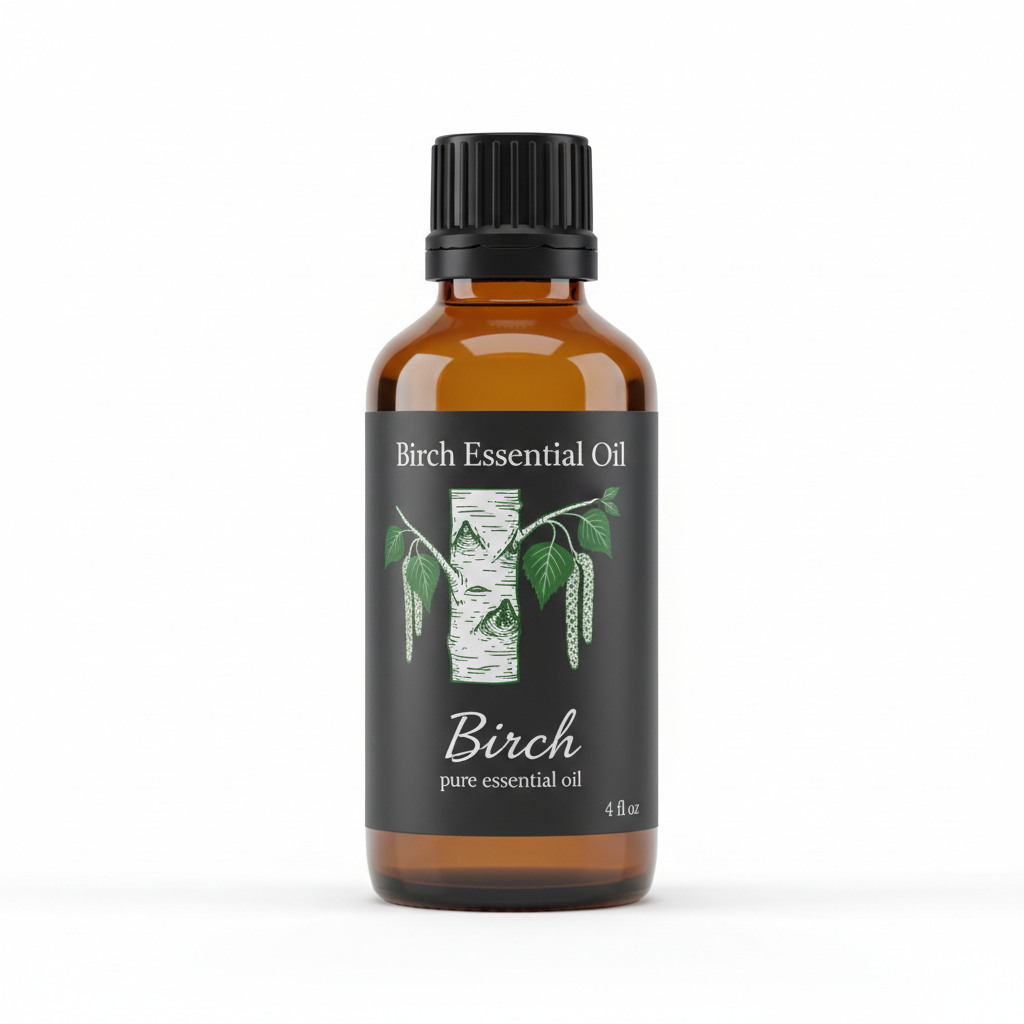
Birch Essential Oil
Birch Essential Oil from our own shop, in sizes from 1 oz to bulk.
From $17.99
Shop Now →Sources & Further Reading
- Toxicoses From Essential Oils in Animals, Merck Veterinary Manual
- Feline drug metabolism and disposition: pharmacokinetic evidence for species differences and molecular mechanisms, Court MH, Vet Clin North Am Small Anim Pract, 2013
- The Essentials of Essential Oils Around Pets, ASPCA
- Authentication and Market Survey of Sweet Birch (Betula lenta L.) Essential Oil, Dosoky, Poudel and Satyal, Plants, 2022